

Blog
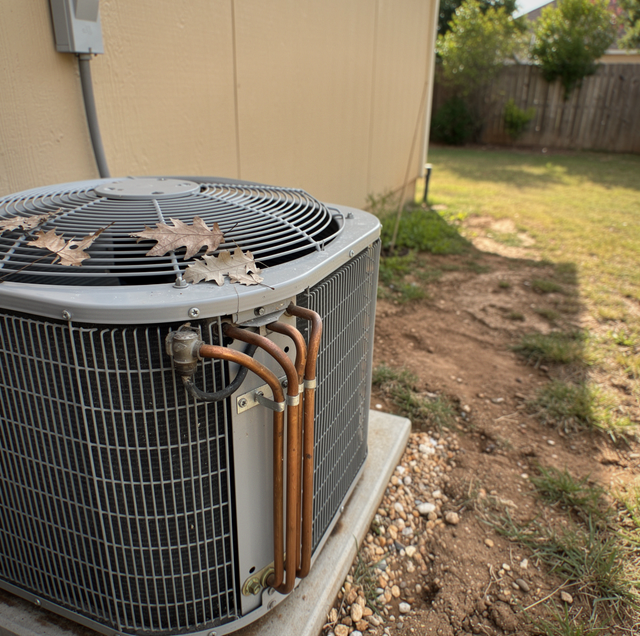
AC Compressor Repair vs. Replacement: How to Decide
Is it worth repairing your AC compressor, or should the whole system come out? That's the question that sends homeowners straight to a search bar the moment a technician mentions the word "compressor" during a service call.
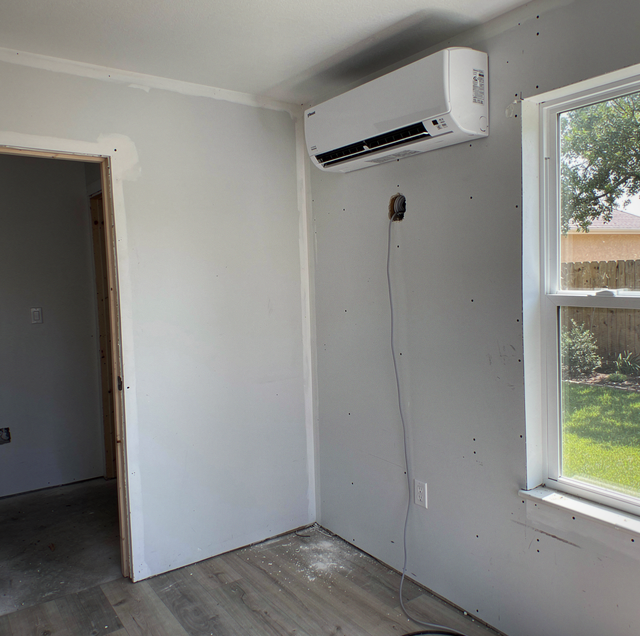
Ductless Mini-Split vs. Central AC for an Addition or Conversion
The framing is up, or the garage door opening is already closed in, and the question that used to feel abstract during planning is suddenly urgent: how does this new square footage actually get heated and cooled?
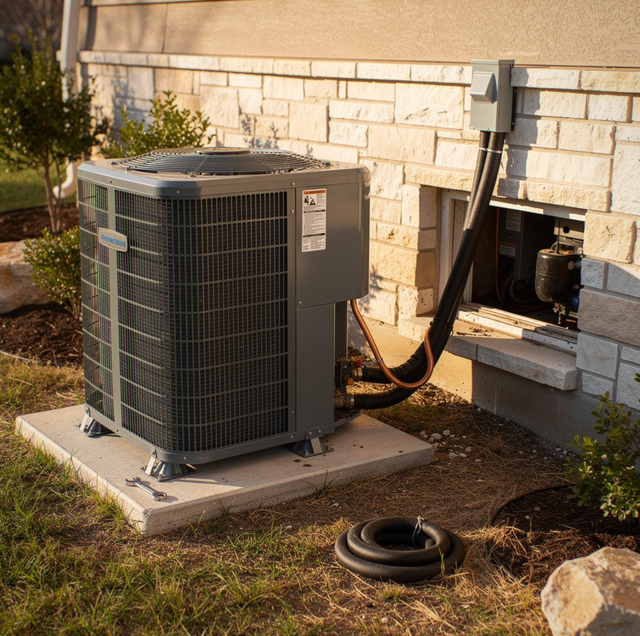
SEER2 Rating for a New AC: What the Label Isn’t Telling You
A spec sheet showing "AC15.2" next to another showing "AC14" looks like a simple comparison, but SEER2 is a different test standard than the SEER rating that used to appear on the same class of equipment, and the number alone doesn't say which system will perform better once installed.

Refrigerant Leak in Your AC? When Recharging Stops Working
Your air conditioner is blowing lukewarm air again. The last time this happened, a technician added refrigerant, and it ran fine for months.

Heat Pump vs. Straight-Cool AC: Which Fits a Climate With Mild Winters?
You're standing at the thermostat in early fall, and the cooling season has finally loosened its grip.
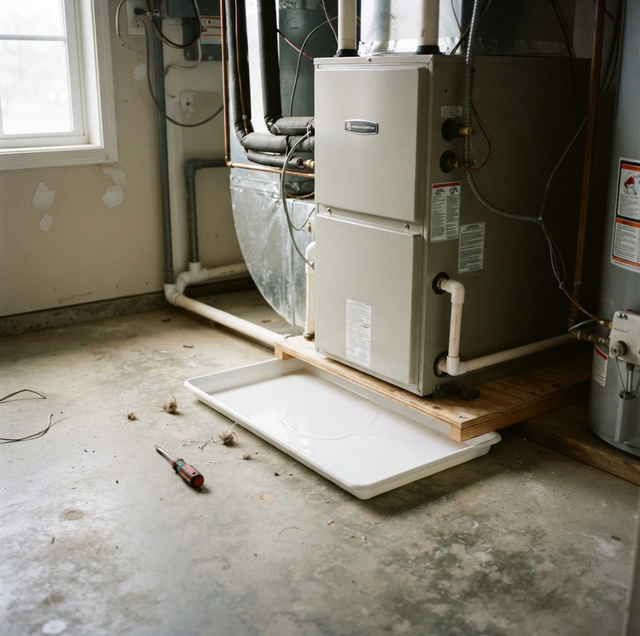
Clogged AC Condensate Drain Line: 5 Warning Signs
Your air conditioner does two jobs at once. It cools the air, and it pulls moisture out of it. That second job is why a small pipe runs out the side of your house, and it is also why that pipe eventually becomes the most common reason a working AC suddenly floods the floor or shuts itself off.
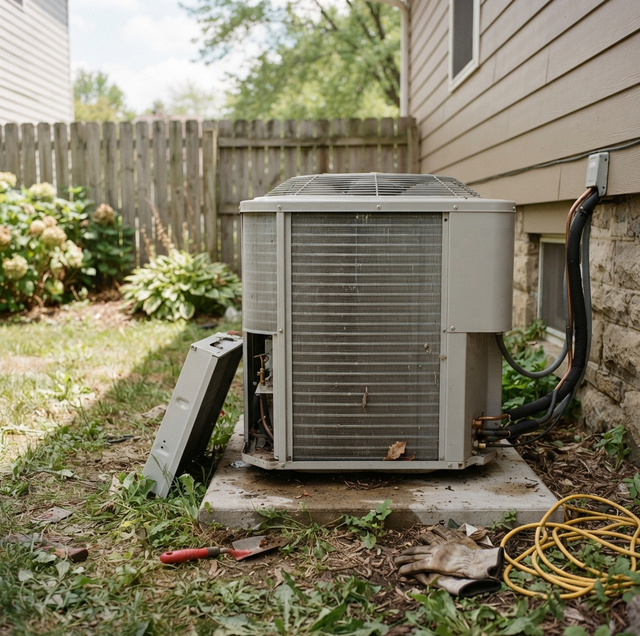
What an HVAC Tune-Up Includes: The Full Checklist
A professional HVAC tune-up is a scheduled inspection-and-service visit that keeps your heating and cooling system running efficiently, reliably, and safely.
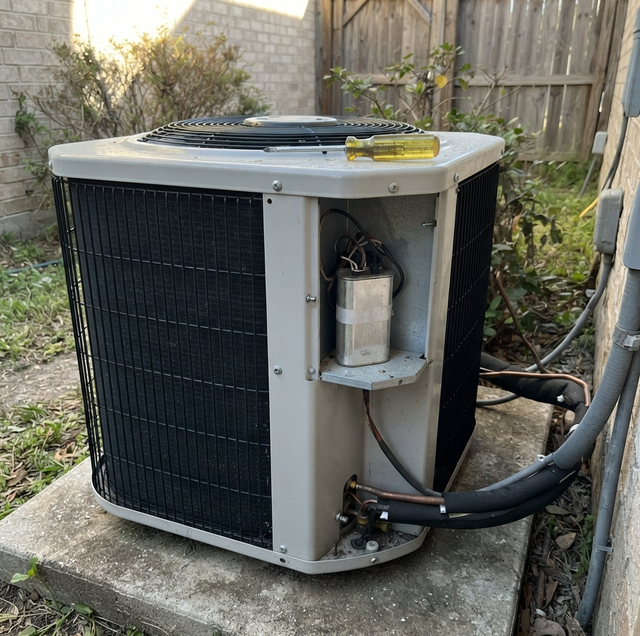
Signs Your AC Capacitor Is Failing: 8 Red Flags
You set the thermostat, wait for that familiar whoosh of cold air, and instead the house stays warm. Walk out to the outdoor unit, and you might hear a low hum with nothing turning, or find the fan sitting dead still while everything else seems powered up.
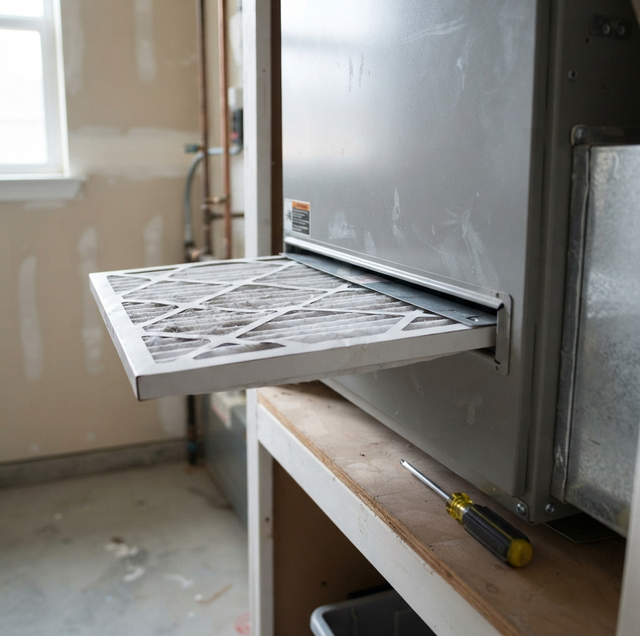
How Often to Change Your HVAC Air Filter: 5 Signs
Most people assume the air filter is there to clean the air they breathe.
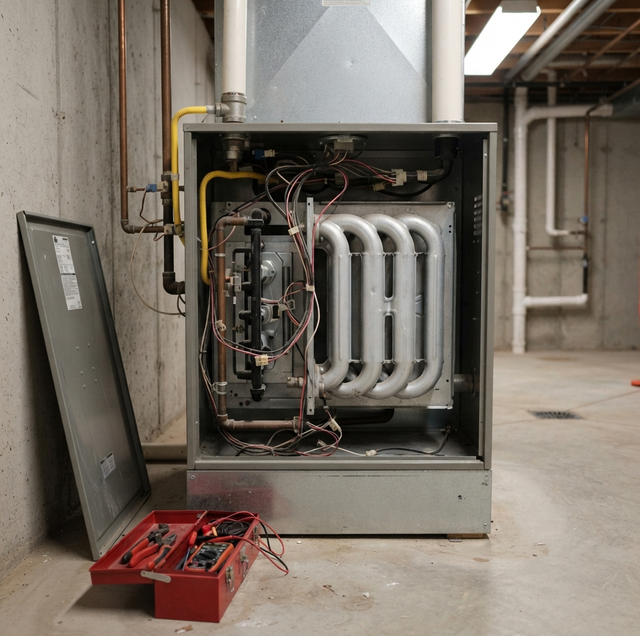
Cracked Heat Exchanger: The Hidden Furnace Danger
Your gas furnace does two jobs at once, and it has to keep them completely apart.
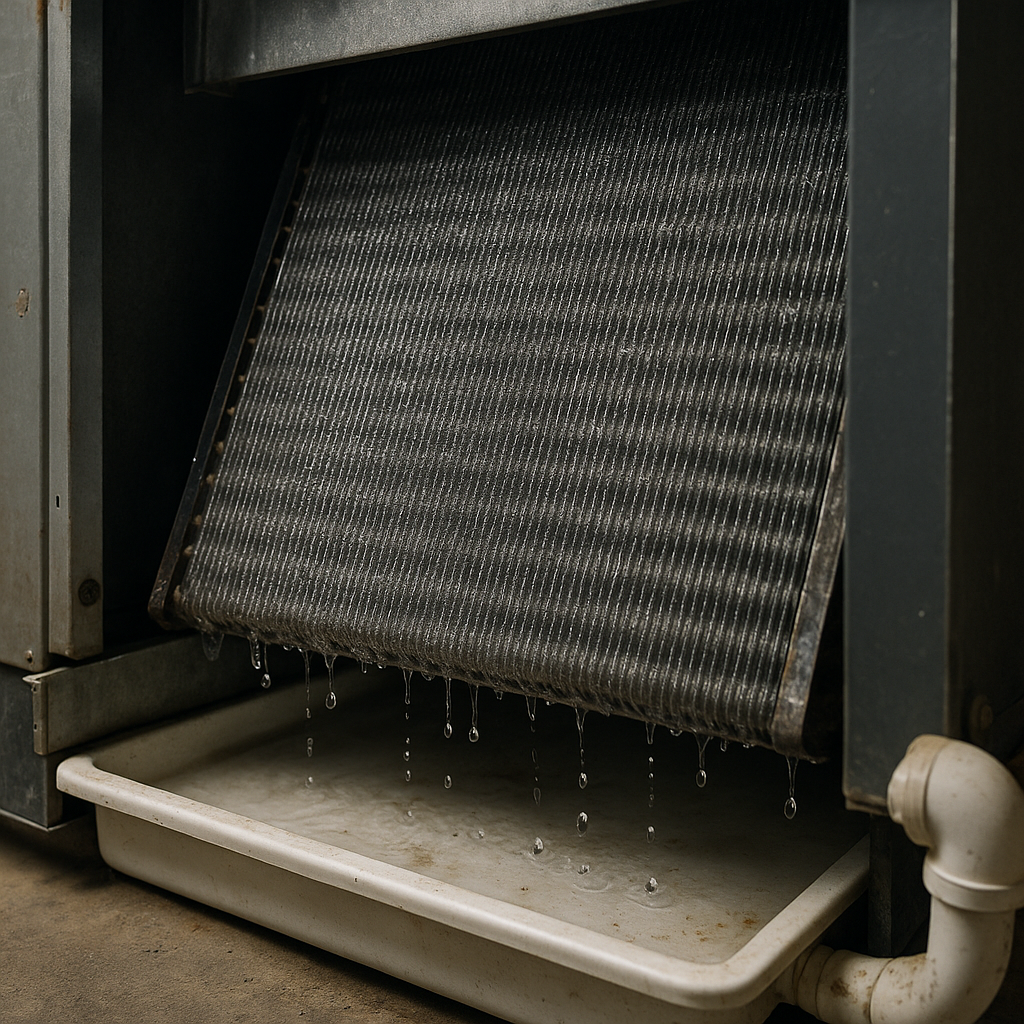
Why Your House Feels Cool but Clammy With the AC On
The thermostat reads a comfortable number, the vents blow cold, and yet the air still feels heavy and sticky against your skin. Wood floors feel tacky, mirrors fog, and the house has that damp basement quality even in a bedroom on the second floor. If that sounds familiar, your air conditioner is doing half of its job and skipping the other half.
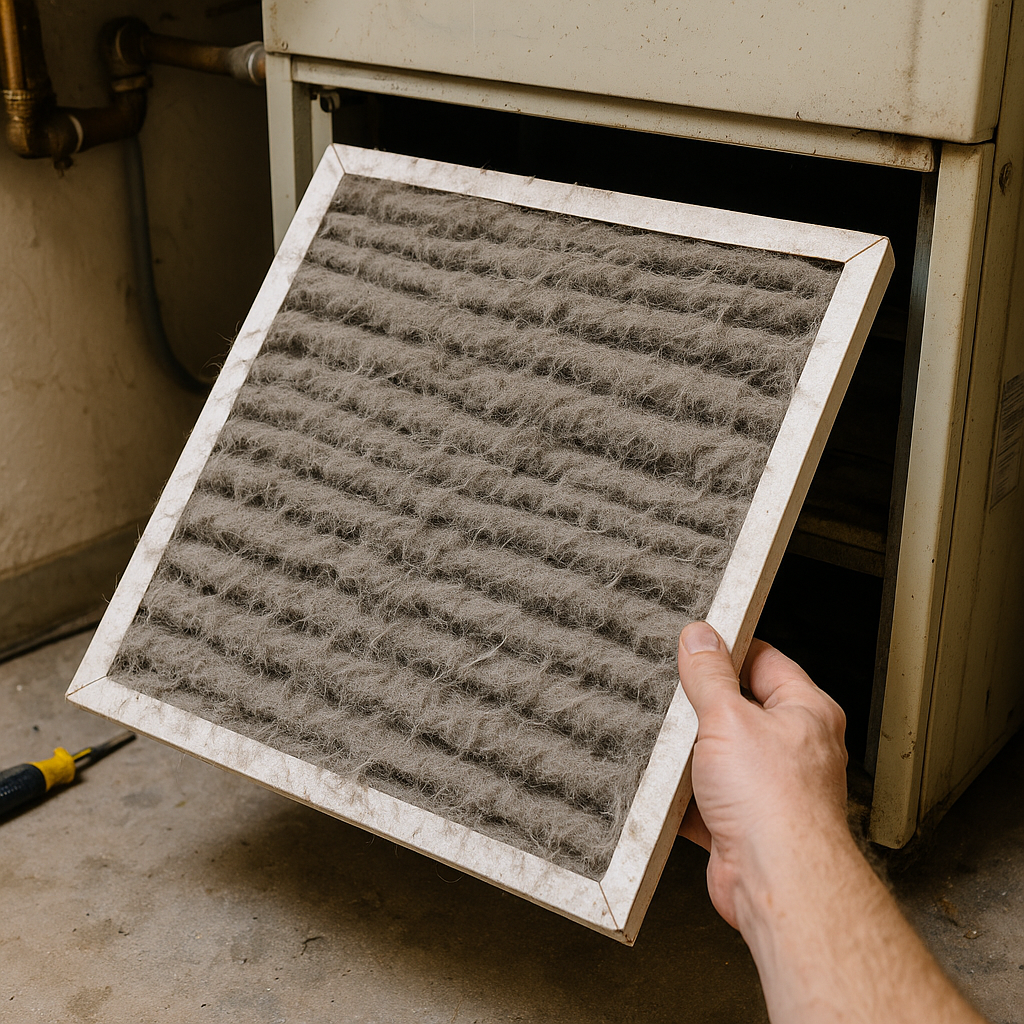
Why Is Ice Forming on Your AC Coil? 6 Real Causes
You walk past the indoor unit and notice the big copper line is wearing a sleeve of frost, or you pull the panel and the coil looks like the back of a freezer that badly needs defrosting. Meanwhile, the air at the vents has gone weak and lukewarm, and the house is not cooling. It feels backward for an air conditioner to freeze, but ice is one of the most common ways a cooling system tells you something upstream has gone wrong. Once you understand why the coil gets cold in the first place, the fix usually points to itself.
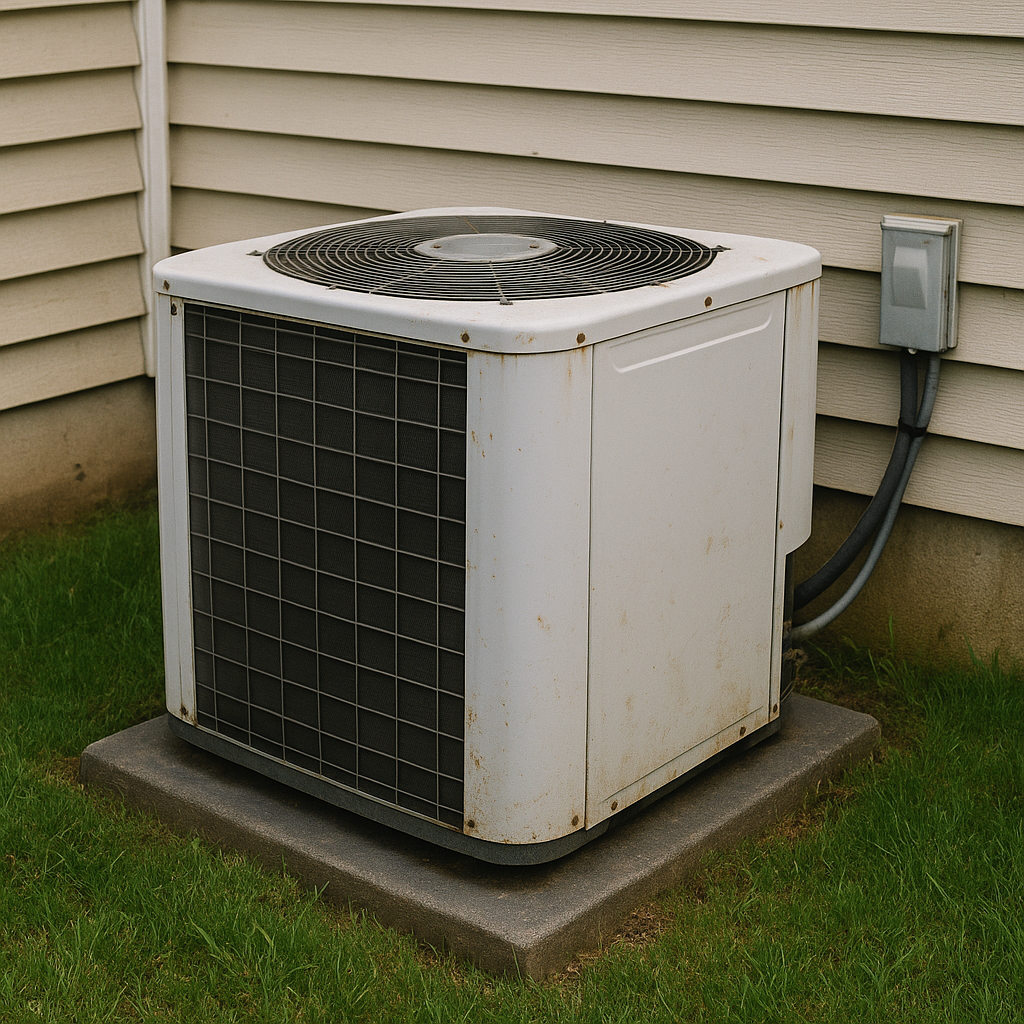
Is Your AC Oversized? The Cold-But-Clammy Warning Sign
There is a stubborn idea in cooling that a bigger unit is a better unit, that more tons means more comfort. With air conditioning, the opposite is often true. A system that is too large for the house it serves can leave you cold and damp, paying more to run it, all while the equipment wears out faster than it should. If your home never quite feels right, no matter where you set the thermostat, the size of the box outside may be the reason.
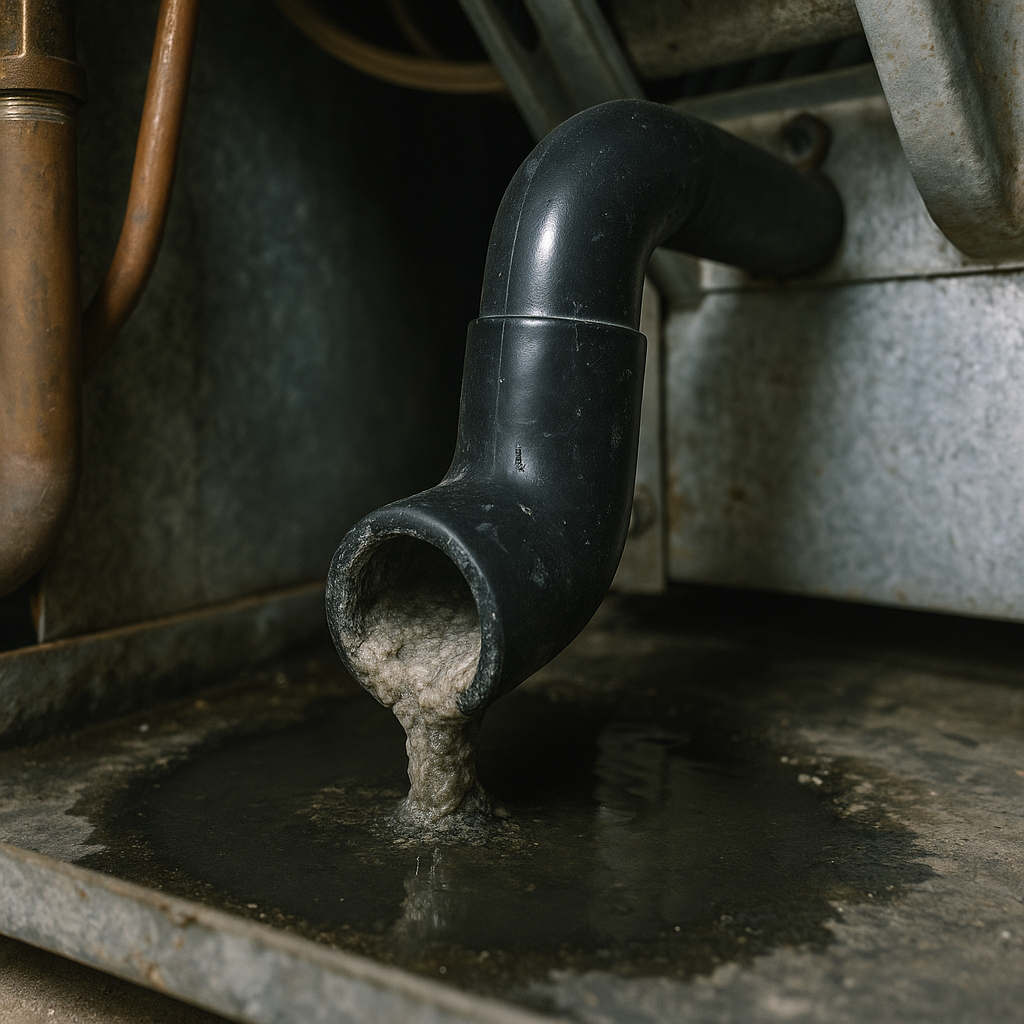
Burning or Musty Smell From Your Vents? What It Means
The air kicks on, and something rides in with it. Maybe it is a damp, sock-drawer mustiness that settles over the living room. Maybe it is a sharper, hot-plastic edge that makes you look up at the vent and wonder if something is wrong. Your nose is not imagining it, and it is worth paying attention to because the smell coming from your vents is one of the most reliable early warnings a cooling system gives.
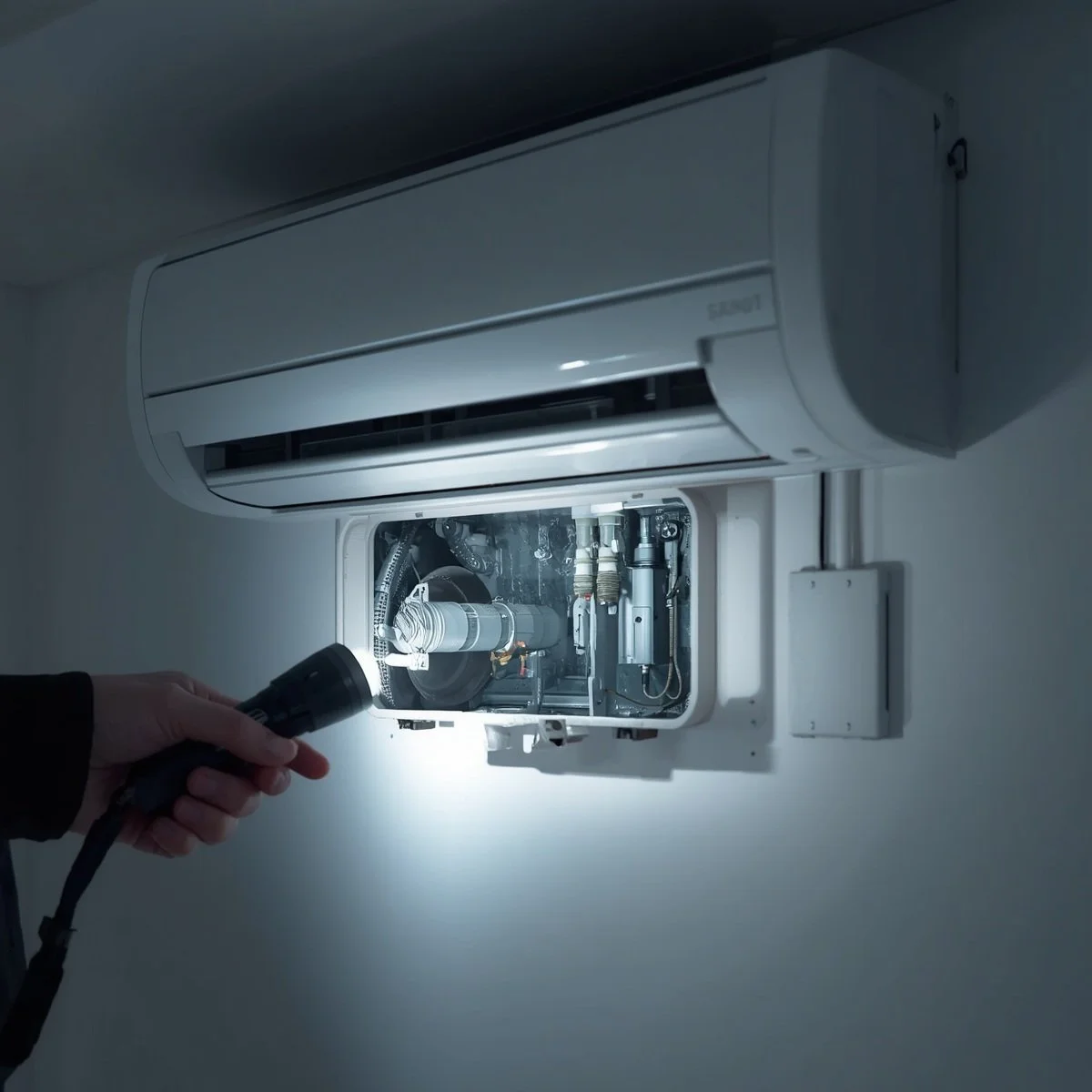
Water Pooling Around Your Indoor AC Unit? What’s Wrong
Finding a puddle of water around your indoor air conditioning unit is a common but unwelcome surprise. The good news is that AC systems produce water as a normal part of cooling — so the issue isn't usually that there's water, but that the system isn't getting rid of it properly. Understanding where that water is supposed to go, and why it's not, points you to the cause.
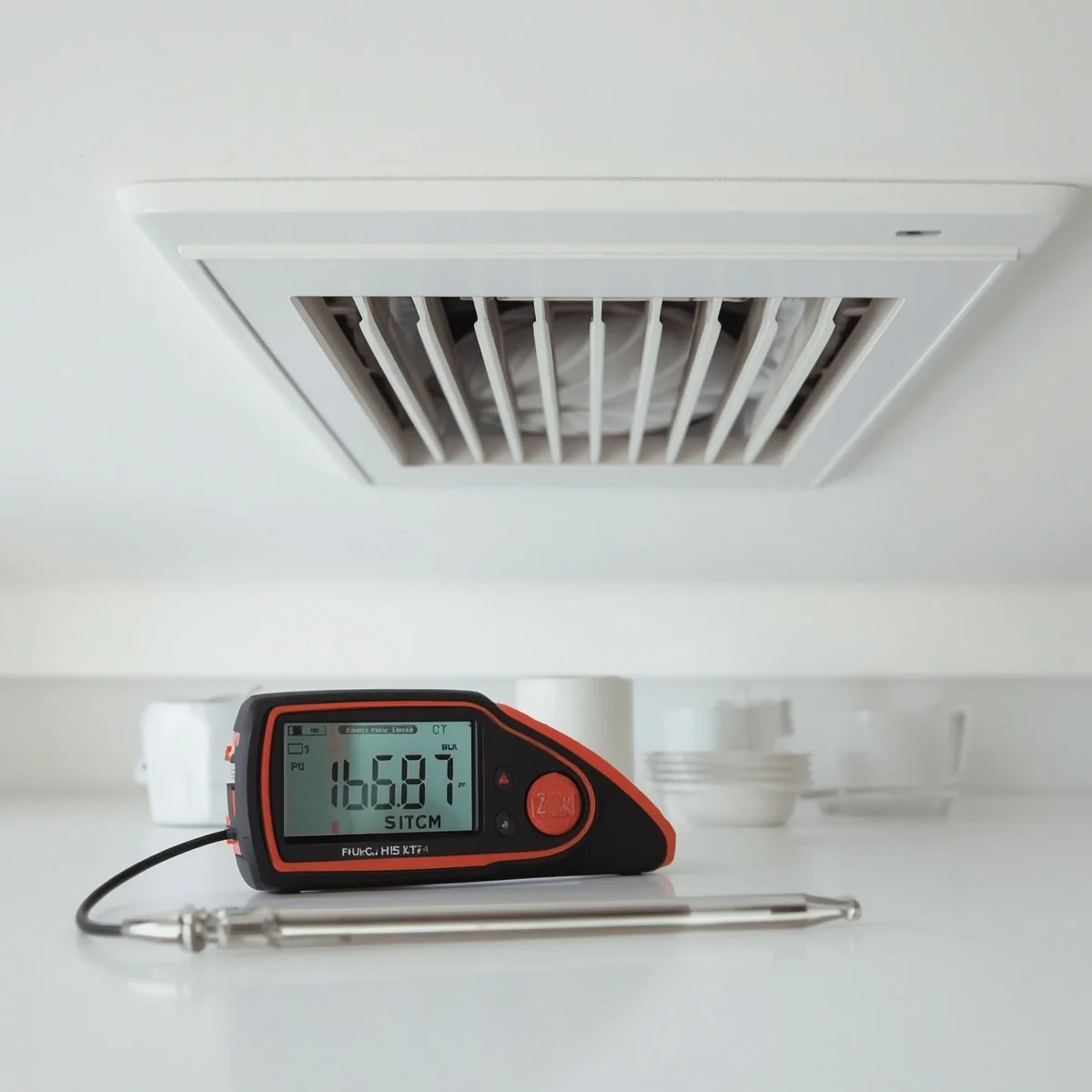
One Room Always Hotter Than the Rest? What’s Going On
The thermostat reads a comfortable 74; the living room feels great. Then you walk into the back bedroom, and it's like stepping into a different house. One room that stays hot while everywhere else is fine is one of the most common comfort complaints there is — and it's rarely the air conditioner's fault. The cool air is being made; it's just not getting to that room, or not staying there. Here's how to figure out which.
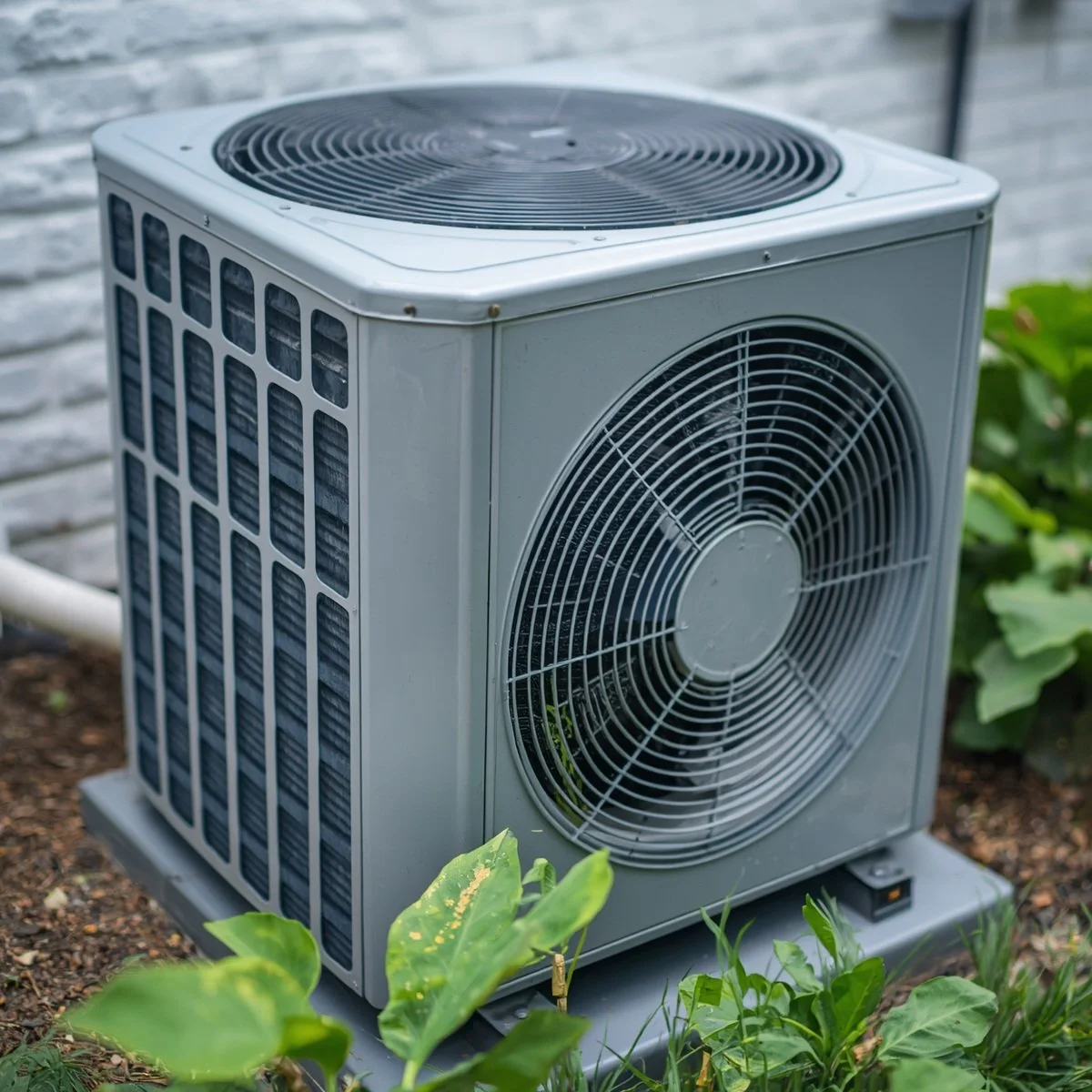
AC Running but Not Cooling? What It’s Really Telling You
It's a miserable feeling on a Texas summer afternoon: the unit is humming, you can hear it working, but the house just won't cool down, and the thermostat won't budge. An AC that runs without cooling is telling you it can't move heat out of the house the way it should — and there are a handful of common reasons why. Some you can check yourself in a few minutes; others need a pro. Here's how to read what's happening.
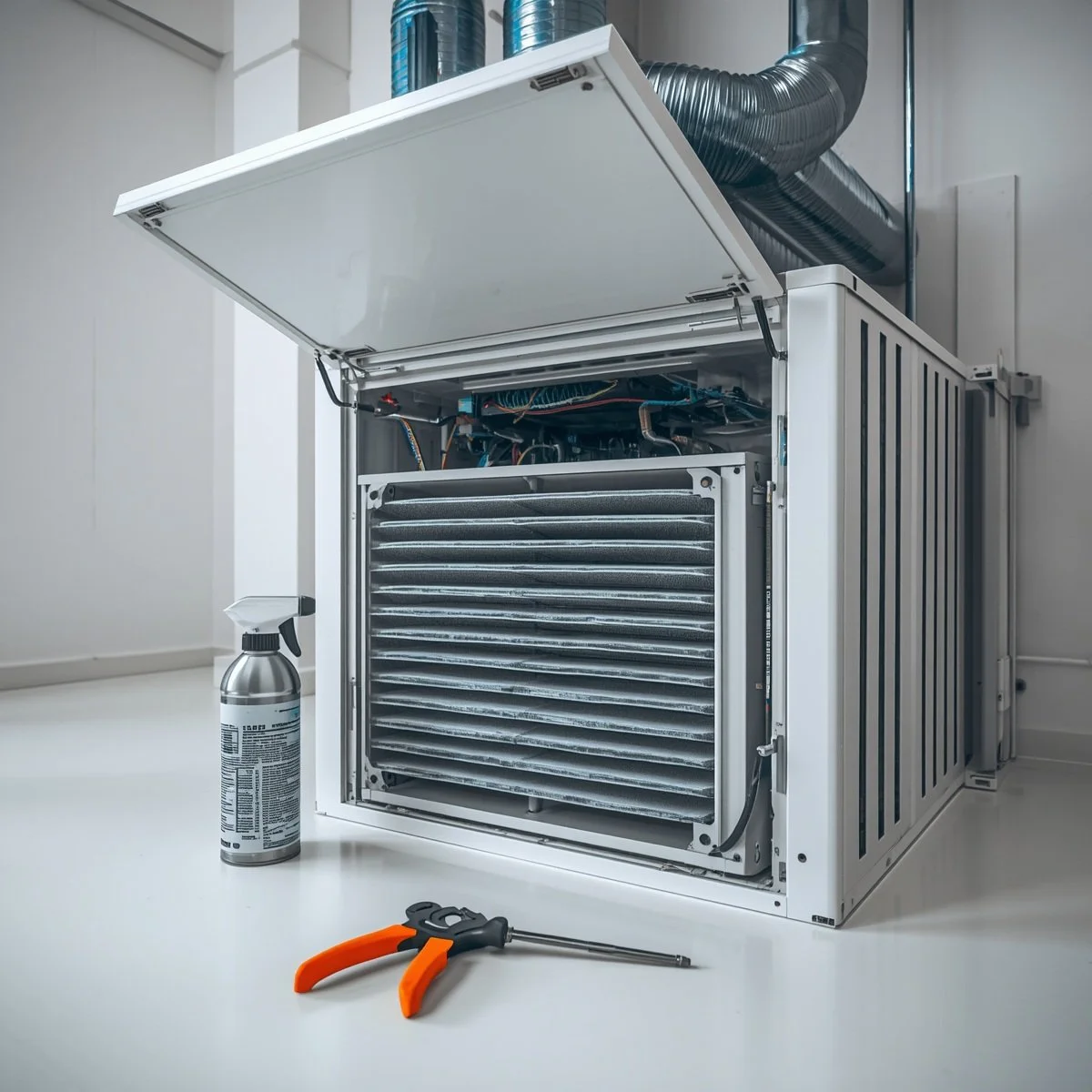
What Makes an AC Short-Cycle (Turn On and Off Repeatedly)?
An air conditioner that clicks on, runs briefly, shuts off, and starts again a few minutes later is short-cycling — and it's doing real harm while it does it. The rapid on-off pattern wears out the system and never properly cools your home. Finding what's triggering it matters because the causes range from a quick fix to a serious problem.
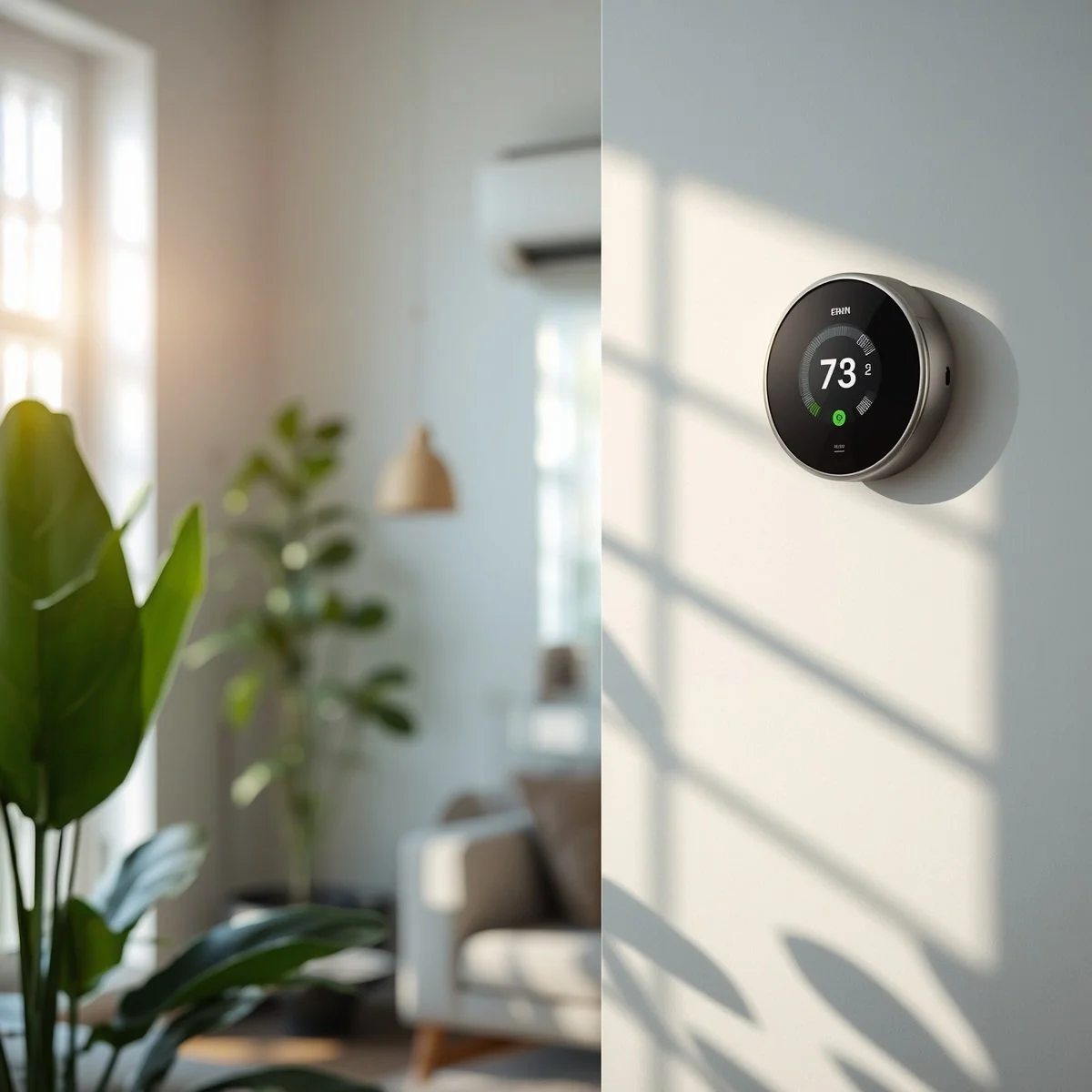
Is It Bad If Your AC Runs All Day in Summer?
During a brutal summer, it's common to notice the air conditioner seemingly never shuts off, which naturally raises the question: Is that bad? The answer is nuanced. Constant running can be perfectly normal in extreme heat, but it can also signal a problem — and the key is whether the system is actually keeping up. Here's how to tell the difference.
Breathing New Life into Cooling Systems
By understanding how your AC condenser works and recognizing when it needs attention, you can extend its lifespan and avoid unnecessary breakdowns.