
What an HVAC Tune-Up Includes: The Full Checklist
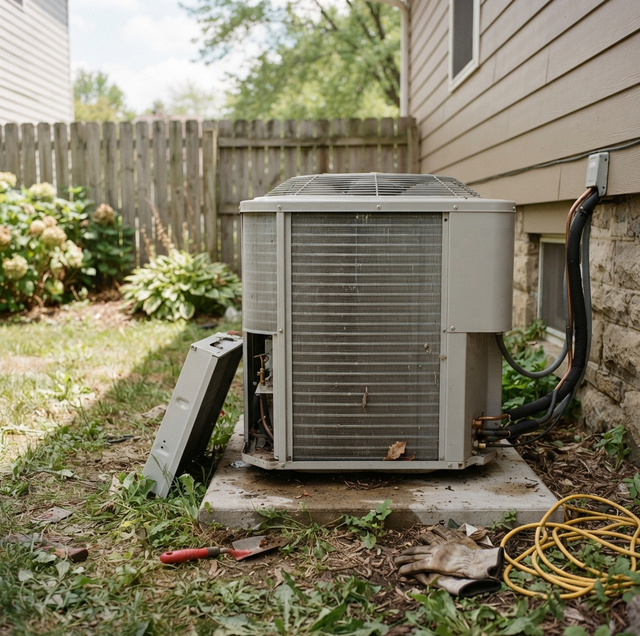
Quick Answer: A tune-up is a maintenance visit where a technician inspects, tests, cleans, and adjusts your HVAC system. It typically covers the filter, coils, refrigerant charge, condensate drain, thermostat, electrical connections, motors, and airflow, plus combustion and carbon monoxide safety on a gas furnace. Most systems benefit from service once or twice a year.
A professional HVAC tune-up is a scheduled inspection-and-service visit that keeps your heating and cooling system running efficiently, reliably, and safely. A technician measures how the equipment is actually performing, cleans the parts that reduce the system's capacity, and catches small problems while they are still small. The goal is not to sell you a repair on the spot. It is to keep a working system working, and to spot the weak capacitor, the scaled coil, or the loose wire before any of them turns into a no-cool call on the hottest day or a no-heat morning in January.
What a Tune-Up Actually Is
Think of a tune-up as a physical for your system rather than a repair. Repairs fix something that already broke. A tune-up finds what is drifting out of spec, restores it, and documents the condition of the equipment so nothing quietly degrades between visits.
Two things happen on a good tune-up. First, the technician measures live performance: temperatures, pressures, electrical draw, and airflow. Numbers reveal problems your senses cannot, because a system can feel fine at the register while a coil quietly loses a third of its heat-transfer capacity. Second, the technician does the hands-on cleaning and tightening that slows wear, the work that keeps efficiency from bleeding away one season at a time.
Why Maintenance Matters Before You See the Checklist
An air conditioner or heat pump is a set of moving parts, electrical contacts, and heat-exchange surfaces that all degrade with runtime. Dust builds on coils, contacts pit and burn, capacitors weaken, refrigerant charge drifts if there is a slow leak, and drain lines collect a slime of dust and biological growth. None of these announce themselves early. The system keeps running, just harder and less efficiently, until a hot afternoon or a cold snap pushes a marginal part past its limit.
Maintenance matters because it addresses that slow decline directly, and because a comfort system is also a safety system. On a gas furnace, the same visit that keeps you comfortable also confirms the equipment is not producing carbon monoxide or venting combustion gases into the house. That is not an efficiency question. It is a life-safety one.
The Typical Tune-Up Checklist
A thorough visit follows a repeatable sequence. The exact items vary by equipment type, but a complete cooling-and-heating tune-up covers the following.
Air Filter, Coils, and Drainage: Inspect and change or clean the air filter. A clogged filter starves the system of airflow, which raises energy use and can freeze the indoor coil. The technician replaces or cleans it and notes the correct size.
Check and clean the condenser and evaporator coils: The outdoor condenser coil rejects heat, and the indoor evaporator coil absorbs it. When either fouls with dust, pollen, or grass clippings, heat transfer drops and the compressor works harder. Cleaning restores capacity.
Clear the condensate drain line: As the indoor coil pulls moisture from the air, that water drains away through a line that clogs with dust and algae. The technician clears the line and checks the pan and safety float switch so an overflow does not damage a ceiling or floor.
Refrigerant, Airflow, and Moving Parts: Check refrigerant charge and pressures: Using gauges and temperature readings, the technician confirms the charge is correct. Low charge usually means a leak, not normal loss, and it forces the compressor to run hot. Refrigerant work is EPA-certified HVAC work, not a homeowner task.
Check the blower and airflow: Correct airflow across the coil is what actually delivers comfort and protects the compressor. The technician verifies the blower wheel is clean, and airflow is within range.
Lubricate moving parts and inspect the belt: Older units with serviceable bearings are lubricated, and any drive belt is checked for cracks, glazing, and proper tension. A worn belt is cheap to replace and expensive to ignore.
Electrical, Controls, and Safety: Inspect and tighten electrical connections: Vibration and heat loosen terminals over time, and a loose connection arcs, overheats, and can fail the part it feeds. Tightening them is quiet, unglamorous work that prevents a surprising share of breakdowns. Electrical work at the unit is a shock hazard and belongs to a technician.
Test the capacitor, contactor, and motors. The technician measures capacitor value against its rating, checks the contactor for pitting, and reads the current draw of the fan and compressor motors to catch a part that is weakening before it quits.
Test the thermostat and calibration. The thermostat is checked for accurate temperature readings and correct staging so the system cycles as it should.
On a gas furnace, inspect the burners, heat exchanger, and flue, and test combustion safety: The technician inspects the burners and the heat exchanger for cracks, checks the flue for proper draft, and tests for carbon monoxide. A cracked heat exchanger can leak CO into your air, which is why this is safety-critical professional work. Keep working CO alarms regardless.
Verify safety controls: Limit switches, flame sensors, pressure switches, and float switches all exist to shut the system down safely. The technician confirms each one responds.
Why a Tune-Up Matters: The Payoff
The checklist earns its keep in five ways.
Lower energy bills: A dirty coil, low charge, or restricted airflow makes the system run longer to reach the same temperature. Clean, correctly charged equipment moves the same heat with less runtime, and the operating-cost difference shows up month after month.
Longer equipment life: Compressors and motors fail from stress: running hot, running long, and running against dirty coils. Removing those stresses is the single biggest lever on how many years the equipment lasts.
Fewer breakdowns: Most no-cool and no-heat calls trace back to a part that was measurably weak weeks earlier: a weak capacitor, a pitted contactor, a clogged drain. Catching them on a calm day is far better than on the worst day of the season.
Maintained warranty: Many manufacturers require a record of annual maintenance to keep the parts warranty valid. A missed maintenance record can become the reason a claim is denied, so the paperwork from each visit matters.
Safety: The combustion and CO checks on a gas furnace, and the electrical checks across the system, exist to protect the people in the house, not just the equipment.
How Often to Schedule One
Most systems benefit from service once or twice a year. A single annual visit is the minimum for any system. A twice-a-year rhythm, one visit for the cooling side and one for the heating side, is the fuller approach, because a heat pump and a furnace stress different components and each season's inspection targets what that mode wears hardest.
This is where a tune-up shows its year-round value. The cooling visit measures refrigerant performance and cleans the coils that carry the summer load, while the heating visit focuses on burners, the heat exchanger, and combustion safety that only matter once the furnace fires. One system, two jobs, and the maintenance serves both.
On a gas furnace, a cracked heat exchanger can leak carbon monoxide into your air, and the electrical side of the system carries a shock hazard, which is why combustion, refrigerant, and electrical work belong to a licensed technician. Do not open the electrical panel, add refrigerant, or work on the furnace's combustion side. If you smell burning from the vents or a CO alarm sounds, shut the system down and call a professional; and if the alarm is active and anyone feels sick, get outside and call 911.
What You Can Do Between Visits
A professional handles the refrigerant, gas, and electrical work, but two homeowner-safe habits protect the system between visits and are the most valuable things you can do yourself.
Change the filter on schedule: A fresh filter is the cheapest protection there is. Check it monthly during heavy-use stretches and change it before it clogs. This one habit prevents a large share of airflow and coil-freeze problems.
Keep the outdoor unit clear: Pull weeds, trim back shrubs, and rinse grass clippings and pollen off the condenser so it can breathe. Give it a foot or two of clearance on all sides. A unit choked by vegetation cannot reject heat efficiently.
Frequently Asked Questions
A single-system cooling or heating tune-up commonly runs 45 to 90 minutes, depending on how dirty the coils are and whether the technician finds anything that needs closer inspection. A dual-fuel or multi-system home, or a first visit to equipment with no service history, takes longer because the technician is establishing baseline readings from scratch rather than comparing against a prior record.
No. A diagnostic is called when something is already wrong, and the technician is hunting for the cause. A repair replaces the failed part. A tune-up is preventive: it happens on a healthy system to keep it healthy. A tune-up can uncover a needed repair, but the visit itself is maintenance, and a good one still delivers value even when nothing is broken.
Yes, and skipping them can cost you. New equipment fouls its coils, loosens its electrical connections, and clogs its drain line on the same timeline as older equipment. More important, many manufacturers make annual maintenance a condition of the parts warranty, so a brand-new system with no maintenance record can lose warranty coverage on an expensive component.
It can flag it, but low refrigerant is a symptom, not a service item. Refrigerant does not get "used up" in a sealed system, so a low charge nearly always means a leak somewhere in the coil or line set. A technician finding low pressures will recommend a leak search rather than simply topping it off, because adding refrigerant to a leaking system only delays the same failure.
The indoor evaporator coil usually sits inside the sealed air handler behind the access panel and is easy to bend or damage, and reaching it can expose live electrical parts. Rinsing the outdoor condenser gently with a garden hose is homeowner-safe, but the indoor coil, the electrical compartment, and anything involving refrigerant should be left to a technician with the right tools and training.
The system rarely fails overnight. Instead, efficiency erodes so gradually you stop noticing, bills creep up, and small faults stack unaddressed until one hot or cold day pushes a marginal part over the edge. On a gas furnace, a skipped inspection also means a cracked heat exchanger or venting problem can go undetected, which is the scenario where a missed tune-up stops being about money and becomes about carbon monoxide safety.
Book your seasonal tune-up before the next temperature swing — a short visit now prevents the breakdown later and keeps your system efficient and safe. Above & Beyond HVAC serves San Antonio and the Hill Country. TACLA00095687E. Call (210) 897-8658.
