
One Room Always Hotter Than the Rest? What’s Going On
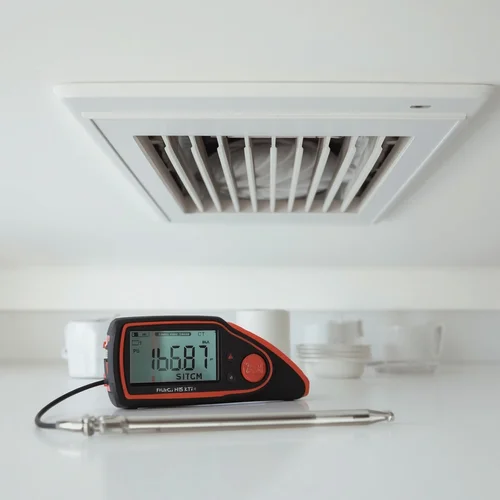
Quick Answer: One stubborn hot room almost always comes down to airflow, not a broken AC. The usual causes are leaky or undersized ducts losing cool air in a hot attic, a closed door with no return-air path, or a heavy sun load from west-facing windows. Closing other rooms' vents to "force" air to the hot one usually backfires. The fixes range from sealing ducts and adding a return to zoning or a ductless mini-split for a room that just won't cooperate.
The thermostat reads a comfortable 74; the living room feels great. Then you walk into the back bedroom, and it's like stepping into a different house. One room that stays hot while everywhere else is fine is one of the most common comfort complaints there is — and it's rarely the air conditioner's fault. The cool air is being made; it's just not getting to that room, or not staying there. Here's how to figure out which.
It's an Airflow Problem, Not a Cooling Problem
Your AC cools air at one central spot and relies on ductwork to carry it everywhere evenly. When one room lags, the chain from the air handler to that room has a weak link. The Department of Energy notes that duct losses can account for more than 30% of a system's energy use when ducts run through an unconditioned space, such as an attic, and ENERGY STAR estimates that 20 to 30% of the air moving through a typical duct system is lost to leaks and poor connections. A far-off room at the end of a long, leaky run simply gets shortchanged.
That's the mechanism behind most hot rooms: cool air is escaping or never arriving in the volume that the room needs. Once you see it that way, the causes sort themselves into a short list.
Match the Symptom to the Cause
| What you notice | Likely cause | The fix |
|---|---|---|
| Far room, weak airflow at the vent | Leaky or undersized ducts in the attic | Seal and insulate the ducts |
| Hot only with the door closed | No return-air path; room pressurizes | Add a return, transfer grille, or door undercut |
| Hot afternoons, big windows | West sun and solar gain | Shading, window film, insulation |
| Upstairs always warmer | Heat rises (stack effect) | Zoning or a dedicated unit |
| Room over the garage or an addition | Poor insulation, ductwork never sized for it | Insulation, zoning, or a mini-split |
The Duct and Return-Air Story
Two invisible culprits cause most of the trouble. The first is leaky ductwork in the attic. Ducts that have come loose at a joint or were never sealed dump expensive, cooled air into a 130- to 150-degree attic before it ever reaches the far bedroom. Sealing those joints with mastic or metal tape — never cloth duct tape, which dries out and fails — and insulating the runs keeps the cool air in the pipe where it belongs.
The second is the one almost nobody thinks of: return air. Air can only flow into a room if the same amount can flow out. When a bedroom door is shut, and there's no return duct or path, the room pressurizes slightly as supply air pushes in, and that back pressure chokes off the very airflow you want. The fix is giving the air a way back — a return vent, a transfer grille, or even a generous gap under the door. It's a small change that often solves a hot room on its own.
Don't Close the Other Vents
When one room runs hot, the instinct is to close the vents in the cooler rooms to push more air to the warm one. It feels logical, and it usually backfires. Closing vents raises the static pressure in the duct system, and a typical system is already running near its limit. Higher pressure means the blower moves less air overall, and on an unsealed duct system, it increases leakage — so you can end up with worse airflow everywhere, including the room you were trying to help. Leave the vents open and fix the real restriction instead.
When the Room Needs Its Own Solution
Sometimes the room was simply never set up to be comfortable — a converted garage, a bonus room over the garage, or an addition that tied into ductwork never sized for the extra load. Sealing ducts and adding a return help, but the lasting answers are bigger. A zoning system uses dampers and a second thermostat to direct cooling where it's needed, and the DOE notes a well-designed zoning setup can cut energy costs meaningfully. For a room with no good duct path at all, a ductless mini-split gives that one space its own quiet, efficient system with its own thermostat — no ductwork required. Which path fits depends on whether your existing ductwork is sound, and that's the kind of call a load-and-airflow assessment settles quickly.
Why This Bites Harder in the Hill Country
San Antonio's cooling season is long and punishing, and attics here bake — a sunlit roof can top 150 degrees on a summer afternoon, and the ducts running through that attic are sitting in it for months on end. Every small leak that might be a minor annoyance in a mild climate becomes a real comfort and bill problem when the system runs nearly nonstop from spring into fall. That's why duct sealing and insulation, part of any thorough ductwork service, pay off faster here than almost anywhere — and why a west-facing room with afternoon sun needs both the airflow and the heat-gain side addressed.
Frequently Asked Questions
Almost always because cool air isn't reaching it in the volume it needs. The common reasons are leaky or undersized ducts that lose air in the attic, a closed door with no return-air path, so the room can't "breathe," or a heavy sun load from large west-facing windows. It's an airflow and heat-gain problem far more often than a broken AC.
No — it usually makes things worse. Closing vents raises pressure in the duct system, which reduces the blower's overall airflow and increases leakage in unsealed ducts. You can end up reducing airflow everywhere. Leave the vents open and address the actual restriction, like sealing ducts or adding a return.
Because there's no path for air to get back out. Supply air pushes into the room; pressure builds, and that back pressure chokes off the incoming airflow. Adding a return vent, a transfer grille, or even a larger gap under the door lets air circulate and often fixes the room on its own.
Often, yes, especially when the ducts run through a hot attic. Leaky ducts can lose 20 to 30% of the air moving through them before it reaches the room. Sealing the joints with mastic or metal tape and insulating the runs keep that cool air in the system, and the farthest room is usually the biggest beneficiary.
It can be the best fix when the room has no good duct path — a converted garage, an addition, or a bonus room. A ductless mini-split gives that single space its own efficient system and thermostat without tying into the main ductwork, so it doesn't fight the rest of the house. For rooms with sound ducts, zoning may be the better route.
Two forces stack up: heat naturally rises, so upper rooms run warmer, and west-facing windows pour in solar heat in the afternoon. If that room is also at the end of a long duct run, it gets the least airflow exactly when it needs the most. Addressing shading and insulation, along with airflow, is what evens it out.
Cool Air that the Room Never Gets Can't Cool It
A single hot room is the house telling you the cool air isn't making it there, or can't circulate once it does. Start with the cheap, high-impact checks — open the vents, give the air a way back out, seal the ducts in the attic — before assuming you need new equipment. When a room simply wasn't built to stay comfortable, zoning or a mini-split finishes the job. Either way, the fix is about moving air, not making it colder.
Got one room that never cools down? — Get the ducts, return air, and sun load assessed so the whole house feels even. Above & Beyond Air Conditioning & Heating serves San Antonio and the surrounding Hill Country. TACLA00095687E. Call (210) 761-7747.
