
AC Running but Not Cooling? What It’s Really Telling You
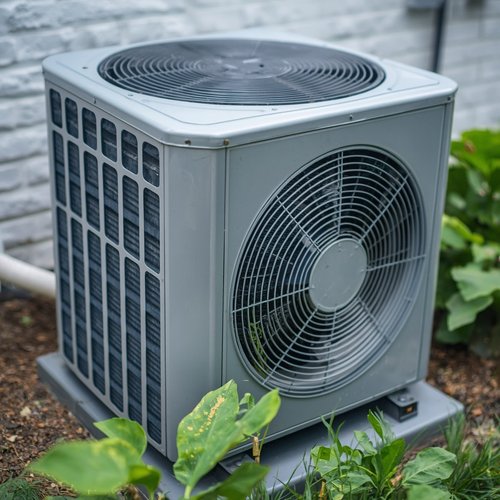
Quick Answer: When the AC runs constantly but the temperature won't drop, something is stopping it from removing heat from the air. The usual causes are restricted airflow (a clogged filter or dirty coils), low refrigerant from a leak, a dirty outdoor condenser coil, a failing component like the compressor or capacitor, or a system that's simply undersized or overwhelmed on an extreme-heat day. A clogged filter is the easiest to check first; most of the rest need a technician.
It's a miserable feeling on a Texas summer afternoon: the unit is humming, you can hear it working, but the house just won't cool down, and the thermostat won't budge. An AC that runs without cooling is telling you it can't move heat out of the house the way it should — and there are a handful of common reasons why. Some you can check yourself in a few minutes; others need a pro. Here's how to read what's happening.
AC Running but Not Cooling? What It's Really Telling You
How Cooling Is Supposed to Work
Your air conditioner doesn't make cold air so much as remove heat. Warm indoor air passes over a cold indoor coil, the refrigerant absorbs the heat, and that heat is carried outside and dumped by the outdoor unit. For the house to actually cool, three things have to be working: good airflow over the coils, the right amount of refrigerant, and clean coils to transfer the heat. When the system runs, but the temperature won't drop, one of those is usually broken.
The Common Causes
A Clogged Air Filter or Blocked Airflow
This is the first thing to check because it's the most common and the easiest. A dirty filter chokes the airflow over the indoor coil, so the system can't move enough air to cool the house — and it can cause the coil to freeze, which makes cooling worse. Closed or blocked vents and a dirty blower do the same thing. Replacing a clogged filter is a two-minute fix that solves a surprising number of "running but not cooling" complaints.
Low Refrigerant From a Leak
If the refrigerant charge is low, the system can't absorb enough heat, so it runs and runs without cooling. Refrigerant doesn't get "used up" — low levels mean a leak, which needs a technician to find, repair, and recharge. Signs include weak cooling, ice on the refrigerant lines or indoor coil, or a hissing sound. This is a common reason an older system gradually stops keeping up.
A Dirty Outdoor Condenser Coil
The outdoor unit dumps the heat from your house into the outside air, and it can't do that if the coil is caked with dust, grass, or debris, or if plants are crowding it. A filthy condenser can't release heat, so the system runs constantly without cooling. Keeping the outdoor unit clean and clear of obstructions helps it breathe.
A Failing Component
A weak or failed capacitor, a struggling compressor, or a bad fan motor can leave the system running but not cooling properly. The compressor is the heart of the cooling cycle, and when it's failing, the system can't move heat even though the unit is on. These are diagnosed and repaired by a technician.
An Undersized or Overwhelmed System
On an extreme-heat day, even a healthy AC that's undersized for the home, or fighting poor insulation and leaky ductwork, can run nonstop and still lose ground. If the house cools fine most of the time but falls behind only on the hottest afternoons, sizing, insulation, and duct losses are worth looking at.
| What you notice | Likely cause | What to do |
|---|---|---|
| Weak airflow from vents | Clogged filter or dirty blower | Replace filter; clear vents |
| Ice on the lines or indoor coil | Low refrigerant or airflow problem | Turn off; call a technician |
| Outdoor unit dirty or crowded | Blocked condenser coil | Clear debris; have it cleaned |
| Runs but air isn't cold at all | Refrigerant or compressor issue | Technician diagnosis |
| Only loses ground on the hottest days | Undersized system, ducts, insulation | Have the system evaluated |
What to Check, and When to Call
Start with the easy, safe checks: replace the air filter, make sure all supply and return vents are open and unobstructed, and clear any debris or overgrowth around the outdoor unit. If a frozen coil is the issue, turning the system off to let it thaw can restore airflow, but the underlying cause still needs to be fixed. Beyond that — low refrigerant, a dirty coil that needs professional cleaning, or a failing compressor or capacitor — it's a technician's job, both because it needs tools and refrigerant-handling certification and because running a struggling system in the heat can make the damage worse. If the basics don't restore cooling, that's the line to call. Acting sooner rather than later also matters in a brutal summer, because a system already straining in the heat can fail outright if it keeps running with a problem, and a breakdown on the hottest day of the year is exactly when help is hardest to get.
Frequently Asked Questions
Because something is stopping it from removing heat. The most common reasons are a clogged filter or blocked airflow, low refrigerant from a leak, a dirty outdoor condenser coil, or a failing compressor or capacitor. On extreme-heat days, an undersized system or leaky ducts can also fall behind. Start by checking the filter, then have a technician look at the rest.
Yes. A clogged filter restricts the airflow the system needs to cool the house, and it can cause the indoor coil to freeze, which stops cooling entirely. It's the most common and easiest cause to fix — just replace the filter. If the coil has already frozen, turn the system off to let it thaw before running it again, and keep up with regular filter changes.
Ice on the refrigerant lines or indoor coil usually indicates low refrigerant due to a leak or restricted airflow from a dirty filter or blower. The coil gets too cold, and condensation freezes on it, which blocks cooling. Turn the system off to let it thaw, replace the filter, and if ice returns, call a technician — refrigerant leaks need professional repair.
No. Low refrigerant means there's a leak, and handling refrigerant requires certification and tools, plus the leak has to be found and repaired before recharging — simply adding more without fixing the leak just delays the problem. It's a technician's job. Signs of low refrigerant include weak cooling, ice on the lines, and hissing sounds.
If your AC cools fine most of the time but loses ground only on extreme-heat afternoons, the system may be undersized for the home, or it's fighting poor insulation and leaky ductwork that let cool air escape and heat pour in. A healthy unit can still fall behind under those conditions. An evaluation of sizing, ducts, and insulation can pinpoint the weak link.
Cooling Means Moving Heat — Find What's Blocking It
An AC that runs without cooling isn't lazy; it's blocked somewhere in the chain of removing heat from your home. Check the filter, the vents, and the outdoor unit first, because those simple fixes solve many issues. If the air still won't get cold — or you see ice, hear hissing, or the system only fails in extreme heat — that's the point to bring in a technician before the heat wins and a small problem becomes a breakdown.
AC running nonstop but the house won't cool? — Get it diagnosed and cooling again before the next heat wave. Above & Beyond Air Conditioning & Heating serves San Antonio and the surrounding Hill Country. TACLA00095687E. Call (210) 761-7747.
