
Water Pooling Around Your Indoor AC Unit? What’s Wrong
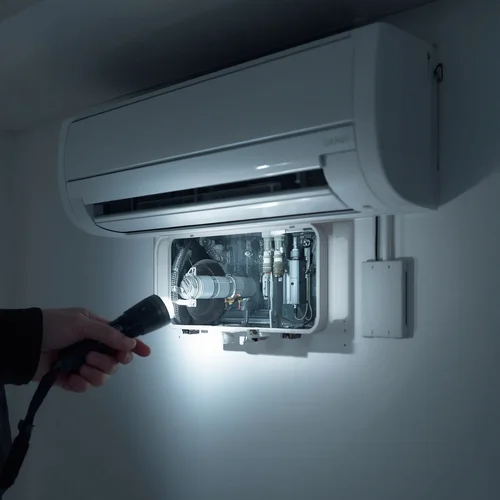
Quick Answer: Water around your indoor AC unit usually traces to a problem with how the system handles the condensation it naturally produces. The most common cause is a clogged condensate drain line, which backs water up so it overflows the drain pan. Other causes include a cracked or rusted-through drain pan, a frozen evaporator coil that drips a lot of water as it melts, a disconnected or misaligned drain line, or a clogged condensate pump on systems that use one. Some of these, like a frozen coil, point to deeper issues such as low refrigerant or restricted airflow. Water pooling shouldn't be ignored, because it can cause water damage and mold.
Finding a puddle of water around your indoor air conditioning unit is a common but unwelcome surprise. The good news is that AC systems produce water as a normal part of cooling — so the issue isn't usually that there's water, but that the system isn't getting rid of it properly. Understanding where that water is supposed to go, and why it's not, points you to the cause.
Your AC Makes Water on Purpose
To cool your home, the AC's indoor evaporator coil gets cold, and as warm, humid air passes over it, moisture condenses on the coil — just like water beading on a cold glass on a hot day. This condensation is normal and expected. The system is designed to collect that water in a drain pan and carry it away through a condensate drain line, sending it safely outside or to a drain. So, water around the unit means the disposal process has broken down somewhere — the water is being produced as usual, but isn't being carried away.
Cause One: A Clogged Condensate Drain Line
The most common reason for water around an indoor AC is a clogged condensate drain line. Over time, the drain line can become blocked by algae, mold, dirt, and debris that build up in the damp environment. When the line clogs, the condensation has nowhere to go, so it backs up and overflows the drain pan, pooling around the unit. This is such a common cause that the drain line is the first thing to suspect when you find water. Clearing the clogged line restores proper drainage.
Cause Two: A Damaged Drain Pan
The drain pan sits beneath the coil to catch the condensation. If that pan is cracked, corroded, or rusted through — which can happen with age — water leaks out of it rather than being collected and drained, ending up on the floor around the unit. A damaged pan is a simple, direct cause of pooling water, and it typically needs to be replaced to fix the leak. Age and the constant presence of water make pans prone to this over the life of a system.
| Cause | What's happening |
|---|---|
| Clogged drain line | Water backs up and overflows the pan |
| Cracked or rusted drain pan | Water leaks out instead of draining |
| Frozen evaporator coil | Ice melts into more water than the pan handles |
| Disconnected/misaligned drain line | Water escapes the drainage path |
| Clogged condensate pump | Pump can't move water out |
Cause Three: A Frozen Evaporator Coil
A frozen evaporator coil can also cause water pooling. When the coil freezes into ice — often due to restricted airflow (like a dirty filter) or low refrigerant — and then melts, it can produce more water than the drain pan and line can handle, leading to overflow and pooling. The telltale signs are ice on the coil or refrigerant lines along with the water, and often reduced cooling. Importantly, a frozen coil is a symptom of a deeper issue, so the water is really a downstream effect of restricted airflow or low refrigerant that needs to be addressed.
Other Causes and Why It Matters
A couple of other issues can be behind the water. The drain line can become disconnected or misaligned, letting water escape its intended path. And systems that use a condensate pump to move water out can pool water if that pump clogs or fails. Whatever the cause, water around the AC shouldn't be left to sit. Standing water and ongoing leaks can cause water damage to floors, walls, and ceilings, and the damp conditions promote mold growth — both of which turn a drainage problem into a bigger, costlier one. That's why it's worth identifying and fixing the cause promptly rather than just mopping up the puddle.
Don't ignore water pooling around your AC or just keep wiping it up. Ongoing leaks can damage flooring, walls, and ceilings and feed mold growth in the damp area. If the cause is a frozen coil, continuing to run the system can also point to low refrigerant or airflow problems that stress the unit. Have the cause diagnosed and fixed rather than letting the water persist.
How It Gets Fixed
The fix depends on the cause, which is why diagnosis matters. A clogged drain line is cleared, a damaged pan is replaced, a frozen coil means addressing the underlying airflow or refrigerant issue and letting it thaw, a disconnected line is reconnected, and a failed condensate pump is repaired or replaced. A technician can identify which is causing your pooling water and address it properly — and check for any water damage or mold that's started. Because some causes (like a frozen coil) signal deeper problems, getting it diagnosed ensures you fix the real issue, not just the symptom.
Frequently Asked Questions
Usually, because the system isn't draining the condensation it naturally produces. The most common cause is a clogged condensate drain line that backs water up and overflows the pan. Other causes include a cracked or rusted drain pan, a frozen evaporator coil that melts into excess water, a disconnected drain line, or a clogged condensate pump. The water is made normally, but isn't being carried away.
Yes. Cooling your home causes moisture in the air to condense on the cold evaporator coil, just like water beading on a cold glass. This condensation is normal and expected. The system collects it in a drain pan and carries it away through a drain line. So water itself isn't the problem — water pooling around the unit means that the drainage process has broken down.
A clogged condensate drain line is the most common cause of water pooling, so it's the first thing to suspect. The line can become blocked by algae, mold, and debris in its damp environment, causing condensation to back up and overflow the pan. If you find water with no ice on the coil, a clogged or backed-up drain line is the likely culprit, and clearing it restores drainage.
Ice points to a frozen evaporator coil, often caused by restricted airflow (like a dirty filter) or low refrigerant. When the frozen coil melts, it can produce more water than the drain can handle, causing pooling. The ice and water together signal that the real issue is the airflow or refrigerant problem behind the freezing, which needs to be addressed.
Yes. Standing water and ongoing leaks around the AC can damage floors, walls, and ceilings, and the damp conditions promote mold growth. That's why water pooling shouldn't be left to sit or just wiped up repeatedly — the underlying cause should be fixed promptly to prevent the drainage problem from turning into costly water damage and mold remediation.
Yes, it's worth having diagnosed, especially since some causes signal deeper issues. A technician can identify whether it's a clogged drain line, a damaged pan, a frozen coil (and its underlying cause), a disconnected line, or a pump problem, and fix it properly. They can also check for any water damage or mold. Prompt diagnosis fixes the real issue and prevents further damage.
Fix the Drainage, Not Just the Puddle
Water around your indoor AC unit means the condensation it naturally produces isn't being carried away—most often due to a clogged drain line, but also from a damaged pan, a frozen coil, a disconnected line, or a failed pump. Because standing water leads to damage and mold, and some causes signal deeper system problems, it's worth diagnosing and fixing the cause promptly rather than mopping up the puddle and hoping it stops.
Water pooling around your indoor AC — Get the drainage problem diagnosed and fixed before it causes damage. Above & Beyond Air Conditioning & Heating serves San Antonio and the surrounding Hill Country. TACLA00095687E. Call (210) 761-7747.
