
What Makes an AC Short-Cycle (Turn On and Off Repeatedly)?
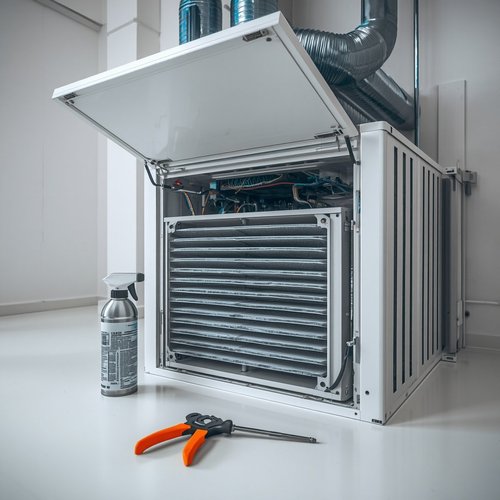
Quick Answer: Short-cycling is when an AC turns on and off in quick bursts instead of running a full cooling cycle. Common causes include a clogged air filter or frozen coil restricting airflow, low refrigerant, an oversized system that cools too fast, a thermostat that's faulty or poorly located, and electrical problems like a failing capacitor. Short-cycling is hard on the system because the compressor takes the most strain at startup, so constant restarting accelerates wear and raises energy use while never properly cooling or dehumidifying the home. Because the causes range from a simple filter to refrigerant and electrical issues, tracking down the trigger promptly protects the system.
An air conditioner that clicks on, runs briefly, shuts off, and starts again a few minutes later is short-cycling — and it's doing real harm while it does it. The rapid on-off pattern wears out the system and never properly cools your home. Finding what's triggering it matters because the causes range from a quick fix to a serious problem.
What Short-Cycling Is
Normally, an AC runs a complete cooling cycle: it turns on, runs long enough to cool the home to the thermostat setting and pull humidity from the air, then shuts off and stays off until the temperature rises again. Short-cycling breaks that pattern — the system turns on, runs only briefly, shuts off prematurely, and restarts soon after, cycling far more often than it should in short bursts.
The damage comes from the startup. The compressor draws the most power and takes the most strain when it starts. A system running normally starts relatively few times per hour; a short-cycling one starts constantly, multiplying that wear and the energy spikes that come with each start.
Cause One: Restricted Airflow
A very common trigger is restricted airflow, often from something simple. A clogged air filter chokes the air the system needs to move, and the resulting problems can cause it to shut down prematurely and restart. Restricted airflow can also freeze the evaporator coil into ice, which further disrupts operation and causes erratic cycling. Because a dirty filter is so easy to overlook and so easy to fix, it's always worth checking first when an AC starts short-cycling.
Cause Two: Low Refrigerant
Low refrigerant, which means a leak, can cause short-cycling too. The improper pressures in the system can trip safety controls that shut the unit off, and the cycle repeats. Low refrigerant usually comes with other signs — weak cooling, ice on the lines, longer run times between short cycles — that help indicate it. Since low refrigerant also stresses the compressor, it's a cause worth identifying and fixing rather than ignoring.
| Cause | How it triggers short-cycling |
|---|---|
| Clogged filter/frozen coil | Airflow problems shut the system down early |
| Low refrigerant | Abnormal pressures trip safety controls |
| Oversized system | Cools too fast, shuts off before a full cycle |
| Faulty or poorly placed thermostat | Misreads temperature, cycles erratically |
| Failing capacitor/electrical fault | Compressor can't run steadily |
Cause Three: An Oversized System
Sometimes the cause is built in. An air conditioner that's too large for the space cools the air to the thermostat setting very quickly, then shuts off — only for the temperature to climb again soon, starting another short cycle. This is why bigger isn't better when it comes to AC sizing. An oversized unit short-cycles by design, never running long enough to properly dehumidify, leaving the home cool but clammy. This cause traces back to installation and sizing rather than a breakdown.
Cause Four: Thermostat and Electrical Issues
The thermostat is the brain telling the AC when to run, and if it's faulty or poorly located — in direct sun, near a supply vent, or far from the living space — it can misread the temperature and cause erratic cycling. A thermostat that thinks the room is cooled when it isn't will short-cycle the system. Electrical problems can also be behind it: a failing capacitor or other fault can prevent the compressor from running steadily, causing it to cut out and restart. These electrical causes also tend to stress the compressor, compounding the harm.
Start with the easy check: replace a dirty air filter and make sure return and supply vents aren't blocked. Restricted airflow is one of the most common short-cycling triggers and the cheapest to rule out. If a fresh filter and clear airflow don't stop it, the cause is more likely refrigerant, thermostat, or electrical.
Why Short-Cycling Shouldn't Wait
Short-cycling isn't just inefficient — it's actively shortening your system's life. The constant restarting hammers the compressor with repeated startup strain, the most wearing thing it does, which can lead to early failure of the most expensive component. It also spikes energy use, since each startup draws heavily and never runs long enough to properly cool and dehumidify the home. So you get worse comfort, higher bills, and accelerated wear at once. Because the causes range from the simple (a filter) to the serious (refrigerant, electrical, compressor), promptly diagnosing the trigger both stops the damage and tells you up front whether it's a quick fix or something bigger.
Frequently Asked Questions
Short-cycling means the AC turns on and off in quick, frequent bursts instead of running a full cooling cycle. Instead of cooling the home and then resting, it runs briefly, shuts off early, and restarts soon after. It signals something is interrupting normal operation, and it's hard on the system because of the strain each startup puts on the compressor.
Because the compressor takes the most strain at startup, and short-cycling makes it start far more often than normal. Repeated startup wear can lead to early compressor failure — the costliest repair. It also raises energy use, since each start draws heavily, and prevents the system from running long enough to properly cool and dehumidify your home.
Yes, it's one of the most common and easiest-to-fix causes. A clogged filter restricts airflow, which can cause the system to shut down prematurely and freeze the evaporator coil, both of which can lead to erratic cycling. Checking and replacing a dirty filter is always a good first step when an AC starts short-cycling, since it's quick and cheap to rule out.
It can. An air conditioner too large for the space cools the air to the thermostat setting very quickly, then shuts off, only to restart as soon as the temperature rises again. This built-in short-cycling means it never runs long enough to dehumidify, leaving the home cool but humid. It's a sizing and installation issue rather than a malfunction.
Yes. Low refrigerant, which indicates a leak, creates abnormal pressures that can trip the system's safety controls and shut it off, repeating the cycle. It usually comes with other signs, such as weak cooling and ice on the lines. Because low refrigerant also stresses the compressor, it's a cause worth diagnosing and repairing rather than leaving alone.
If a fresh air filter and clear airflow don't resolve it, yes. The remaining causes — low refrigerant, thermostat faults, electrical problems, or an oversized system — require diagnosis and proper repair. Since short-cycling actively wears the compressor, prompt attention protects the system. A technician can pinpoint the trigger and fix it before it leads to a major failure.
Stop the On-Off Cycle Before It Costs You
An AC that turns on and off repeatedly is short-cycling, and every restart wears the compressor while leaving your home poorly cooled. The triggers range from a clogged filter to low refrigerant, an oversized system, or electrical faults. Rule out the easy causes first, then have the rest diagnosed promptly — because stopping the short-cycling protects the most expensive part of your system from early failure. The sooner the trigger is found, the less wear the compressor takes from all those extra starts.
AC cycling on and off too often — Get the trigger diagnosed and fixed before the constant restarting wears out the compressor. Above & Beyond Air Conditioning & Heating serves San Antonio and the surrounding Hill Country. TACLA00095687E. Call (210) 761-7747.
