
Signs a Struggling Central A/C System Requires Expert Attention
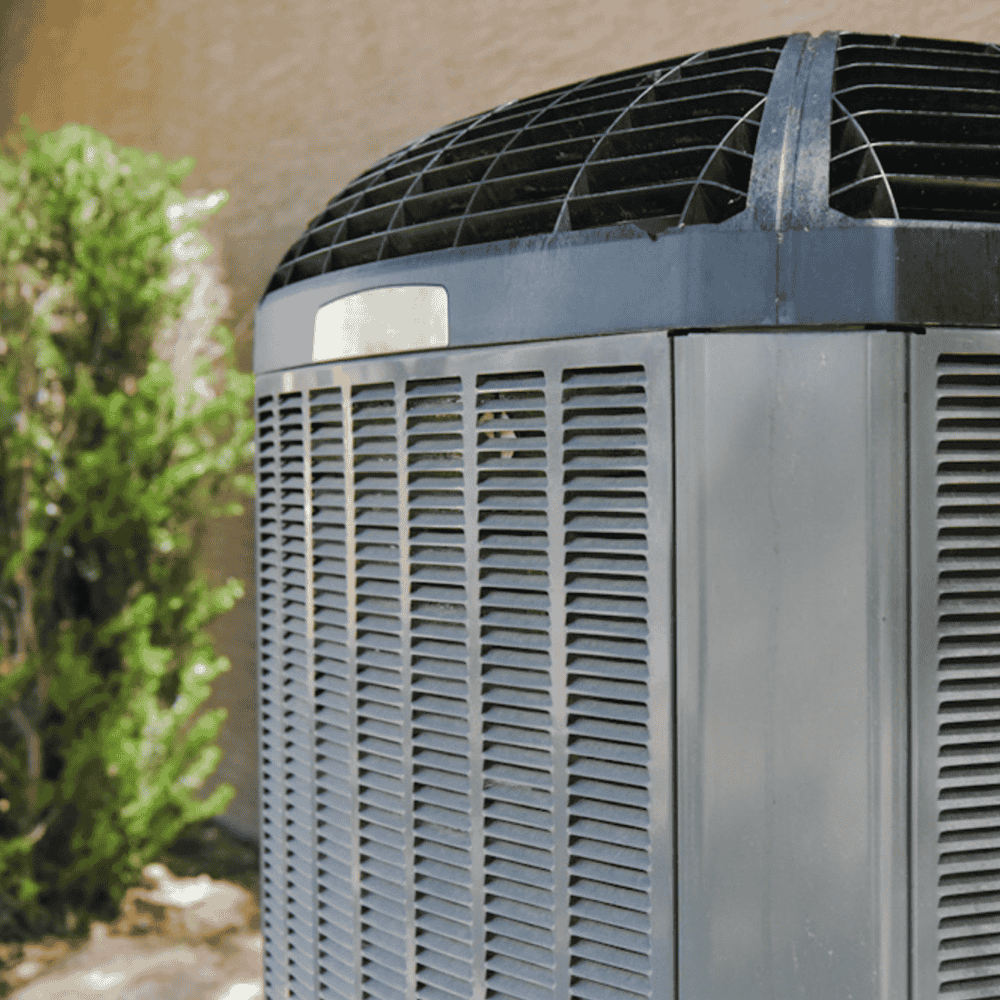
Recognizing the warning signs of a struggling A/C system allows for timely repairs, preventing further damage and keeping cooling efficiency intact.
A central air conditioning system keeps a home cool and comfortable, but like any mechanical system, it doesn’t last forever without maintenance. Minor concerns often go unnoticed until they become major breakdowns, leaving homeowners with unexpected discomfort and costly repairs. Recognizing the warning signs of a struggling A/C system allows for timely repairs, preventing further damage and keeping cooling efficiency intact. Professional residential cooling services provide expert diagnosis and targeted solutions to restore performance before problems spiral out of control.
Weak Airflow Reduces Cooling Efficiency
An air conditioner that barely moves air through the vents signals a problem. Weak airflow makes it difficult to cool a home efficiently, forcing the system to run longer than necessary. Clogged filters, blocked ductwork, or failing blower motors often contribute to reduced circulation. Ignoring the issue leads to increased energy consumption, higher bills, and unneeded strain on the system.
A professional technician inspects airflow components, removing obstructions and replacing worn parts to restore cooling efficiency. Promptly addressing weak airflow prevents overworking the system, lengthening its lifespan and lowering the risk of costly repairs.
Inconsistent Temperatures Create Hot and Cold Spots
A properly functioning A/C system cools a home evenly, maintaining consistent temperatures in every room. When certain areas feel too warm while others remain icy cold, the system may struggle with airflow imbalances, refrigerant issues, or thermostat malfunctions.
A technician evaluates ductwork, refrigerant levels, and thermostat accuracy to diagnose the problem. Adjustments to the system restore balanced cooling, eliminating frustrating temperature fluctuations and improving overall comfort.
Strange Noises Indicate Mechanical Problems
An air conditioner should operate with a steady hum, not a collection of bangs, rattles, or screeches. Unusual noises often point to loose parts, failing motors, or debris trapped inside the system. A grinding sound may signal worn-out bearings, while a buzzing noise could indicate electrical issues.
Ignoring these warning signs leads to more serious mechanical failures. A professional technician pinpoints the source of the noise, secures loose components, and replaces damaged parts before they create bigger problems. A quiet, well-maintained system runs more efficiently and lasts longer.
Rising Energy Bills Suggest Reduced Efficiency
A sudden spike in energy costs without a change in cooling habits suggests the A/C system is working harder than necessary. Dirty coils, refrigerant leaks, or aging components force the unit to consume more energy while delivering less cooling power. An inefficient system not only increases monthly expenses but also shortens the lifespan of vital parts.
Routine maintenance and timely repairs restore efficiency, reducing strain on the system. A professional inspection identifies areas of energy waste, allowing for adjustments that lower costs and improve overall performance.
Frequent Cycling Strains the System
An A/C unit that turns on and off too frequently, known as short cycling, struggles to maintain the desired temperature. A dirty air filter, oversized system, or malfunctioning thermostat often contributes to this issue. Short cycling increases wear on the compressor, leading to premature failure if left unaddressed.
A technician diagnoses the underlying cause and makes adjustments to restore proper cycling. A system that runs smoothly without constant starts and stops maintains efficiency, reduces energy waste, and stays in peak condition longer.
Unpleasant Odors Point to System Contamination
A musty or burning smell from the vents suggests issues within the A/C system. Musty odors often indicate mold or mildew buildup in ductwork, while a burning smell could mean overheating electrical components. Ignoring these warning signs risks poor indoor air quality and potential system damage.
A professional technician cleans and sanitizes the system, improving air circulation and eliminating contaminants. Regular maintenance prevents odor-related issues and keeps indoor air fresh and breathable.
Water Leaks or Excess Humidity Signal Drainage Problems
A central A/C system removes excess moisture from indoor air, preventing high humidity levels that lead to mold growth and discomfort. An obstructed drain line or frozen evaporator coil disrupts this process, causing water leaks around the unit or increased humidity inside the home.
Prompt repairs prevent water damage and restore proper dehumidification. A technician clears drainage lines, inspects coils, and checks refrigerant levels to keep moisture under control. Addressing these issues early protects the cooling system and the home’s indoor air quality.
Taking Action Before a Breakdown
A struggling central A/C system rarely fixes itself. Addressing minor performance issues early prevents major breakdowns, expensive repairs, and uncomfortable living conditions. Professional residential cooling services diagnose problems precisely, restoring efficiency and extending the system’s lifespan.
An air conditioner that operates smoothly provides steady comfort, lower energy costs, and fewer emergency repairs. Investing in expert maintenance and timely service keeps the home cool, efficient, and ready to handle even the hottest summer days.
Do not let AC issues make your home or place of business feel uncomfortable. Whether you need AC refrigerant leak repair, AC condenser repair or replacement, compressor repair or replacement, or AC fan motor repair or replacement, trust our technicians to do the job right the first time. Call us for a consultation.
