
Identifying the Sounds From an Air Conditioner
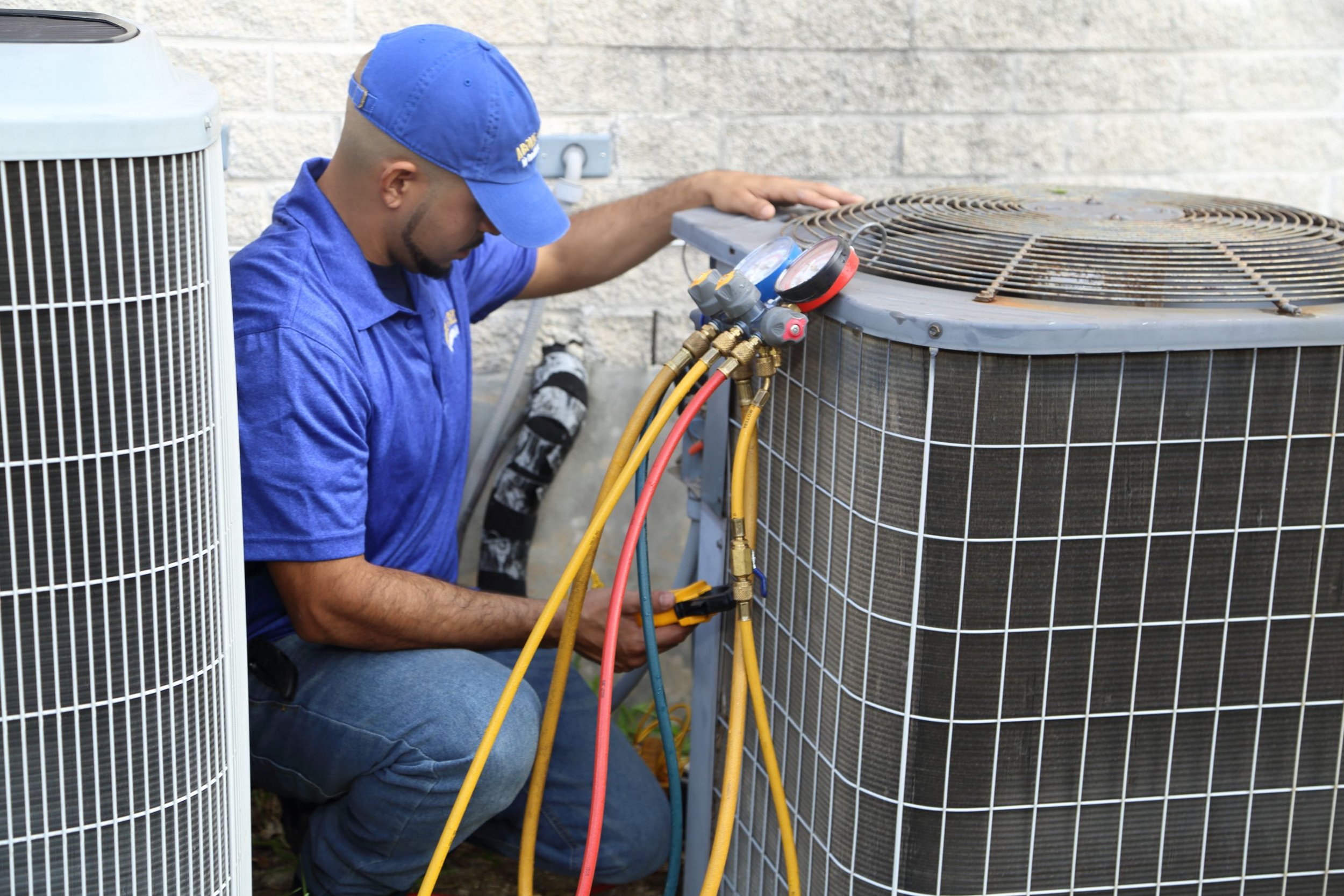
Homeowners usually ignore these sounds when they first appear, but soon they realize something is wrong with their HVAC system.
Modern air conditioners are engineered for quiet operation, so when your system starts making unusual noises, it’s a clear signal that something is amiss. While dismissing an odd sound or two is easy, ignoring these warning signs can lead to more significant problems, higher repair costs, and even system failure. Understanding what different air conditioner sounds mean—and knowing when to call a professional—can help you keep your cooling system running smoothly and efficiently.
Why air conditioner noises matter
Most air conditioning systems are designed to operate with minimal noise. A gentle hum or the soft sound of air moving through vents is normal. However, when you hear buzzing, hissing, rattling, screeching, or dripping, it’s time to pay attention. These sounds are often your system’s way of alerting you to developing issues that, if left unresolved, can compromise comfort, efficiency, and safety.
Common air conditioning noises and what they mean
Buzzing
Buzzing noise from the air conditioner can indicate various potential problems. The buzzing from the outdoor condenser unit could be related to the condenser fan or compressor. Electrical issues, including a failing capacitor, loose wiring, or a malfunctioning contactor, are common culprits. Sometimes, debris caught in the outdoor unit or a dirty condenser coil can cause a buzzing sound. Frozen evaporator coils or loose parts may be to blame if you hear buzzing from the indoor unit. Regardless of the source, a professional should always check persistent buzzing to prevent further damage.
Hissing
A hissing sound from your air conditioner is often a red flag for a refrigerant leak. Refrigerant leaks can occur in the copper lines, expansion valve, or from cracks in the pipes. This is a severe issue, as low refrigerant levels can reduce cooling efficiency, increase energy consumption, and even damage the compressor. Other causes of hissing include high pressure in the compressor or improperly fitted air filters. If the hissing escalates to a high-pitched squeal, it could indicate dangerously high pressure, and you should turn off your system and call a technician immediately. Sometimes, a hissing sound may be accompanied by bubbling or gurgling noises, further pointing to refrigerant or drainage issues.
Screeching or squealing
Screeching or squealing noises are typically associated with a malfunctioning fan motor in the outdoor condenser unit or the indoor blower assembly. Worn-out belts or motor bearings can also create these high-pitched sounds. If you hear screeching, it’s essential to turn off your system and check it, as running the AC in this condition can damage the motor or blower assembly.
Rattling
Rattling noises usually indicate that something inside your air conditioner is loose or has become detached. Common causes include loose screws, bolts, or panels, debris inside the unit, or a failing fan motor. Rattling can also signal a worn-out compressor, which may require replacement. While you can check for visible debris or loose panels, a professional should evaluate persistent rattling to prevent damage and ensure safe operation.
Clicking
A single click when your air conditioner starts up or shuts down is normal. However, continuous or rapid clicking noises are a sign of trouble, often pointing to electrical issues such as a malfunctioning thermostat, faulty relay, or problems with the control board. Electrical problems can quickly escalate, so a qualified technician should address ongoing clicking.
Humming
A low humming noise is generally normal during operation, but if it becomes loud or persistent, it may indicate electrical issues, a failing capacitor, or problems with the fan motor. Excessive humming can also result from loose parts vibrating during operation. While a slight hum is expected, a sudden increase in volume or a change like the sound should prompt a professional inspection.
Dripping or gurgling
Dripping sounds are often associated with normal condensation as water drains from the evaporator coil. However, hearing gurgling or bubbling noises could indicate a blocked or cracked drainage pipe, or more concerning, a refrigerant leak. Blocked drain lines can cause water to back up, while refrigerant leaks require immediate professional attention due to safety and efficiency concerns.
Banging or clanking
Banging or clanking sounds are never normal and usually signal that a component has come loose or is out of balance. This could be due to a loose piston pin, connecting rod, crankshaft, or a problem with the blower assembly. These noises often require immediate professional diagnosis and repair, as continuing to run the system in this state can cause significant damage.
Whistling
A whistling sound from your air conditioner can be caused by restricted airflow, often due to a clogged air filter or closed vents. Whistling may also result from gaps or leaks in the ductwork. If you hear whistling, check your air filter and vents first. If the sound persists, have a professional inspect your ductwork for leaks or obstructions.
Troubleshooting air conditioner noises
While some minor noises can be resolved with basic troubleshooting, many require the expertise of a trained HVAC technician. Here are some steps you can take if you notice unusual sounds from your air conditioner:
Inspect and replace the air filter. A dirty or clogged filter blocks airflow and cause various noises, from whistling to humming. Replace the filter every one to three months, depending on usage and environmental factors.
Check for debris around the outdoor unit: Leaves, sticks, and other debris can get caught in the condenser fan or coil, leading to buzzing or rattling sounds. Clear away any obstructions and keep the area around the unit clean.
Tighten loose screws or panels: Sometimes, rattling is caused by loose screws or panels on the unit. Use a screwdriver to tighten any visible fasteners.
Inspect the fan blades: Turn off the power to your AC and check the fan blades for damage or obstruction. Bent or broken blades can cause rattling or banging noises and should be repaired or replaced by a professional.
Listen for changes in sound: If a noise suddenly becomes louder, more frequent, or changes in pitch, it’s a sign that the problem may worsen. Don’t ignore these warning signs—schedule a professional inspection as soon as possible.
When to call a professional
Many air conditioner noises are best left to the experts. If you hear any of the following, it’s time to call a professional HVAC technician:
Persistent buzzing, hissing, or screeching
Rattling that doesn’t resolve after tightening screws or clearing debris
Continuous clicking or humming from the electrical components
Gurgling or bubbling that points to refrigerant or drainage issues
Banging, clanking, or any sound that suggests a loose or broken component
Skilled technicians have the training and advanced tools to diagnose and repair air conditioner problems safely, ensuring your system operates efficiently and reliably.
The risks of ignoring air conditioner sounds
Ignoring unusual air conditioner noises can lead to a range of problems, including:
Reduced cooling efficiency and higher energy bills
Increased wear and tear on system components
Risk of refrigerant leaks, which can be hazardous to your health and the environment
Electrical issues that can lead to system failure or even fire
Water damage from blocked or overflowing drain lines
Prompt attention to unusual sounds can save money, prevent breakdowns, and extend the air conditioning system's life.
Preventing air conditioner noises
Regular maintenance is the best way to prevent strange noises and keep your air conditioner running smoothly. Schedule annual tune-ups with a professional HVAC technician who can:
Inspect and clean the evaporator and condenser coils
Check refrigerant levels and look for leaks
Tighten electrical connections and check capacitors
Lubricate moving parts, such as fan motors and bearings
Inspect and clean the drain line and pan
In addition to professional maintenance, you can help by:
Changing the air filter regularly
Keeping the area around the outdoor unit clear of debris
Ensuring vents and registers are open and unobstructed
Listening for changes in the sound of your system and addressing issues promptly
Enjoy your AC in peace
Unusual noises from your air conditioner are more than just a nuisance—they’re your system’s way of telling you something needs attention. Ignoring these sounds can lead to costly repairs or full replacement. Instead of guessing what might be wrong, contact a professional HVAC technician to quickly diagnose and resolve the issue, ensuring your air conditioner runs quietly and efficiently all season.
A quiet, well-maintained air conditioning system is essential for comfort and peace of mind during the year's hottest months. By paying attention to the sounds your system makes and addressing issues promptly, you can enjoy reliable cooling, lower energy bills, and a longer lifespan for your equipment. If you’re ever unsure about a noise or concerned about your air conditioner’s performance, don’t hesitate to contact a trusted HVAC professional for expert advice and service.
The technicians at Above and Beyond Air Conditioning & Heating specializes in fan blade repair or replacement, evaporator coil service, AC drain line cleaning and unclogging, and AC circuit board repair or replacement to restore proper air conditioner functioning. Schedule a service by calling us at (210) 761-7747.
