
Signs a Furnace Needs Replacement
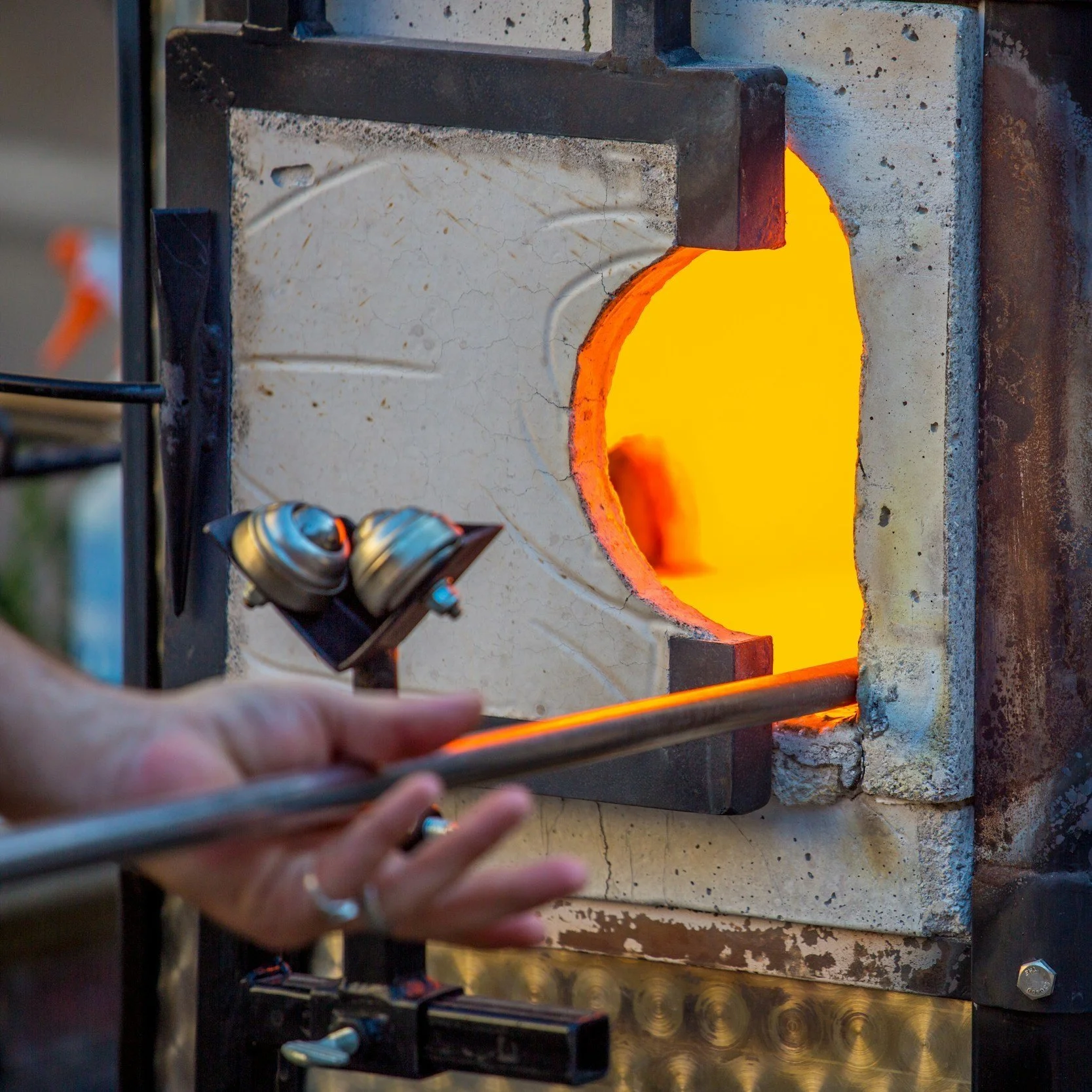
Recognizing the signs that a furnace needs replacement can prevent unexpected breakdowns and costly repairs.
A reliable furnace is essential for maintaining comfort and safety during the colder months, especially in areas where temperatures can drop unexpectedly. Regular maintenance and timely repairs extends the furnace's life. However, every system will eventually reach a point where replacement is the best option. Recognizing the signs that the furnace needs replacement can help avoid sudden breakdowns, costly emergency repairs, and uncomfortable nights without heat. Here’s what to watch for if you’re wondering whether it’s time for a new furnace.
Age of the furnace
The age of your furnace is one of the most significant indicators of its lifespan. Most residential furnaces are designed to last between 15 and 20 years with proper maintenance. As your furnace approaches or surpasses this age range, it becomes more vulnerable to breakdowns, inefficiency, and safety issues. Even if your older furnace is still running, it may not be heating your home as efficiently as it once did. If your furnace is nearing the end of its expected lifespan, it’s wise to start planning for a replacement before you experience a complete failure.
Increased energy bills
Have you noticed your heating bills creeping up, even though your usage habits haven’t changed? As furnaces age, they lose efficiency and require more energy to produce the same heat. This inefficiency is often reflected in higher monthly utility bills. If you pay more for heat each winter, your furnace could be to blame. Upgrading to a modern, energy-efficient furnace can lower energy costs and offer more consistent comfort throughout the home.
Frequent repairs
It’s normal to need occasional repairs as your furnace ages, but if you call your HVAC technician multiple times each season, it may be time to consider a replacement. Frequent breakdowns, especially those involving major components like the heat exchanger, blower motor, or control board, are signs that your furnace is wearing out. Repeated repairs quickly add up, sometimes exceeding the price of a new, more reliable system. If you’re facing another costly repair, ask your technician whether it makes more sense to replace the furnace instead.
Inconsistent heating
A well-functioning furnace should provide even, consistent heat throughout the home. If you notice cold spots in certain rooms or if the furnace struggles to maintain the set temperature, it could indicate that the system can no longer distribute heat effectively. Inconsistent heating can result from worn-out components, failing ductwork, or a furnace too old to meet demand. Replacing the furnace can restore comfort and ensure every part of your home stays warm.
Strange noises
While a furnace makes some noise when it starts or shuts down, loud or persistent sounds cause concern. Banging, rattling, squealing, or grinding noises can indicate various issues, from loose parts to failing motors or cracked heat exchangers. These noises often signal that the furnace struggles to operate and may be on the verge of a significant breakdown. If strange sounds become a regular occurrence, it’s a good idea to have a professional inspect your system and discuss whether replacement is the best option.
Yellow burner flame
A properly functioning gas furnace should produce a steady blue flame. If the burner flame is yellow or flickering, it could indicate incomplete combustion and the potential for carbon monoxide production—a serious safety hazard. A yellow flame may also result from a dirty burner or a gas supply problem. If you see a yellow flame, turn off your furnace and contact a heating professional immediately. Addressing this issue promptly can protect your family’s health but may require replacing the furnace to ensure safe operation.
Excessive dust and soot
If you find that dust, soot, or rust particles are accumulating around your furnace or throughout your home, it could be a sign that the system is no longer filtering air properly or is burning fuel inefficiently. Poor air filtration can reduce indoor air quality and potential health issues for your family. Excessive dust and soot also indicate that the furnace is not operating as it should, often due to age or internal wear. Upgrading to a new furnace with advanced filtration can improve air quality and reduce dust and soot buildup.
Short cycling
Short cycling is when a furnace turns on and off frequently without completing a full heating cycle. Various issues, including an oversized furnace, thermostat malfunctions, or mechanical problems, such as a failing blower motor or heat exchanger, can cause this. Short cycling leads to uneven heating and discomfort and puts additional stress on the furnace, accelerating wear and reducing its lifespan. If your furnace is short-cycling, it’s important to have it inspected by a professional. Persistent short cycling is often a sign that replacement is needed.
Difficulty starting the furnace
If your furnace has trouble starting or staying on, it indicates something is wrong. Common causes include worn-out ignition components, faulty wiring, or failing safety switches. As furnaces age, these problems become more frequent and eventually lead to system failure. If you find yourself having to restart the furnace multiple times or if it shuts off unexpectedly, it’s time to consider a replacement to ensure reliable heating when you need it most.
Poor indoor air quality
Older furnaces, especially those with outdated or failing filtration systems, can contribute to poor indoor air quality. If you or your family members are experiencing more frequent allergy symptoms or respiratory issues or notice an increase in dust, it may be due to your furnace’s inability to filter and circulate air properly. Newer furnaces are designed with advanced filtration and air purification features that can significantly improve indoor air quality, making replacement a worthwhile investment for your health and comfort.
Visible signs of rust or cracks
Physical signs of deterioration, such as rust on the furnace cabinet or cracks in the heat exchanger, are serious red flags that should not be ignored. A cracked heat exchanger can leak dangerous gases, including carbon monoxide, into the home. If you notice visible damage or rust, have your furnace inspected by a qualified technician immediately. In most cases, visible deterioration signifies that replacement is necessary to maintain safety and efficiency.
Furnace repair or replace: How to decide
Deciding between furnace repair and replacement is challenging. Here are a few guidelines to help you make the best choice:
Age: Replacement is usually the better option if your furnace is over 15 years old and experiencing problems.
Cost of repairs: If the repair cost is 50% of the price of a new furnace, replacement is recommended.
Frequency of repairs: Multiple repairs in a single season signal that your furnace is on its last legs.
Energy efficiency: Upgrading to a high-efficiency furnace helps lower energy bills and improve comfort.
Furnace replacement cost
The cost to replace a furnace depends on the home size, furnace type, and installation requirements. On average, homeowners pay between $3,500 and $7,500 for a new furnace, including installation. High-efficiency models or systems with advanced features may cost more but can provide significant energy savings over time. Many HVAC companies offer financing options to make replacement more affordable.
Consulting with heating professionals
If you’re noticing any of the signs above, it’s important to consult with a trusted HVAC professional. A thorough inspection can help determine whether repairs are possible or if replacement is the best course of action. Professional technicians can also help you choose the right furnace for your home’s size, heating needs, and budget.
Recognizing the signs that the furnace needs replacement can help avoid the inconvenience of sudden breakdowns, high repair costs, and uncomfortable living conditions. By paying attention to the furnace’s performance, appearance, and indoor air quality, you can make informed decisions regarding when to repair or replace the system. When in doubt, contact local heating professionals for expert advice and reliable service, ensuring the home stays warm and comfortable throughout the winter.
If you need experienced and trained technicians for furnace installation, furnace maintenance, furnace replacement, and furnace repair, contact Above and Beyond Air Conditioning & Heating at (210) 761-7747. Emergency services are available 24/7.
