
Exploring the Top Issues With Aging AC Units
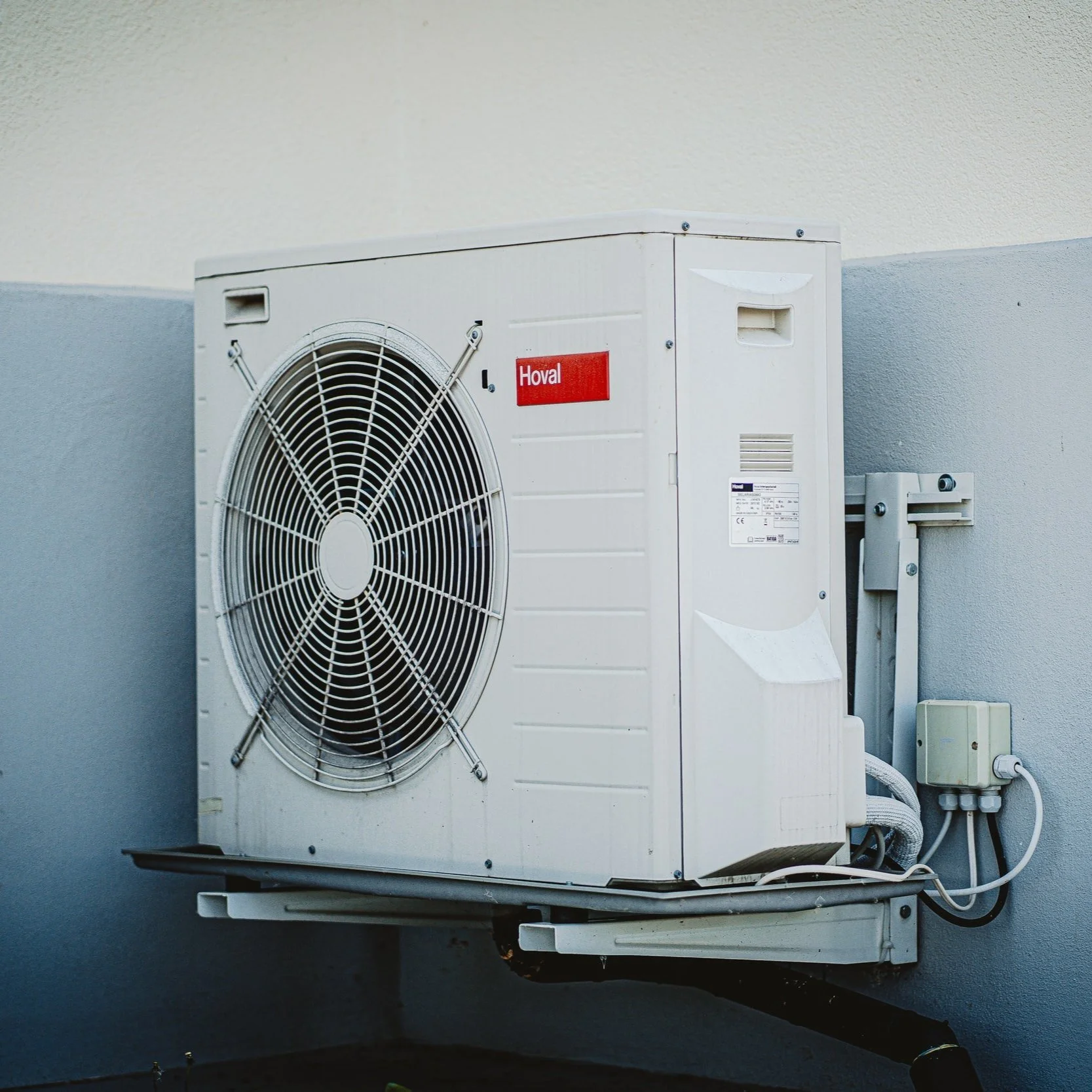
Aging air conditioners can run into a lot of problems. Below are several common issues.
Aging air conditioners are a common sight in homes and businesses, and while they may have provided years of reliable comfort, time eventually takes its toll. Professional HVAC services are often called upon to address the unique challenges of older systems. Understanding the most common problems with AC units as they age can help you make informed decisions about repairs, maintenance, and when it might be time to consider a replacement.
How age affects air conditioner performance
Every component in an air conditioner has a specific function, and as these parts wear down, the system’s performance declines. The most common issues with AC units as they age include reduced airflow, refrigerant leaks, worn-out motors, and electrical problems. These issues affect comfort and can result in higher costs and potential health risks.
Reduced airflow
One of the first signs of an aging air conditioner is diminished airflow. Over time, damage to coils, ice accumulation, or debris can restrict air movement through the system. When airflow is compromised, the evaporator coils can freeze or overheat, causing the unit to work harder. This extra strain shortens the essential components' lifespan and can lead to frequent breakdowns.
Inconsistent cooling
Older air conditioners struggle to maintain consistent temperatures throughout a home or building. Some rooms may feel much cooler or warmer than others, making it difficult to achieve uniform comfort. This inconsistency is a clear indicator that the system is failing to keep up with demand, especially during extreme weather.
Higher energy bills
Aging air conditioners are less efficient, which means they require more energy to provide the same level of cooling. As the system works harder to compensate for worn parts and declining performance, energy bills inevitably rise. Even with regular maintenance, there comes a point where the cost of running an old unit outweighs the benefits of keeping it.
Frequent repairs
Another issue with aging air conditioners is frequent repairs. As components wear out, breakdowns become more common. While regular maintenance can help extend an AC unit's lifespan, older systems are more likely to experience problems with compressors, fans, and electrical components. Eventually, the cost and inconvenience of repeated repairs make replacement a better option.
Refrigerant leaks
Refrigerant is essential for the cooling process, and leaks are a frequent problem in older AC units. Over time, refrigerant lines and coils can corrode or develop cracks, allowing coolant to escape. This reduces the system’s efficiency and can be harmful to the environment. Adding more refrigerant is not a solution; a professional technician must locate and repair the leak before recharging the system.
Ice buildup on the AC unit
Ice buildup is a classic sign of trouble, especially in older systems. This can occur on the evaporator coils, compressor, or refrigerant lines. Common causes include restricted airflow due to dirty filters, clogged ducts, or a malfunctioning fan. Low refrigerant levels can also lead to freezing. If you notice ice on your air conditioner compressor or pipes, it’s important to turn off the system and call a professional to diagnose and resolve the issue. Continuing to run the unit with ice present can cause severe damage, particularly to the compressor.
What causes AC relay failure
The relay in your AC system acts as a switch, allowing the thermostat to control high-power components like the compressor and fans. Over time, relays can fail due to electrical overloads, regular wear and tear, exposure to moisture or dust, and voltage fluctuations. When a relay goes bad, the system may not turn on or fail to shut off, leading to erratic operation and potential damage to other components. Professional diagnosis is essential to determine if a faulty relay is the root cause of your AC troubles.
Electrical issues
Electrical problems become more common as air conditioners age. Worn wiring, corroded terminals, and failing capacitors or relays can lead to intermittent operation, tripped breakers, or complete system failure. Sometimes, these issues can pose a fire risk. Older thermostats may also become inaccurate, causing the system to run at the wrong times or not at all. Regular inspections by a qualified technician can catch electrical problems before they escalate.
Fan problems
Fans are critical for moving air over the evaporator and condenser coils. In older units, fan motors can wear out, belts can become loose, and bearings may fail. These issues can reduce airflow, strange noises, and even complete fan failure. If airflow is restricted for an extended period, the compressor can overheat and fail, often a costly repair that may justify replacing the entire unit.
Leaking ducts
Ductwork is often overlooked, but it is crucial in delivering cooled air throughout your home or business. Over time, ducts can develop cracks, holes, or loose connections, allowing conditioned air to escape into walls or attics. This reduces efficiency and increases energy costs. Older duct materials and prolonged closing of vents can exacerbate these problems. Professional duct inspection and sealing can restore proper airflow and improve overall system performance.
Drainage problems
Older air conditioners can also experience drainage issues. The condensate drain line removes moisture collected during the cooling process. If this line becomes clogged or develops a leak, water can back up and damage floors, walls, and personal belongings. In humid climates, regular maintenance of the drain line is essential to prevent mold growth and water damage.
Dust and debris clogs
Even with regular filter changes, dust and debris can accumulate inside the AC unit over time. This buildup can coat the evaporator and condenser coils, lowering their ability to absorb and release heat. As a result, the system must work harder, increasing energy consumption and wear on components. Professional coils and internal components cleaning is recommended to maintain peak performance.
Health risks associated with aging air conditioners
Older air conditioning systems can contribute to health problems, especially if maintenance has been neglected. Dirty filters and ductwork can harbor mold, bacteria, and allergens, which are then circulated throughout the building, leading to respiratory issues, allergies, and other health concerns for occupants. Regular professional cleaning and filter replacement are essential for maintaining indoor air quality.
Property damage risks
Aging air conditioners can also pose risks to your property. Leaking refrigerant or water from clogged drain lines can damage floors, walls, and furniture. Electrical problems can increase fire risk, especially if wiring is outdated or compromised. Addressing these issues promptly with the help of a professional can prevent costly damage and ensure the safety of your home or business.
When to consider replacement
While regular maintenance and timely repairs can extend the life of an air conditioner, there comes a point when replacement is the most cost-effective solution. If your system is over 10-15 years old, requires frequent repairs, or struggles to maintain comfort, it may be time to invest in a new, energy-efficient model. Modern air conditioners offer improved performance, lower energy consumption, and enhanced features that can significantly improve comfort and savings.
The importance of professional maintenance
The best way to avoid the most common problems with AC units is to schedule regular professional maintenance. Certified and skilled technicians are experts in identifying and addressing issues before they become significant. Routine inspections, cleaning, and tune-ups can help your system run more efficiently, reduce unexpected breakdowns, and extend the lifespan of your investment.
Setting up a maintenance schedule
Establishing a maintenance schedule with a trusted HVAC professional ensures your air conditioner receives the care it needs year-round. Most experts recommend at least one comprehensive service visit per year, ideally before the start of the cooling season. During these visits, technicians inspect all major components, clean coils and filters, check refrigerant levels, and test electrical systems. This proactive approach can catch minor problems early and help you avoid costly emergency repairs.
Aging air conditioners present a unique set of challenges that require the expertise of professional HVAC services. From reduced efficiency and frequent repairs to ice buildup and electrical failures, the most common issues with AC units can disrupt comfort and increase costs. By understanding the signs of an aging air conditioner and investing in regular professional maintenance, you can maximize the lifespan of your system, maintain indoor comfort, and protect your property. When the time comes to replace your old unit, a professional can guide you through the options, ensuring a smooth transition to a more efficient, reliable cooling solution.
Call Above and Beyond Air Conditioning & Heating at (210) 761-7747 for any AC installation, AC maintenance, AC replacement, AC tuneup, and condenser coil cleaning needs in San Antonio, TX. We are a licensed company ensuring top-quality solutions.
