

Heating Maintenance in San Antonio, $59 Heating Tune-Up Per System
Heat exchanger inspection, combustion-safety CO check, ignitor test, documented service record that protects your manufacturer warranty.

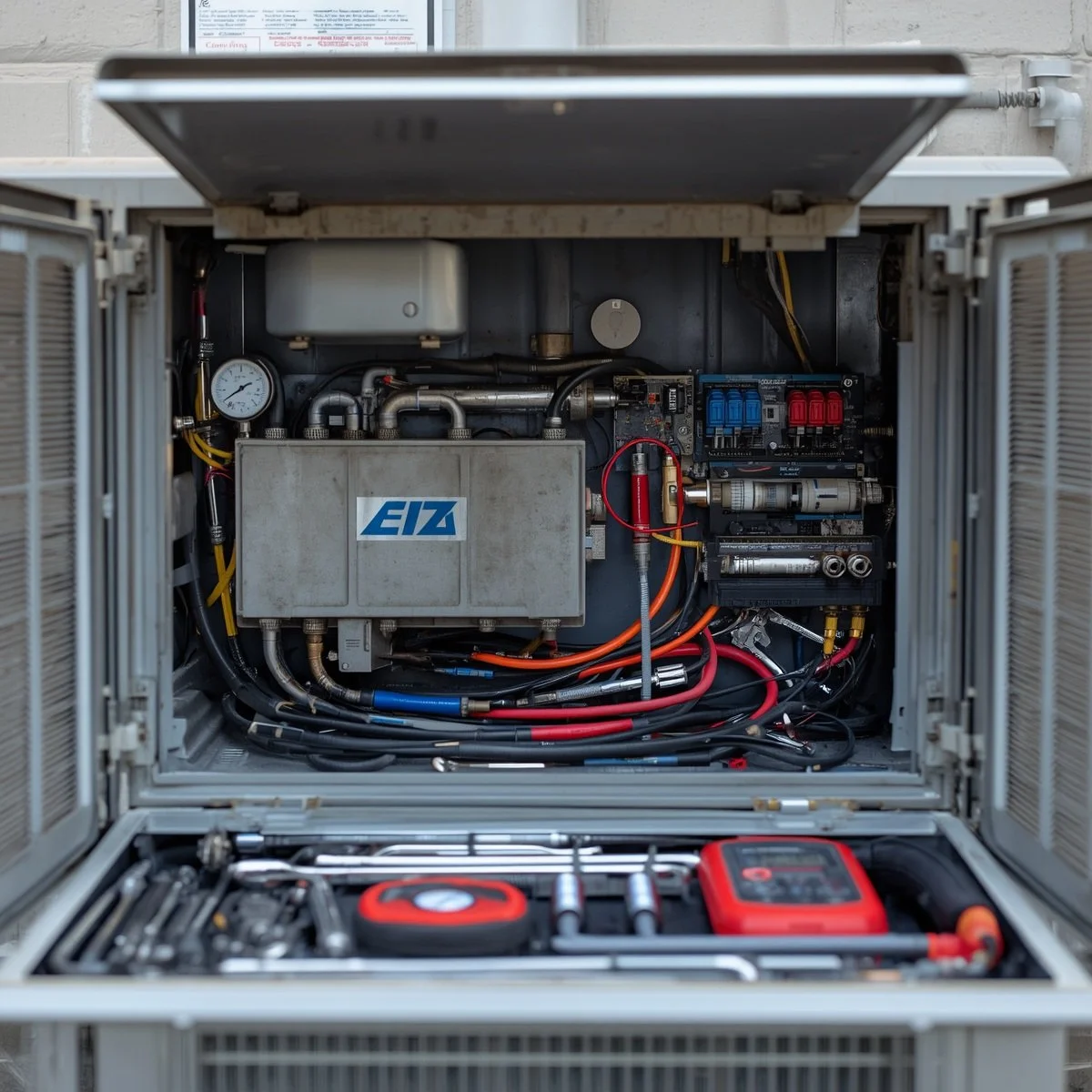


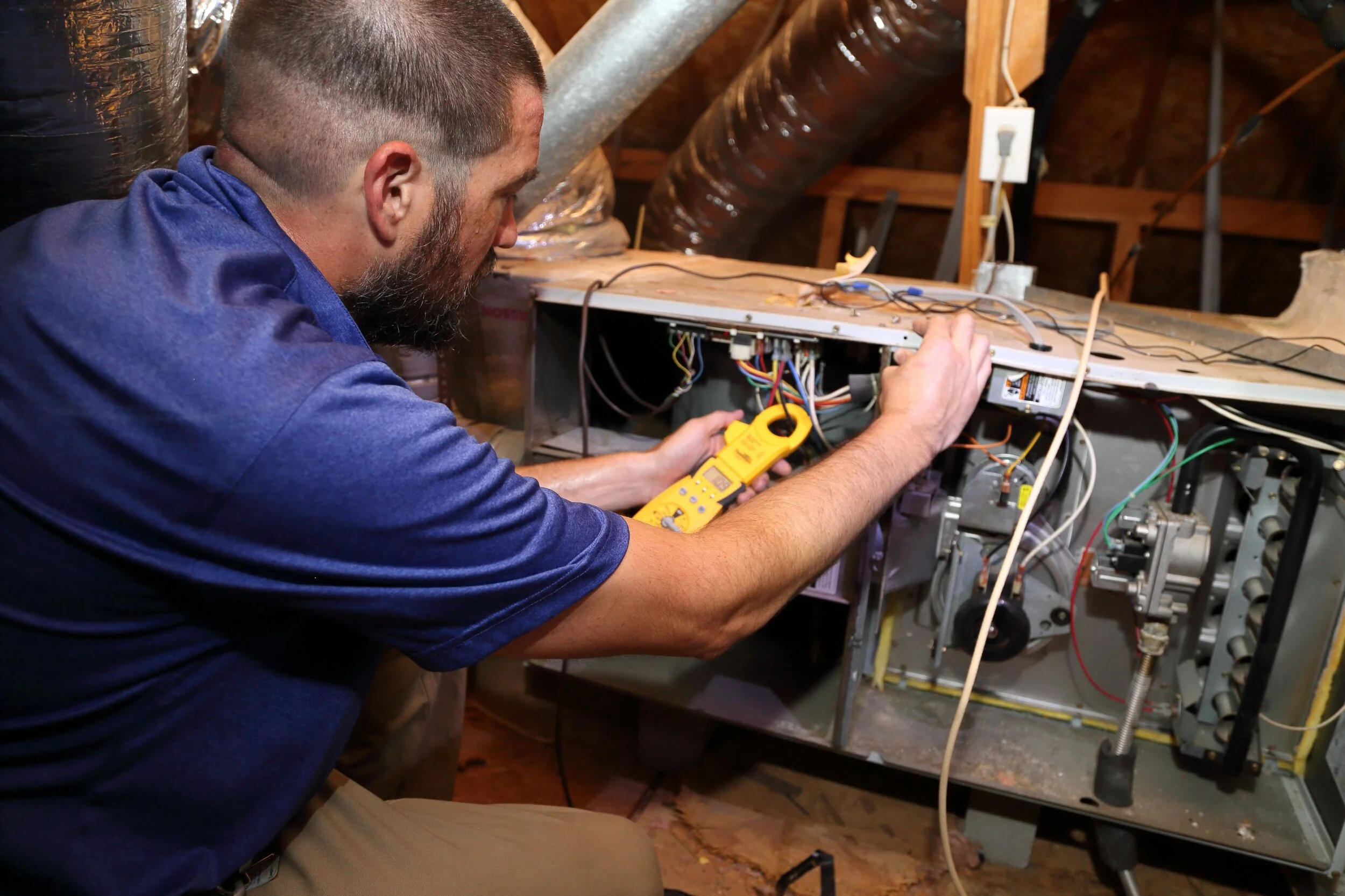
16-point heating inspection with a carbon-monoxide test from a TDLR-licensed tech. Ignitor check, flame-sensor clean, heat-exchanger inspection, gas-pressure verification, filter swap. Book the October through November window before the first hard cold front.
$59 per system, flat
16-point inspection covers combustion, electrical, airflow, and safety, including a CO test at the supply register.
TDLR Class A License #TACLA00095687E. Day & Night Elite Dealer since 2020. Carrier Factory Authorized, American Standard Customer Care, Trane Comfort Specialist.
Book your heating tune-up before the first cold front. Cedar fever season and the occasional hard freeze put real strain on a heater that has sat idle for months.
Single in-house crew of five techs. No commissioned sales reps, no upsell pressure, no phone trees.
Three Failures the Heating Tune-Up Catches Before You Need the Heat
The heating tune-up is not a checkbox visit. It is a diagnostic checkpoint for the three failure patterns that drive most of our December and January no-heat calls in San Antonio. Each one is dramatically cheaper and safer to fix in October than after the first cold front pushes overnight lows into the 20s.
San Antonio is a cooling-dominated climate. That sounds like good news for a heater, but it cuts both ways. From April through October, the blower motor, capacitor, and control board run continuously on the air-conditioning side. By the time the first 40-degree night arrives, the equipment is already exhausted, and the gas-burning side has sat untouched for months, accumulating dust on the heat exchanger and oxide on the flame sensor. The tune-up exists to surface what extended cooling season use did to a system that the homeowner has had no reason to look at since spring.
Fan Motor Wear
After a Long Summer
Ignitor Cracking
Before It Gives Up
Circuit Board Failure
After Summer Lightning
Failure #1: Fan Motor Wearing Down After a Long Summer
The blower motor is the most common heating failure we diagnose in San Antonio. The blower runs all summer in cooling mode, usually six to seven months of nonstop attic-installed duty in 130-plus-degree heat. By the time first freeze hits, the bearings, capacitor, and windings have already taken their hardest beating of the year.
The tune-up amperage reading catches a motor pulling 10 to 15 percent over spec before it actually quits, which is the early-warning signal Tommy taught the crew to flag. Replacement runs $300 to $700 in the planning window. The same motor that quits at 11 p.m. on a 28-degree night becomes an emergency dispatch, an after-hours rate, and a cold house for the kids.
Failure #2: Hot Surface Ignitor Cracking Before It Gives Up
Hot surface ignitors are the second-most-common no-heat call in San Antonio, and the failure pattern is sneaky. The silicon-carbide ignitor heats to about 2,500 degrees every single time the furnace cycles. After six summers of sitting idle followed by a couple of months of nightly cycling, hairline cracks develop.
The ignitor still lights until the morning it does not, and you wake up to a 58-degree house. The tune-up tech runs a resistance check (typical good range is 40 to 90 ohms, depending on manufacturer) and a visual under a flashlight. If the ignitor is reading at the edge of spec or shows visible cracking, we replace it on the spot for under $200.
We also clean the flame sensor while we are in there; a dirty flame sensor produces the same symptom and costs nothing to address during a planned visit.
Failure #3: Circuit Board Failure After Summer Lightning
San Antonio gets serious thunderstorms from May through September. Lightning-induced voltage surges sneak through the disconnect and degrade the control board capacitors and traces, and the damage often does not show up until the furnace tries to fire for the first time in October.
We see this every fall. The tune-up continuity and voltage-output tests on the control board catch the partial damage before the next cold front exposes it as a complete failure. A control board runs about $800 to replace, and a $50 to $100 unit-level surge protector after the visit prevents most of these failures in the first place. We will recommend one if you do not already have it.
Each of these three failures has a single root cause
The heater sat idle from April through October while the rest of the system worked overtime. The fall tune-up is the only realistic way to catch them before the season demands the heater work.
A fourth pattern worth flagging in San Antonio specifically
Dirty flame sensors. The flame sensor is a small metal rod that confirms the burner has lit before the gas valve stays open. It accumulates oxide over a season of cycling, and a sensor reading below the manufacturer microamp threshold causes the furnace to start, lock out, and try again. Cleaning the flame sensor is included in the $59 visit. We do not charge separately for it.
Our Heating Tune-Up Process, Start to Finish

-
Call (210) 761-7747 or book online. Most heating tune-ups schedule within a week. Booking before cold weather arrives keeps the schedule open. Cooler temps during the visit let the tech verify temperature rise under real load, which gives the most accurate picture of system health.
-
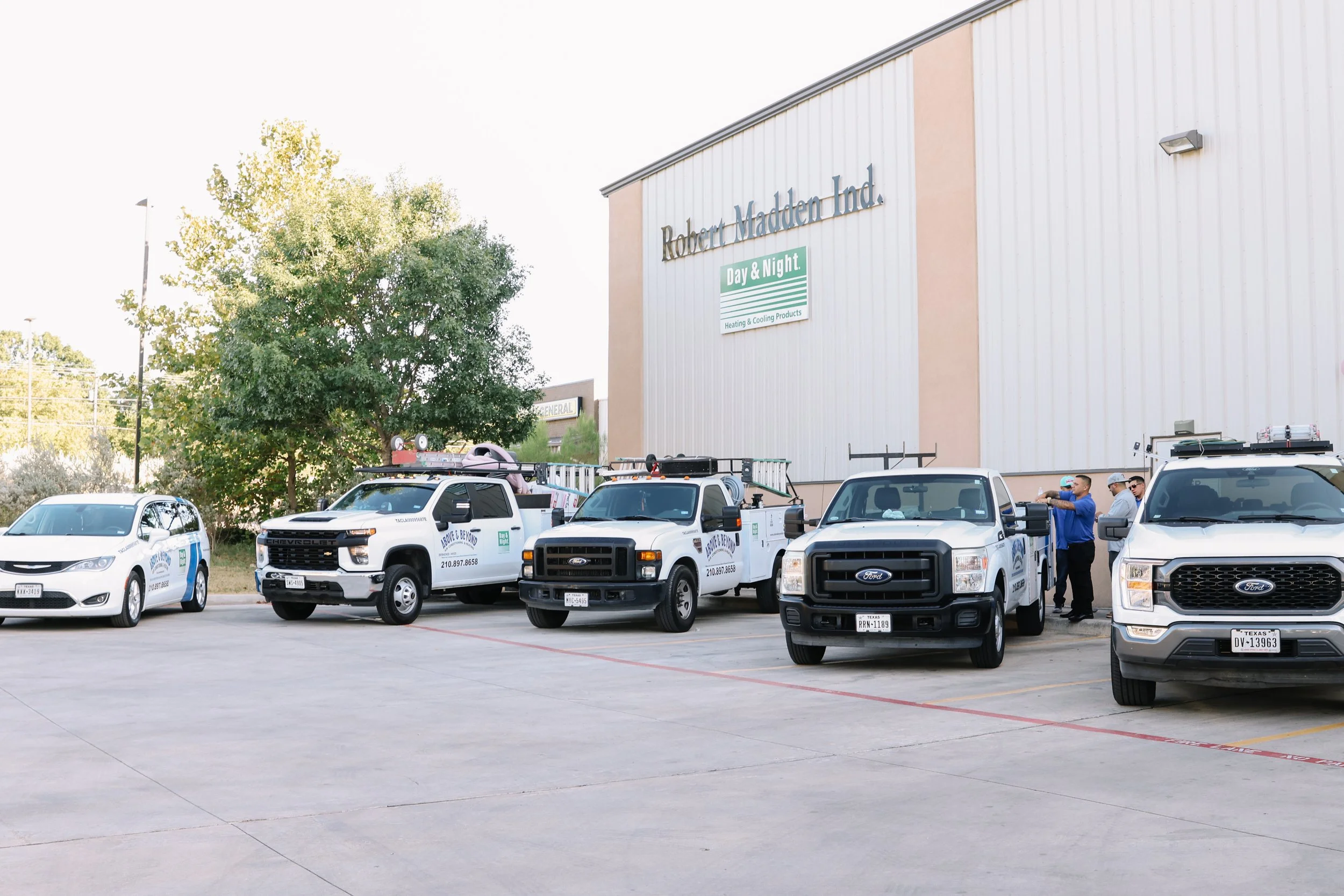
One-hour ETA window. Tech sends a text or call before arrival. No four-hour 'between 8 and 5' blocks. The same in-house tech who runs repair calls handles your tune-up.
-
Every truck stocks ignitors, flame sensors, common capacitors, contactors, transformers, and pressure switches. If the tune-up surfaces something fixable on the spot, the part is on the truck and the repair is done before the tech leaves.
-
Combustion safety (gas pressure, heat exchanger visual, CO at the supply register), electrical (ignitor resistance, flame sensor, board, motors, capacitors), airflow (filter swap, return-air check, static pressure, temperature rise), and drain on high-efficiency systems.
-
Plain-language report at the end of the visit. We tell you what is running well, what is worth keeping an eye on, and what actually needs attention now. Heat-exchanger photos are included if the system is over 12 years old. No upsell pressure; the tune-up is its own product, not a Trojan horse for a replacement quote.
What Is In the 16-Point Heating Inspection
If you have a multi-system home with two furnaces or two air handlers, the $59 price is per system. Most single-system homes get the full visit at $59 flat. The CO test is run on every gas-fired system regardless of age.
| Inspection Point | What We Check | Notes |
|---|---|---|
| Hot surface ignitor, resistance test | Multimeter check against manufacturer spec (typical good range 40-90 ohms). Visual for hairline cracks. | Replaced on the spot if out of spec. |
| Flame sensor clean | Removed, cleaned of oxide buildup, reinstalled. Microamp draw verified. | Cleaning is included in the $59 visit. |
| Gas valve pressure, manifold and inlet | Manometer reading. Adjusted if outside spec. | On every gas-fired system. |
| Burner inspection | Visual for rust, corrosion, soot, and flame pattern. | Cleaning recommended if heavy buildup. |
| Heat exchanger visual | Inspection for cracks, rust holes, and corrosion. Photos with the report. | Critical safety check on systems 10-plus years old. |
| Carbon monoxide test at the supply register | Ambient CO measured during burner operation. Anything above 9 ppm is flagged immediately. | On every visit. Non-negotiable. |
| Inducer motor amperage | Current draw vs spec, early bearing-wear indicator. | Catches the most common winter no-heat call. |
| Blower motor amperage | Current draw vs spec; ECM blower diagnostic if applicable. | On every visit. |
| Capacitor microfarad test | Multimeter check vs nameplate. Replaced if under 90% of spec. | Same protocol as the AC visit. |
| Limit switch and rollout switch test | Continuity and trip-point verification. | Safety circuit, on every visit. |
| Pressure switch test | Vacuum measurement vs spec on a calling cycle. | High-efficiency systems especially. |
| Circuit board and control board check | Continuity, voltage outputs, board fault history. | Catches summer-lightning damage. |
| Filter swap | Your supplied filter swapped in. Tech recommends MERV upgrade if cedar fever season is approaching. | MERV 11 or 13 available. |
| Return-air path and static pressure | Restriction at the return grille and static pressure across coil and filter. | On every visit. |
| Temperature rise across the heat exchanger | Supply vs return differential measured at the registers. Manufacturer spec is typically 30 to 60 degrees. | On every visit under real load. |
| Condensate drain (high-efficiency systems) | Flush, clear, and float-switch test on 90%+ AFUE units. | Triggered by system type. |
| Thermostat operation test | Set-point response, heat-call and fan engagement, programmable schedule review. | On every visit. |
| Full cycle run-test and written findings report | Multiple call-cycle observation. Plain-language report emailed at the end of the visit. | Photos of any flagged items included. |
Heating Maintenance Pricing in San Antonio
Maintenance pricing is published, flat, and per-system. No travel charges inside the standard 20-mile service area. No service-call fee on a tune-up; the visit is the product.
| Service | Price | Notes |
|---|---|---|
| Fall Heating Tune-Up + 16-Point Inspection + CO Test | $59 per system | Available year-round. Book before cold weather arrives for best scheduling availability. |
| Spring AC Tune-Up | $49 per system | Available year-round. Book before peak cooling season for best scheduling availability. |
| Flame sensor cleaning (if needed) | Included on tune-up | Standard during the visit, not billed separately. |
| Hot surface ignitor replacement (if reading out of spec) | $150-$200 installed | Stocked on every truck. Replaced on the spot. |
| Surge protector (unit-level) | $50-$100 | Recommended after storm activity. Prevents most lightning-driven control-board failures. |
| Repair found during tune-up | Component-level | Written estimate on the spot. |
5.0 Rated — Hundreds of Verified Reviews
Real customers. Real names. Real service calls. Live Google reviews help customers see the trust before they book.
Frequently Asked Questions
How much is the heating tune-up, and are there hidden fees?
$59 per system, flat. No travel fee inside the 20-mile service area, no diagnostic fee on top, no service-call fee. If you have two gas furnaces or two air handlers, that is $118, two systems, two inspections, two CO tests.
When should I book my heating tune-up?
Book before cold weather arrives. Scheduling while temperatures are already dropping means the heater runs during the visit, making the temperature-rise reading more meaningful. Book earlier than you think you need to, as the schedule tightens once cold fronts start moving through.
Why do I need a tune-up if San Antonio winters are short?
Short does not mean easy on the equipment. SA heaters sit idle from April through October, then run hard during cedar fever season and the occasional hard freeze. The heating tune-up exists to catch the three failure patterns that summer creates, including worn blower motors, cracked ignitors, and lightning-damaged control boards, before the December and January cold snaps expose them. The tune-up also runs a CO test, which has nothing to do with how cold it gets and everything to do with how safe the equipment is.
Will the tech try to sell me a new furnace during the tune-up?
No. The $59 tune-up is its own product, not a sales pitch for a replacement. If the heat exchanger is cracked or the system is past safe repair, the written report walks you through the math honestly. No pressure tactics, no scripted upsell.
What happens if you find something wrong during the visit?
Written, line-itemized estimate on the spot. We tell you what is working, what is worth watching, and what needs attention now. No pressure to authorize the repair the same day; the written estimate is good for follow-up scheduling.
What is actually different about your tune-up versus a chain?
Three things. First, an in-house TDLR-licensed tech runs the visit, not a commissioned sales rep. Second, $59 per system versus a chain's $99 and up starting point, with a CO test included that some chains charge separately for. Third, you get a written report afterward in plain language: what is working, what to watch, what to fix.
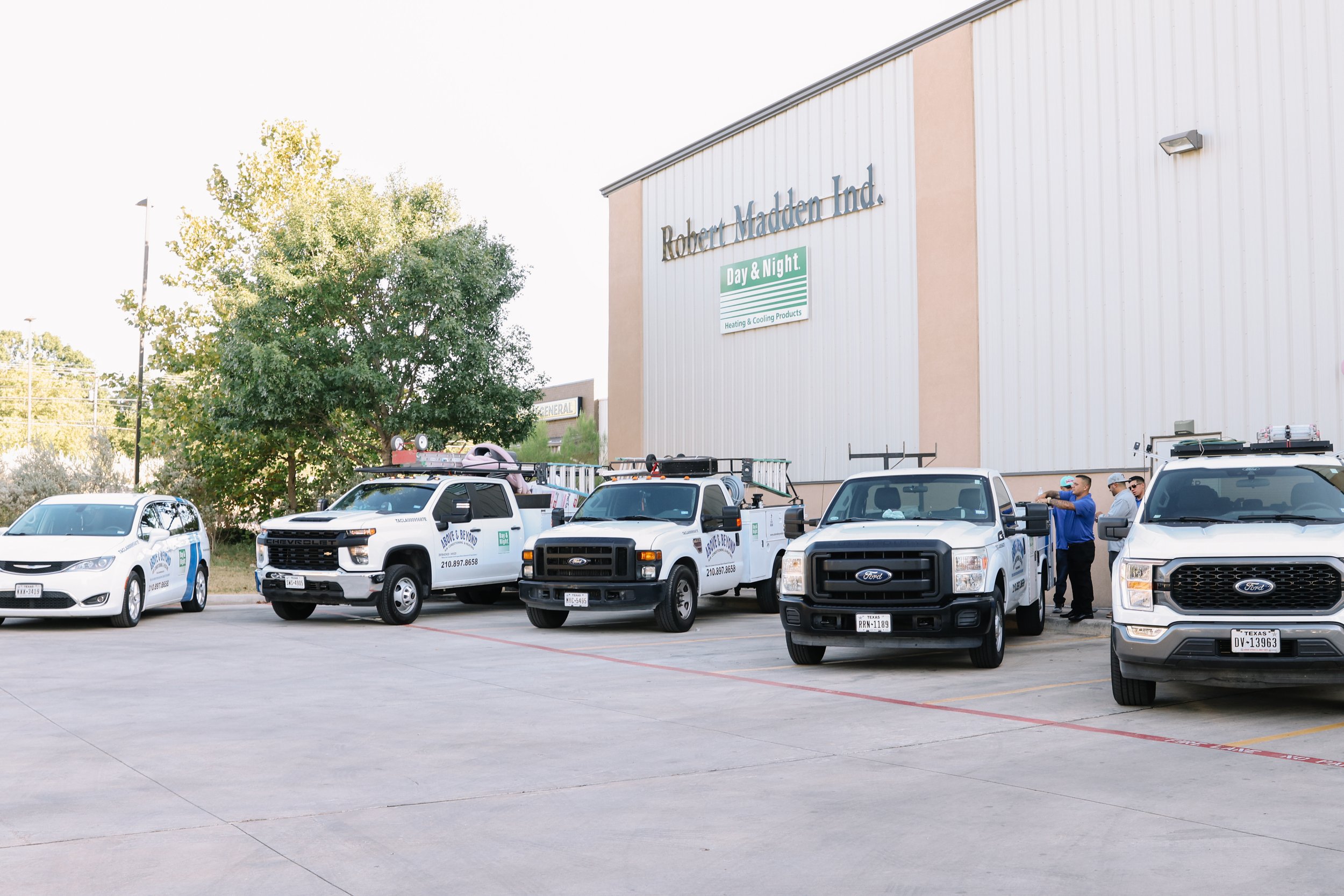
Ready to Book Your Heating Maintenance? Call Above & Beyond Today
A real San Antonio team member answers, never a phone tree. Free written estimate before any work. TDLR Class A licensed, $2M general liability, 30 years in the SA trade.
(210) 761-7747
Same-Day Capacitor Replacement
Monday through Friday: 7:00 AM to 7:00 PM | Saturday: 8:00 AM to 5:00 PM | Sunday: Emergency Dispatch Only | After-Hours Emergencies: 24/7, call (210) 761-7747