
The Financial Impact of Delaying Essential Commercial HVAC Repairs
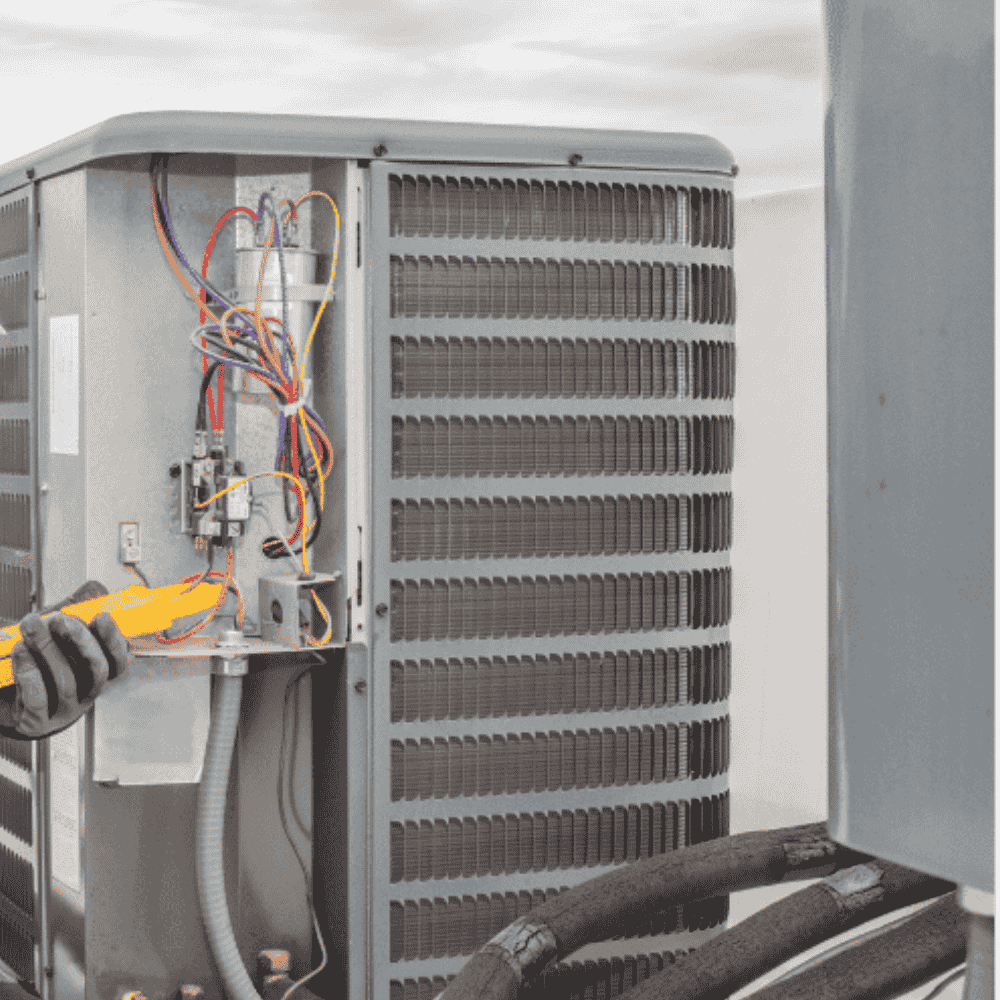
A commercial HVAC system operates continuously, so even small issues can lead to inefficiencies.
Commercial HVAC systems are the unsung heroes of business operations. They regulate temperatures, maintain indoor air quality, and contribute to creating a comfortable atmosphere for both employees and customers. However, like any mechanical system, HVAC units require regular care and attention. When minor issues arise, it's easy to delay the necessary repairs. After all, everything seems fine at the moment. However, ignoring HVAC problems can have a significant financial impact, resulting in unnecessary costs and long-term headaches.
Rising Energy Costs
A commercial HVAC system operates continuously, so even small issues can lead to inefficiencies. When specific components of the system aren't working correctly, the system must work intensely to maintain the desired temperature. This added strain results in higher energy consumption and, ultimately, inflated utility bills. As energy prices continue to rise, the financial consequences of an inefficient system can become even more severe. Delaying HVAC repairs may save you money today, but it could lead to escalating energy costs in the future, ultimately costing you much more in the long run.
Increased Wear on the System
When HVAC systems are not adequately maintained, their parts begin to deteriorate more quickly. For example, clogged filters or a malfunctioning thermostat can cause other components to work harder. In time, this additional strain leads to more frequent breakdowns, more expensive repairs, and, ultimately, a shorter lifespan for the system. An HVAC unit that is already running inefficiently due to neglected repairs will wear out more quickly, potentially leading to a premature system replacement, which can be an expensive and disruptive experience. Routine maintenance can keep your system running smoothly for years, but delaying repairs may lead to premature replacement of your HVAC system.
Expensive Emergency Repairs
One of the most costly outcomes of delaying HVAC repairs is the possibility of emergency services. When problems are ignored for too long, they often worsen and lead to complete system failures. When an HVAC system breaks down unexpectedly, businesses may find themselves incurring emergency repairs, which are typically more expensive than standard service calls. Emergency repairs often require technicians to work outside of regular hours, leading to higher labor costs. Additionally, the necessary parts for repairs may not be readily available, resulting in delays and further price increases. If repairs are ignored for long enough, businesses might also face downtime, which can be another costly setback.
Regular service and addressing issues as soon as they arise help avoid these emergencies. When technicians can catch small problems before they escalate into major failures, repairs are less costly, and the risk of costly downtime is minimized. Additionally, they can order parts ahead of time, preventing delays and keeping the repair costs lower.
Lower Property Value and Increased Operational Disruptions
Ignoring HVAC maintenance can have a ripple effect beyond just higher repair costs. A poorly maintained system can impact the comfort and productivity of both employees and customers, which in turn affects business operations. When employees aren't comfortable, their productivity can decrease, leading to inefficiency and frustration. Customers who visit a business with a malfunctioning HVAC system may decide to take their business elsewhere. A malfunctioning system could also result in a significant drop in indoor air quality, which might impact the health of everyone inside the building. In extreme cases, it could even force the business to close until repairs are made.
Furthermore, a commercial building's HVAC system is a key factor in its overall value. Potential buyers or tenants may view an HVAC system in poor condition as a liability, which can negatively impact the property's value. A poorly maintained system may become a significant point of negotiation, potentially leading to financial losses.
Extending the Lifespan of Your HVAC System
HVAC systems are a considerable investment for any business. Like any piece of machinery, they are designed to last longer when properly cared for. Regular maintenance not only halts costly repairs but also helps to extend the life of the equipment. When issues are addressed in their early stages, they are less likely to turn into significant problems that require expensive repairs or a full system replacement. By staying on top of repairs, businesses can extend the useful life of their HVAC system, delaying the need for a costly new installation.
Additionally, regular maintenance verifies the system operates at peak performance, preventing minor issues from escalating into more significant ones. Keeping your HVAC system running smoothly enables businesses to maximize their investment and derive the maximum value from their equipment.
The Bottom Line
Neglecting necessary HVAC repairs may seem like a way to save money in the short term, but the financial impact can quickly add up. From rising energy costs to the possibility of expensive emergency repairs, delays can cost businesses far more than the cost of timely repairs. Scheduled maintenance and timely repairs keep HVAC systems running smoothly, extend their lifespan, and prevent costly emergency service calls. By prioritizing HVAC maintenance, businesses can avoid costly setbacks and create a more comfortable, efficient, and productive environment for both employees and customers.
Don't wait for a breakdown to handle HVAC issues. A proactive approach to maintenance and repairs helps safeguard the longevity of your equipment and keeps costs in check. In the long run, taking care of your HVAC system will save you money, minimize disruptions, and ultimately keep your business running smoothly.
Above and Beyond Air Conditioning & Heating offers commercial and residential air conditioning and heating solutions to San Antonio, TX, business owners to maintain an ideal indoor environment. We also have expertise in providing duct installation and sealing, thermostat, thermostat replacement, Nest Thermostat installation, and indoor air quality solutions. Call us.
