
When Furnace Capacitors Become the Silent Cause of Heating Problems
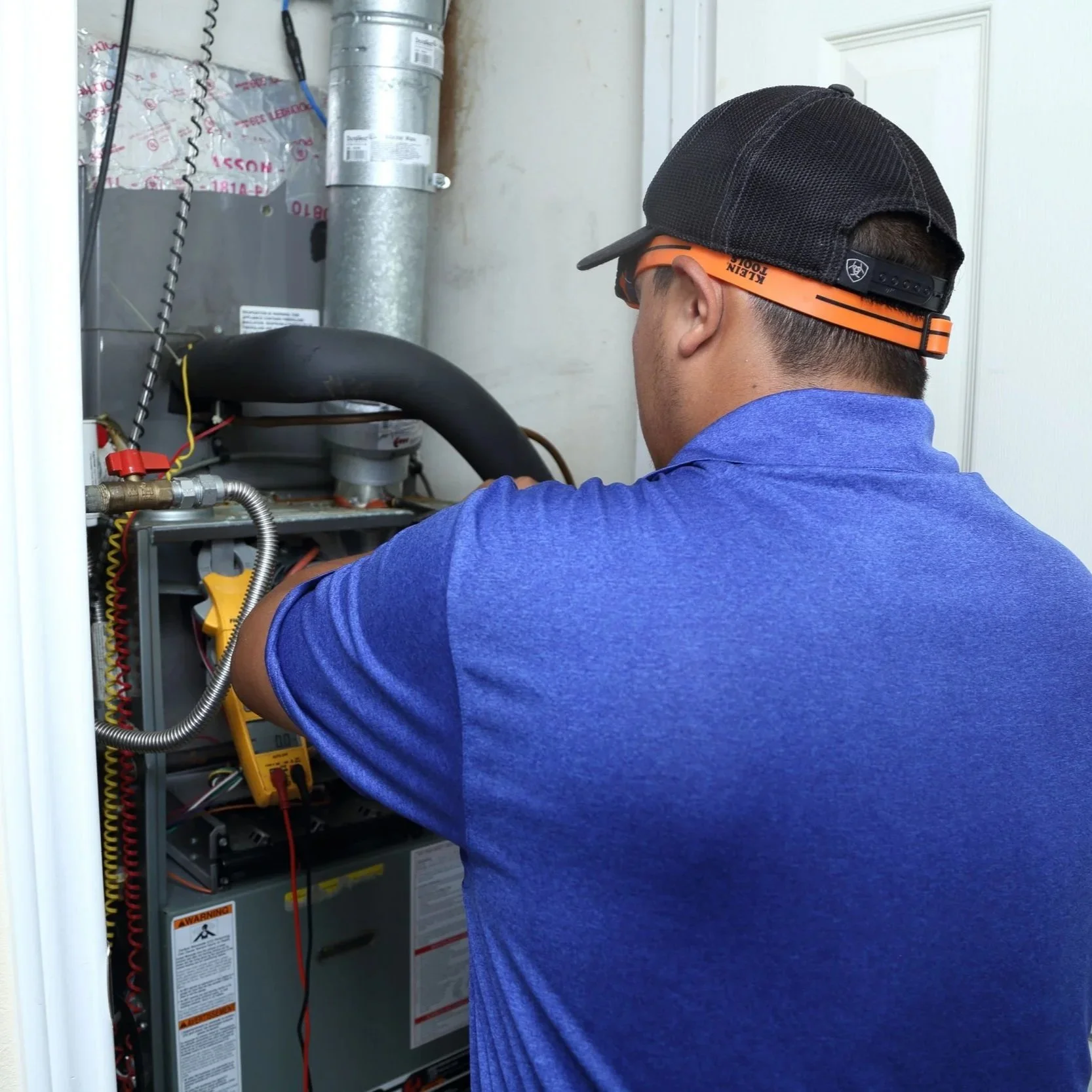
Small but mighty, furnace capacitors play a significant role in determining the overall performance of the entire system.
Furnace troubles have a way of sneaking up on you quietly. A few extra seconds to kick on, a strange click before the blower starts, or a sudden blast of cold air instead of heat. While these symptoms might feel like thermostat tantrums or filter forgetfulness, the true culprit often sits quietly on the control board—the capacitor. Small but mighty, furnace capacitors play a significant role in determining the overall performance of the entire system.
When a capacitor starts to fail, it rarely goes out with a bang. Instead, it quietly interrupts the furnace’s rhythm, causing a ripple effect that confuses the system and frustrates everyone under the same roof.
What A Capacitor Actually Does
The capacitor acts like a battery for the furnace. It stores and releases bursts of energy that help start and run key components, especially the blower motor. Every time the thermostat calls for heat, the capacitor jumps into action, supplying the jolt needed to start the fan and keep air moving through the ducts.
Without a working capacitor, the blower motor might struggle to start or stop working altogether. This leads to heating cycles that never start, systems that shut off too soon, or airflow that disappears mid-cycle. The furnace can have all the fuel in the world, but without a reliable capacitor, the warmth stays locked inside.
Symptoms That Point To Capacitor Trouble
Capacitor problems often hide behind more obvious symptoms. The furnace might make a humming sound but fail to start. The blower may turn on late or stop abruptly. Sometimes the air feels cooler than it should, even though the burners are functioning properly.
Short cycling is another red flag. If the furnace turns on and off rapidly without completing a full heating cycle, the capacitor might be delivering power inconsistently. Over time, this erratic behavior wears down other parts of the system and drives up energy bills without providing the comfort anyone’s looking for.
Why Capacitors Fail In The First Place
Capacitors are sensitive by design. They operate under high voltage and are exposed to heat, vibration, and constant electrical cycling. That makes them vulnerable to wear over time. Age is the most common factor—older capacitors lose their ability to hold a charge. However, power surges, poor airflow, and dirty components can accelerate the decline.
Even something as simple as a loose connection or dust buildup can change how effectively a capacitor performs. Once it starts to weaken, the entire heating process begins to fall apart one cycle at a time.
Testing The Part That Gets Overlooked
Because capacitors are small and inexpensive, they’re often overlooked during troubleshooting. But seasoned professionals in heating and furnace services know how to spot the signs early. Testing a capacitor involves measuring its microfarad rating to determine if it falls within the correct range for the system. Even a slight deviation can mean it’s on the way out.
Technicians also check for bulging, leaking, or burnt terminals. A capacitor showing physical wear is on borrowed time. Catching the problem before it causes a full breakdown prevents other components from overworking and keeps the system running cleanly and safely.
Replacing A Capacitor Is A Quick Fix With a Big Impact
The good news is that capacitor replacement is one of the fastest and most affordable furnace repairs. It typically takes less than an hour and delivers immediate results. Suddenly, the blower motor kicks on without delay, airflow stabilizes, and heating becomes consistent again.
It’s a low-cost fix that prevents high-cost issues. Motors last longer when they start easily. Thermostats work better when the system responds predictably. The furnace doesn’t have to work hard to deliver heat, which reduces energy consumption across the board.
Ignoring The Signs Comes At A Cost
When a failing capacitor goes unchecked, it drags down other parts of the system—motors strain to start. Circuit boards deal with irregular loads. The furnace might run longer to maintain the same temperature, driving up monthly bills and creating unnecessary stress on the equipment.
Eventually, a completely failed capacitor will stop the blower from working at all. That leads to no airflow, no heat, and a call for emergency service during the worst possible time. All of it could have been avoided with one small replacement done at the right moment.
Maintenance That Keeps It All In Sync
Regular furnace maintenance includes a thorough examination of the capacitor. During seasonal tuneups, technicians clean the housing, check readings, and inspect electrical connections. That routine care catches capacitor decline before it turns into a disruption and gives the rest of the system a chance to breathe easy.
Homeowners who schedule yearly checkups benefit from smooth, efficient heating all season long. No random shutdowns, no short cycles, and no cold surprises in the middle of the night.
A Tiny Part With A Big Job
Capacitors don’t draw much attention, but they quietly power the heart of the furnace. When they work, nobody notices. When they don’t, the whole system feels off-balance. Recognizing their role and replacing them before they fail outright makes a massive difference in how comfortable, efficient, and reliable a furnace stays—especially when the weather outside is working overtime.
Small repairs at the right time mean fewer problems later. In the world of heating and furnace services, a healthy capacitor is one of the most crucial components for maintaining a warm house without interruption.
If you need experienced and trained technicians for furnace installation, furnace maintenance, furnace replacement, and furnace repair, contact Above and Beyond Air Conditioning & Heating. Emergency services are available 24/7.
