
Enhancing Airflow with Blower Motor Replacement
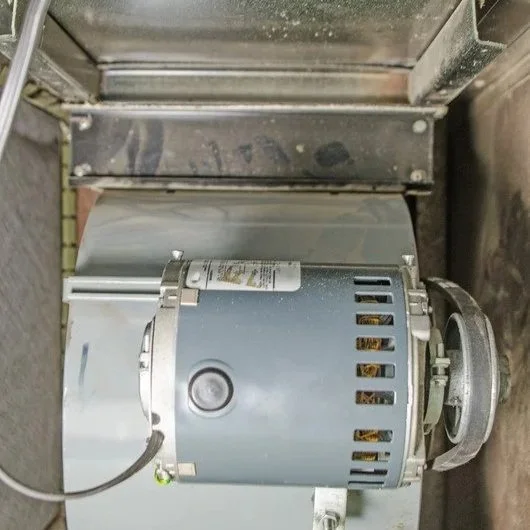
Blower motor replacement gives the system its rhythm back.
Airflow can make or break a heating and cooling system. When everything runs smoothly, air glides through vents with purpose, reaching every room like it's been personally invited. But when the blower motor falters, that confident flow turns sluggish, uneven, and sometimes non-existent. A struggling blower doesn't just hurt comfort—it strains the entire HVAC system and quietly chips away at energy efficiency.
Blower motor replacement gives the system its rhythm back. It's not just about swapping a part—it's about restoring balance, breathing room, and the quiet confidence of consistent comfort.
Spotting The Signs Before Things Go Silent
Blower motors don't always fail with a grand finale. More often, they fade out like a band that missed its cue. One day, the airflow is crisp and strong, and the next, it limps along like a tired leaf blower. Rooms start to feel stuffy. Temperatures vary wildly from one space to the next. The system runs longer without feeling effective.
There's usually a buildup to complete failure. Unusual noises are common—grinding, squealing, or humming that wasn't there last season. Sometimes it's electrical, sometimes it's mechanical, but either way, it's not a sound anyone wants from behind the walls. If left alone, the motor can stall completely, leaving fans frozen and comfort out of reach.
Understanding The Role Of The Blower Motor
The blower motor is more than a fancy fan. It takes cooled or heated air from the system and distributes it throughout the building. No matter how perfect the temperature in the coil or heat exchanger, it doesn't matter without a functioning motor to move that air.
There are two main types: single-speed and variable-speed—the first runs at full tilt or not at all—simple but limited. The second adjusts the output to meet the system's needs, offering smoother operation, improved energy efficiency, and fewer temperature fluctuations. When replacing an older motor, upgrading to a variable-speed model often delivers noticeable performance gains.
Preparing For Replacement Without Guesswork
A proper blower motor replacement starts with a solid diagnosis. Technicians begin by confirming that the issue actually lies with the motor. Sometimes airflow trouble stems from a clogged filter, a stuck damper, or a faulty thermostat. Once the motor is identified as the culprit, testing begins. Voltage checks, resistance readings, and visual inspections tell the story.
The motor's specs are matched carefully. Horsepower, voltage, rotation direction, and mounting style must all align with the system's design. It's not one-size-fits-all, and using the wrong replacement can lead to reduced efficiency or premature wear. Once the right match is found, installation moves forward with precision—not improvisation.
Removing The Old Motor With Precision
A blower motor isn't tucked in politely—it's wedged into a housing with bolts, wiring, and sometimes years of dust. Removing it takes patience and the right tools. Technicians disconnect the power, label wires, and pull the motor from the housing without disturbing nearby components. Mounting brackets and squirrel cage fans are removed carefully to prevent damage.
Older motors often leave behind clues to their condition. Burn marks, overheated windings, or worn bearings confirm it was time for retirement. Once out, the housing gets a quick cleaning. A fresh motor deserves a fresh start.
Installing The New Motor For Peak Performance
The new blower motor slides into place, and the wires are reconnected with attention to polarity and control board compatibility. Mounts are secured, fans are balanced, and airflow direction is double-checked. Once installed, the motor is tested under load, not just powered on for a quick spin. That's when issues like vibration, noise, or wiring problems show up.
Variable-speed motors require setup to match system control settings. Dip switches or control modules need to be adjusted to communicate with thermostats and respond correctly to changing temperatures. Once everything is set, the system runs through a complete cycle while airflow, voltage, and amperage are monitored.
Rebalancing Airflow Across The System
Replacing the motor often exposes duct imbalances that went unnoticed before. A stronger motor uncovers weak spots where airflow has always lagged. That's the perfect time to fine-tune dampers, adjust vents, and make sure every room benefits equally from the renewed force behind the fan.
Balanced airflow reduces strain on the motor by creating an open path for air to travel. With the ducts cooperating, the new motor doesn't overwork itself trying to push through blockages or tight bends. The entire system runs more smoothly, quietly, and with better results.
Protecting The New Motor With Preventive Care
A brand-new blower motor deserves more than a pat on the back. To keep it in top shape, the rest of the system needs regular attention. Clean filters, unobstructed vents, and dry drain pans all help reduce wear. Excess dirt and moisture are a blower's worst enemies, gradually causing the same trouble that led to replacement in the first place.
Seasonal maintenance goes a long way. Technicians check electrical connections, inspect bearings, and monitor fan performance. Even something as small as a worn capacitor can prevent the blower from starting properly. Replacing that $10 part before it fails helps the new motor stay in rhythm without interruption.
Upgrading Motor Efficiency Without Replacing The Whole System
Many older HVAC systems still have life in them, but outdated parts hold them back. Blower motor replacement offers a targeted upgrade without the cost of replacing the entire system. Modern motors use less energy, start more smoothly, and make better use of thermostat programming.
When a variable-speed model replaces a single-speed motor, homeowners often notice quieter cycles and more consistent temperatures almost immediately. Rooms that used to swing from too hot to too cold start to feel balanced. The thermostat doesn't call for drastic action—it gently nudges the blower into action when needed, saving energy and wear on the system.
Extending System Life One Motor At A Time
Every HVAC system is a team of moving parts. When one starts to slip, the others often pay the price. A blower motor running at half strength causes longer compressor cycles, higher energy use, and strain on duct components. Replacing it early avoids the domino effect that leads to total system fatigue.
Instead of waiting for the big failure and scrambling for solutions, proactive replacement turns the situation around. The system recovers its efficiency. The household recovers its comfort. And the motor, quietly tucked away in the furnace or air handler, goes about its job without fanfare—just steady, reliable performance.
Blower Motor Replacement That Moves Air Like It Should
Reliable airflow isn't a luxury—it's what makes the entire HVAC system work properly. When the blower motor is past its prime, performance gradually but consistently declines. Timely replacement resets the balance, bringing airflow, comfort, and control back into the spotlight.
With the right part, proper installation, and a bit of maintenance along the way, the new motor won't just last—it'll lead the system with renewed power. Comfortable rooms, steady temperatures, and quieter operation all start with airflow. And that airflow starts with a blower motor that's up for the task.
Above and Beyond Air Conditioning & Heating takes pride in providing top-notch boiler services, heat pump installation, heat pump repair, heat pump maintenance, and blower motor replacement solutions to San Antonio, TX, residents—call us to learn more.
