
Solutions for Cleaner and Healthier Indoor Environments
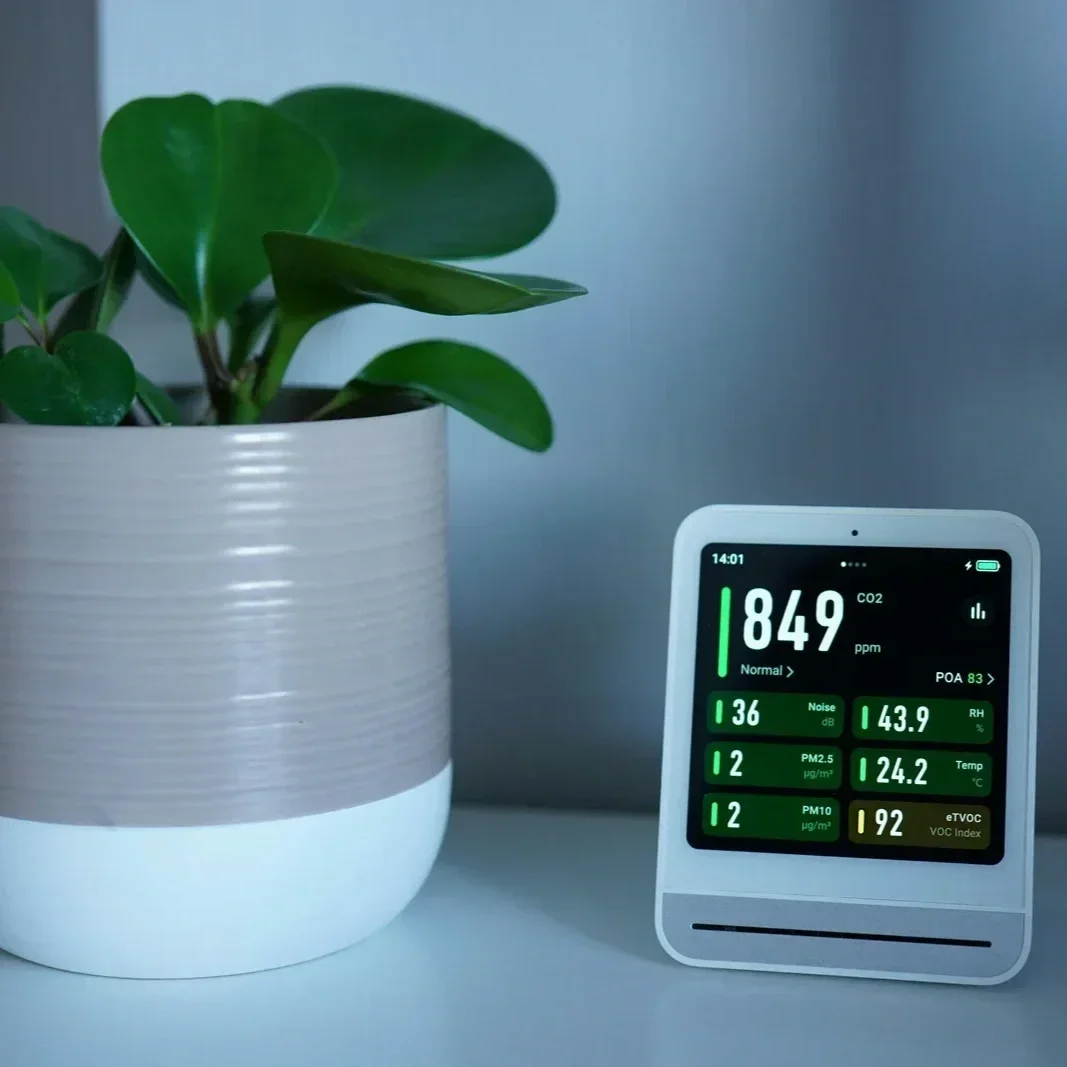
With the right adjustments, a house can transform into a breathable sanctuary rather than a box full of recirculated, sneeze-inducing fluff.
Living in a space where the air feels fresh, light, and invigorating can shift the entire mood of a home. Indoor air quality, though invisible, has a profound influence on comfort, health, and even productivity. With the right adjustments, a house can transform into a breathable sanctuary rather than a box full of recirculated, sneeze-inducing fluff.
Sources Lurking in Plain Sight
The average home plays host to an odd mix of particles that sneak in through windows, hitch rides on clothing, and float off furniture like tiny confetti. Dust mites hold secret meetings in carpets, pet dander clings to upholstery, and mold spores lurk in damp corners waiting for their chance to thrive.
Household cleaners sometimes don't help the situation, either. The lemon-fresh scent might mask yesterday's spaghetti, but it can also fill the air with chemicals that aren't doing anyone's lungs a favor. Air fresheners, scented candles, and even laundry products can release volatile organic compounds that trade one issue for another.
Older buildings tend to carry historical layers of pollutants. Lead dust, paint fumes, or crumbling insulation can become more than a maintenance headache. Even newer homes, while shiny on the surface, often off-gas a cocktail of fumes from adhesives, floor treatments, and synthetic materials.
Ventilation That Breathes With You
Good ventilation acts like the lungs of a home—always moving, always refreshing. Stale air needs somewhere to go, and fresh air deserves a clean path in. When the two swap places efficiently, the difference in air quality becomes immediately noticeable.
Bathroom and kitchen exhaust fans lead the charge by sending moisture and pollutants outside where they belong. These hardworking units help prevent mold and mildew buildup while keeping strong smells from camping out in the curtains.
Energy recovery ventilators (ERVs) and heat recovery ventilators (HRVs) step things up by trading stale indoor air for filtered outdoor air. These systems recover temperature and humidity to keep the interior comfortable while breathing new life into every room. Instead of letting air sit and stew, they gently keep it moving like a slow, steady tide.
HVAC Adjustments That Matter
The HVAC system isn't just about heating and cooling. It holds the power to purify, balance, and support a home's air. Swapping out standard filters for high-efficiency models traps more particles and stops them from making encore appearances.
Air handlers and ducts need occasional attention, too. Dust, pet hair, and mystery debris collect in ductwork like a forgotten attic and can spread through the entire house with every cycle. Cleaning out the ducts and sealing any gaps helps keep that mess out of the airflow loop.
Installing UV lights inside the HVAC system adds a layer of defense against airborne pathogens. These silent warriors zap bacteria and viruses before they have a chance to mingle. When combined with activated carbon filters, odors and chemical vapors also find themselves on the do-not-enter list.
Humidity's Role in Indoor Harmony
Humidity might seem like a side character, but it plays a vital role in air quality. The sweet spot lies somewhere between desert and rainforest—usually between 30% and 50%. Staying within that range creates an environment where mold retreats and sinuses stop staging protests.
In muggy climates or during heavy cooking and shower seasons, dehumidifiers offer welcome relief. They pull excess moisture out of the air before mold, mildew, and dust mites get any bright ideas. For basements or crawlspaces, they prevent that telltale musty smell from taking over.
On the other hand, dry air cracks skin, irritates eyes, and leaves the throat feeling like sandpaper. Humidifiers come to the rescue by adding just enough moisture to soothe the air without turning living rooms into tropical jungles.
Purifiers That Pull Their Weight
Air purifiers work like tiny janitors for the atmosphere. HEPA filters capture pollen, dust, smoke, and dander, locking them away like a vault. When placed strategically around the home—especially in bedrooms or high-traffic areas—they make a real difference in day-to-day breathing.
Models with activated carbon filters offer an extra boost by absorbing fumes from cleaners, paint, and household materials. The result is air that not only feels better but also smells cleaner. Some purifiers include UV lights or ionizers, which help neutralize biological contaminants for an added layer of cleanliness.
Placement matters more than size. A compact purifier near the bed can do more for sleep quality than a giant unit stuck in the hallway. With the proper setup, even pet hair and pollen-heavy seasons can pass without triggering a sneeze fest.
Lifestyle Habits That Promote Cleaner Air
Simple shifts in daily habits contribute just as much to indoor air quality as fancy machines. Removing shoes at the door keeps dirt, pesticides, and allergens from entering the home. That small mat by the entrance becomes a quiet guardian of air purity.
Vacuuming with HEPA-filter-equipped models keeps carpets from becoming airborne dust launchpads. Washing bedding and curtains regularly reduces allergens that love to settle in soft fabrics. Dusting with a damp cloth rather than dry ones traps particles rather than pushing them around like guests overstaying their welcome.
Swapping synthetic air fresheners and heavy-duty cleaners for natural alternatives keeps chemical levels low. Baking soda, vinegar, and lemon still carry plenty of cleaning power without the chemical cloud. Adding houseplants—especially varieties like spider plants, peace lilies, or snake plants—adds a subtle but consistent layer of filtration, plus a touch of greenery never hurts.
Windows aren't just for looks. Cracking them open for a few minutes each day allows a fresh exchange of air, revitalizing indoor spaces. On clear days, airing out a home resets the interior environment like hitting the refresh button.
Maintenance as a Preventive Measure
Consistent attention to existing systems keeps indoor air from nosediving. HVAC filters should be checked monthly and replaced regularly. Ductwork needs inspection every few years, especially in homes with pets or older systems.
Professional maintenance helps catch problems before they bloom into headaches. Technicians check airflow, duct condition, and overall system cleanliness, providing an air quality tune-up that often goes unnoticed—until it's missed.
Mold checks around windows, sinks, and basements help stop growth early. Leaky pipes or poorly sealed windows should be addressed before they add moisture that can feed an unseen ecosystem behind the walls.
Creating A Comfortable Breathing Environment
A home should feel like a refuge, not a stuffy box that makes eyes itch and heads ache. Cleaner air, achieved through intentional steps and consistent care, creates an environment where people thrive, not just exist.
Breathing easier doesn't demand a complete overhaul. It comes from stacking small wins—improving ventilation, maintaining equipment, choosing cleaner habits, and making smart upgrades that support wellness from the inside out. Clean air doesn't just happen; it's built quietly, over time, one breath at a time.
Above and Beyond Air Conditioning & Heating offers commercial air conditioning and heating solutions to San Antonio, TX, business owners to maintain an ideal indoor environment. We also have expertise in providing duct installation and sealing, thermostat, thermostat replacement, Nest Thermostat installation, and indoor air quality solutions. Call us.
