
Optimizing Comfort with Advanced Thermostat Solutions
Smart technology might feel futuristic, but its goal remains grounded: deliver consistent comfort without wasting energy or complicating everyday life. And when set up properly, it does just that.
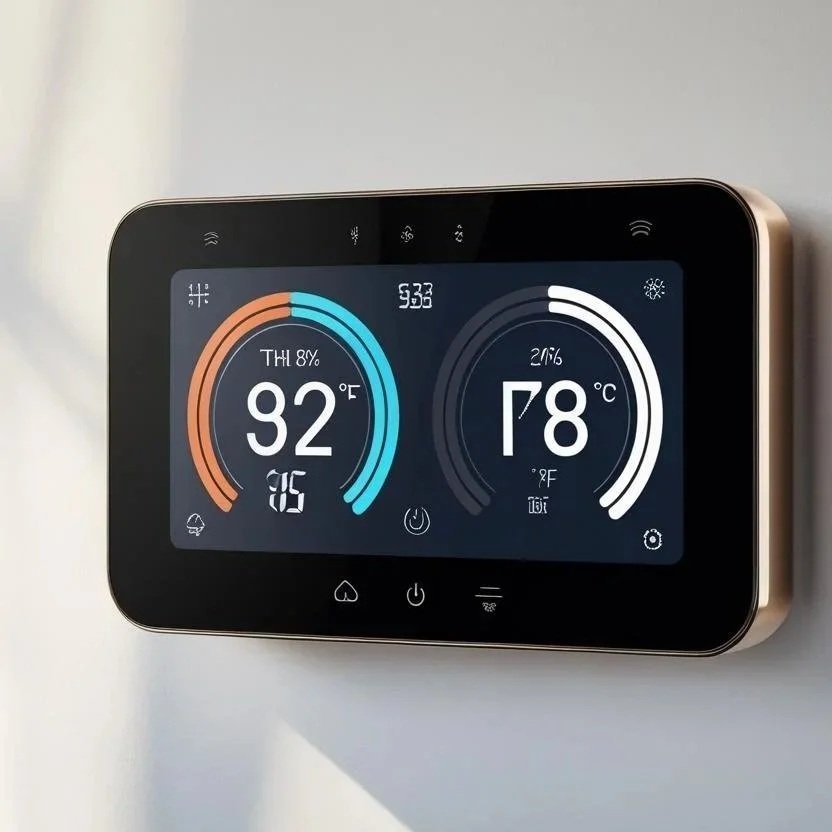
Thermostats have evolved far beyond simple dials and sliders. Today's options do more than control temperature—they act as command centers for home climate control. From intelligent learning patterns to remote operation, modern thermostat solutions bring accuracy, efficiency, and convenience together in one sleek interface.
Smart technology might feel futuristic, but its goal remains grounded: deliver consistent comfort without wasting energy or complicating everyday life. And when set up properly, it does just that.
Precision Temperature Control That Works
Older thermostats worked on guesswork and mechanical timers. Accuracy depended on a bimetallic strip reacting to heat and a little luck. Set the dial to 72, and the actual indoor temperature might hover several degrees off in either direction. Modern thermostats use electronic sensors to monitor indoor conditions with razor-sharp accuracy. There's no more drifting into uncomfortable zones before the system decides to react.
Advanced thermostats also allow for more nuanced control. Instead of just "cool" and "heat," they manage humidity levels, fan cycles, and even multi-stage systems. That level of precision leads to more stable indoor climates and fewer complaints about rooms feeling too cold or too hot.
Learning Your Habits Without Being Creepy
Some thermostats do more than follow commands—they adapt to patterns. After just a few days of use, many smart models begin to understand typicalschedules. They recognize when a home is usually occupied or empty, then adjust heating and cooling cycles to match without needing daily input.
That kind of learning isn't just about convenience. When the thermostat avoids running the system full-blast while no one's home, it reduces energy usage without sacrificing comfort. It's like having a tiny assistant who keeps track of your day and helps regulate comfort accordingly—minus the awkward conversations.
Remote Access For Real-Time Control
Remote access transforms any smartphone or tablet into a thermostat controller. Left the house in a hurry? Adjust the temperature in the car. Returning early from vacation? Cue the air conditioning from the airport. Remote access brings flexibility to HVAC control, without requiring anyone to stand in front of the thermostat.
That freedom extends to managing second homes, rental properties, or helping elderly family members maintain indoor comfort. Whether someone's nearby or hundreds of miles away, thermostat settings remain accessible and adjustable in seconds.
Zoned Comfort For Personalized Preferences
Every home has its temperature wars. One person wears sweaters in July, another wants the AC blasting in December. Zoned systems offer an elegant compromise. By pairing thermostats with dampers and room-specific sensors, different areas of the home can maintain separate temperatures based on individual preferences.
Smart thermostats sync with these zones, regulating airflow based on occupancy and user input. Bedrooms can remain cool while the kitchen stays cozy. That level of personalization not only improves satisfaction—it also prevents energy waste in rooms not currently in use.
Energy Reports That Reveal Real Insights
Some advanced thermostats generate monthly or weekly energy usage reports. They highlight when the system runs most often, how outdoor temperatures influence usage, and what could improve efficiency. That information, when viewed over time, helps homeowners spot trends, make better energy decisions, and understand how small adjustments add up.
Seeing the difference between running the HVAC for eight hours versus six becomes more than guesswork. It becomes a measurable shift, one that reflects directly in the utility bill. And when people understand what drives their energy use, they tend to make smarter choices.
Automatic Updates For Ongoing Improvements
Modern thermostats often come with firmware that updates automatically. Those updates deliver bug fixes, efficiency improvements, or new features without needing a tech visit. That means the thermostat can quietly improve behind the scenes, adapting to new equipment or integrating with additional smart devices over time.
Integration with smart home systems like voice assistants, lighting controls, or air quality monitors turns the thermostat into a central hub for comfort and automation. It plays well with others, connecting seamlessly to build a smarter, more responsive living space.
Maintenance Reminders That Help
Forgetting to replace a filter or schedule system maintenance doesn't do the HVAC system any favors. Smart thermostats can track runtime hours and send helpful reminders when something needs attention. Instead of relying on memory or sticky notes, homeowners receive prompts based on actual use.
That support helps extend the life of the HVAC system. Clean filters reduce strain on blowers, and regular checkups keep refrigerant levels and electrical components in top condition. Those reminders might seem small, but they prevent small oversights from turning into bigger problems.
Intuitive Interfaces Without The Guesswork
Old thermostats looked like spacecraft controls. Tiny screens, clunky buttons, and vague icons made adjusting settings more confusing than helpful. Today's advanced models feature large digital displays, clear menus, and user-friendly touchscreens. That visual clarity makes temperature management accessible for every age group, even those not particularly tech-savvy.
Color-coded screens, voice prompts, and simple navigation replace complex programming. Setting a schedule or switching modes takes seconds, not a fifteen-minute scan of the manual.
Thermostats That Work With All Seasons
In transitional months when the weather flips from warm to cold and back again, traditional thermostats struggle to keep pace. Many advanced models support automatic switching between heating and cooling based on current conditions. Instead of waking up freezing in spring or sweating in October, indoor comfort stays consistent no matter what chaos the forecast delivers.
Thermostats also help regulate indoor humidity, especially in models that communicate with variable-speed HVAC systems. Reducing humidity in the summer makes the air feel cooler without dropping the temperature too low. In winter, adding a little moisture prevents static shocks and dry noses without raising the heat excessively.
Customization For Every Household
Families, roommates, and even pets have different comfort needs. Some thermostats allow for profiles or user-based preferences, adjusting schedules based on who's home. Pairing that with occupancy sensors means the system reacts to actual presence rather than just relying on timers. That adaptability keeps everyone content without inflating the electric bill.
Many advanced models also offer "vacation" or "away" modes, lowering system activity while homes sit empty. That feature reduces wear and saves energy, automatically resuming regular schedules before anyone returns.
Diagnostics That Help Techs Work Faster
When something goes wrong, a thermostat often holds the clues. Advanced models can record error codes, alert users to potential system faults, or track irregular behavior. That information shortens repair time and gives HVAC professionals a clear starting point before they even step inside.
Faster diagnosis means fewer labor hours and fewer follow-up visits. Instead of poking around the attic for hours, technicians arrive informed and ready to fix the issue on the first trip.
Stepping Into Smart Comfort Without Stress
Advanced thermostat solutions bring together a unique blend of practicality and polish. They eliminate the guesswork that once defined indoor comfort and replace it with responsiveness, adaptability, and style. Whether adjusting temperature with a voice command or letting the system learn the household rhythm, these smart devices play a quiet but vital role.
Comfort shouldn't be complicated. And with modern thermostats steering the HVAC system, it doesn't have to be.
Above and Beyond Air Conditioning & Heating offers commercial and residential air conditioning and heating solutions to San Antonio, TX, business owners to maintain an ideal indoor environment. We also have expertise in providing duct installation and sealing, thermostat, thermostat replacement, Nest Thermostat installation, and indoor air quality solutions. Call us.
