
Improving Indoor Airflow with Duct Installation and Sealing
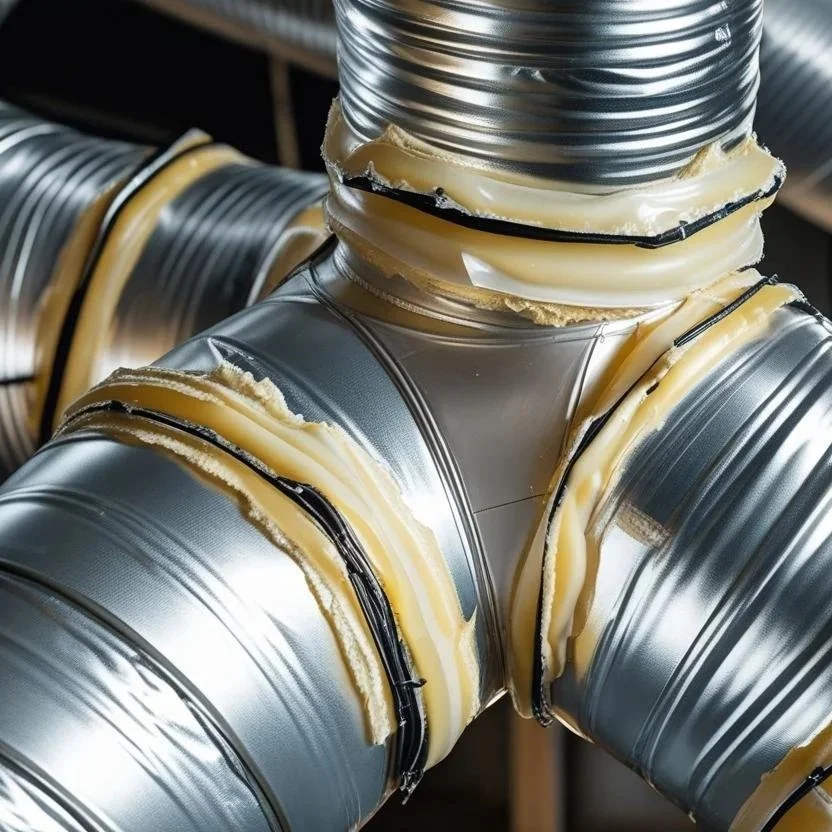
Duct installation and sealing turn airflow into something deliberate, something directed—less like a breeze in a hallway and more like air delivered on demand.
Air doesn't move itself. Behind every gust of comfort from a vent sits an intricate system of ductwork guiding air like a backstage crew, making sure the star hits the stage. When ducts do their job correctly, the heating and cooling system runs with smooth precision. When gaps, leaks, or poor designs interrupt the process, even the most powerful HVAC setup struggles to deliver results.
Duct installation and sealing aren't glamorous, but they're foundational. They turn airflow into something deliberate, something directed—less like a breeze in a hallway and more like air delivered on demand.
The Role Of Proper Duct Design
An HVAC system without a solid duct layout is like a symphony with no sheet music. The equipment may be top of the line, but the results will never quite come together. Ducts determine how air travels, where it goes, and how much of it reaches each space.
Inconsistent duct sizing, sharp bends, or excessive branching cause pressure drops that strain the blower motor and reduce airflow. Undersized return ducts choke the system, forcing fans to push harder than necessary. Oversized supply runs disperse air too thinly, leaving some rooms starved while others feel overwhelmed.
Modern duct installation focuses on balance. It pairs airflow calculations with real-world structure, building a system that doesn't fight itself. The layout follows the shortest, straightest paths possible. Transitions are smooth. Registers are placed to distribute conditioned air evenly. Once installed, the whole system moves as one.
Sealing Ducts To Contain Comfort
Leaky ducts whisper secrets to the attic, the crawlspace, or wherever they aren't supposed to deliver air. Those gaps allow conditioned air to drift away before it reaches the room it was meant to serve. At the same time, unfiltered air from dusty spaces can sneak in, polluting indoor quality and dragging comfort levels down.
Sealing ducts plugs the leaks, locks in the pressure, and cuts energy loss by large margins. Joints, seams, and plenum connections often carry the biggest leaks. Mastic sealant or specialized foil tape closes these gaps with durable, long-lasting results. Not the duct tape found in kitchen drawers—the real stuff made for actual ducts.
Beyond comfort, sealing improves system performance. Less air escapes, so the blower doesn't need to run as long or as hard. Temperatures remain stable without the system constantly adjusting to compensate for lost airflow. It's quiet progress that shows up on energy bills, too.
Reducing Energy Waste With Smarter Airflow
A well-sealed, properly installed duct system doesn't just help air flow better—it helps energy usage stay low. The furnace and air conditioner don't have to play catch-up all day. Conditioned air goes where it should, and nothing leaks into walls or crawlspaces to benefit squirrels instead of people.
When ducts lose air, the system runs longer to hit the thermostat settings. That wasted energy compounds over time. By installing ducts with tight joints and insulating runs through unconditioned spaces, the system maintains more of the air's intended temperature. Less heat is lost in winter. Less cool is wasted in summer. Everything becomes more predictable, more comfortable, and more efficient.
Improving Indoor Air Quality Along The Way
Unsealed or poorly installed ducts do more than waste energy—they open the door for airborne contaminants. Dust, insulation fibers, and moisture from basements or attics find their way inside and join the airflow heading toward living spaces. That's not just unpleasant—it's unhealthy, especially for allergy sufferers or households with sensitive respiratory systems.
Sealing ductwork protects the airflow from those outside influences. Fewer gaps mean less opportunity for pollutants to hitch a ride. Air filters can focus on internal contaminants without battling dust from forgotten attic corners. Cleaner ducts lead to cleaner breathing, with less effort from the HVAC system and fewer sneezes echoing through the house.
Customizing Ductwork To The Structure
Every building has its quirks—angled ceilings, unexpected support beams, old renovations that left things slightly off-kilter. Good duct installation takes all of that into account. It adapts rather than forces. The goal isn't just to fit the ducts into the space, but to fit them so they work well.
Custom ductwork makes a difference. It allows for even distribution of air, no matter the architectural layout. Rooms at the far end of the house don't suffer from weak flow. Upstairs spaces cool down just as easily as downstairs ones heat up. The system serves the space as a whole, not just the parts closest to the mechanical closet.
Supporting HVAC Longevity With Less Strain
A tightly sealed, balanced duct system supports every part of the HVAC unit. The blower motor fails to operate correctly when trying to overcome resistance. The compressor doesn't cycle endlessly to compensate for the loss of cool air. Everything operates within its intended range, which helps reduce wear across the board.
Fewer breakdowns mean fewer repair visits. Parts last longer. Energy use stabilizes. The overall system runs quieter, too, since it's not battling against its limitations. Air flows easily, temperatures adjust quickly, and the thermostat doesn't need to argue with the rest of the equipment.
Spotting Trouble Before It Builds
During installation or sealing work, technicians often spot problems hiding in plain sight. Sagging ducts, disconnected runs, crushed sections under floor joists—these small issues compound over time. Addressing them early keeps the system operating at its best and avoids surprise failures when demand peaks.
Inspections also reveal whether older ducts are worth keeping or if full replacement offers a better solution. Metal ducts may last decades, but flexible ducting often suffers from punctures or insulation loss. When replacement makes more sense, new ducts offer better airflow, stronger connections, and updated materials that meet current energy codes.
Preparing For Zoned Systems Or Upgrades
Proper duct installation lays the groundwork for zoning, where different parts of a building have separate climate control. Without solid ductwork, zoning fails before it starts. Sealed runs, adjustable dampers, and smart layout decisions make it possible to divide a home into manageable comfort zones without compromising overall airflow.
Zoned systems benefit larger homes, multi-story spaces, or households with variable schedules. They reduce wasted energy by focusing heating or cooling where it's needed, not blasting the entire structure. Ducts that support this strategy need to be airtight, balanced, and smartly routed from the start.
Backing Performance With Insulation
In spaces where ducts pass through unconditioned areas—attics, garages, or crawlspaces—insulation plays a key role in preserving comfort. Heat loss or gain through the metal shell of a duct affects air temperature before it ever reaches a room. A well-installed duct might still lose performance if the air inside has already changed temperatures mid-journey.
Duct insulation wraps each run with thermal protection. It prevents the winter air from warming up on the way to the vent and stops cool air from heating up under the summer sun. The extra layer transforms an ordinary duct into a true conduit for controlled air, rather than just a hollow tube along for the ride.
Duct Installation And Sealing That Pays Off
Whether installing a brand-new system or sealing up one that's been around a while, focusing on ductwork makes a tangible difference; rooms heat more evenly. Cooling arrives without delay. The thermostat stops bouncing back and forth, trying to compensate for lost air.
It's not the flashiest part of HVAC service, but ductwork is where everything comes together. With proper installation and effective sealing, the rest of the system finally has a fighting chance to do what it's meant to do: keep the air moving, the temperatures right, and the comfort easy.
Above and Beyond Air Conditioning & Heating offers commercial and residential air conditioning and heating solutions to San Antonio, TX, business owners to maintain an ideal indoor environment. We also have expertise in providing duct installation and sealing, thermostat, thermostat replacement, Nest Thermostat installation, and indoor air quality solutions. Call us.
