
How Commercial HVAC Systems Differ From Residential Units in Installation and Repair
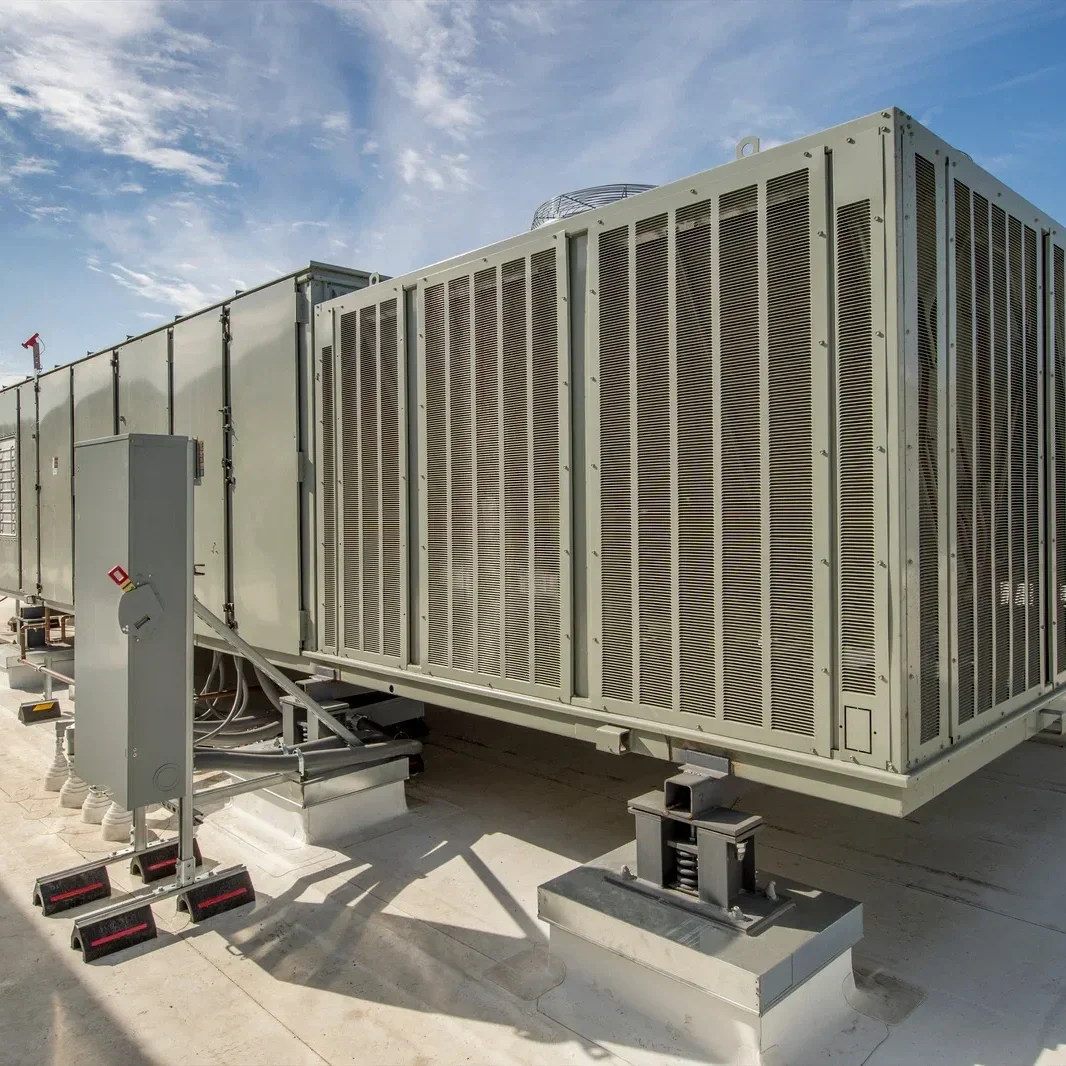
From installation to repair, commercial systems operate on a different scale with unique demands that require more planning, more power, and a more specialized touch.
Heating and cooling systems do the same essential job whether they’re tucked in a cozy home or perched on the roof of a busy office building—but the differences between residential and commercial HVAC units run deep. From installation to repair, commercial systems operate on a different scale with unique demands that require more planning, more power, and a more specialized touch.
They work hard, run often, and support a range of environments—from restaurants and retail shops to manufacturing floors and data centers. And while residential units can sometimes run quietly in the background, commercial systems rarely have the luxury of downtime. When they’re installed right and maintained well, they keep business moving without interruption. When they aren’t, everyone feels it.
Built For Bigger Loads
Residential HVAC units are made for smaller spaces with consistent use. A handful of rooms, a predictable number of people, and steady environmental conditions all play into their design. Commercial units, on the other hand, are built for size and scale. They support wide-open spaces, varied layouts, and a constantly shifting number of occupants.
That means more horsepower, higher airflow, and more complex zoning capabilities. One system might handle several offices, common areas, restrooms, and storage spaces—all with different temperature needs throughout the day. It’s not about just cooling one big room. It’s about keeping each space comfortable without burning through energy or stressing the system.
Installation Takes Strategy
Putting in a residential HVAC unit is often straightforward—there’s a designated space, a central duct system, and standard connections. Commercial systems call for more strategy. They’re often installed on rooftops to save space and reduce noise inside the building. That means cranes, structural reinforcements, and coordination with other building systems.
Installation isn’t just about placing the unit. It involves evaluating electrical loads, matching air delivery to the building’s layout, and setting up multiple zones that respond to different usage patterns. Commercial HVAC techs design the system with flexibility in mind, anticipating how the space will grow or shift in the years ahead.
More Moving Parts, More Maintenance
A typical home HVAC system has a few key components: the condenser, evaporator coil, blower, and thermostat. Commercial systems add more complexity—additional blowers, variable-air-volume boxes, rooftop units, and control panels with dozens of programmable settings. Everything works together to provide comfort at scale, but that complexity means more opportunities for wear.
Regular maintenance becomes essential. Filters need changing more frequently. Motors and belts see heavier use. Dampers, relays, and sensors require inspection and calibration. When repairs are needed, they often involve diagnosing multiple components and working with larger equipment that requires more technical experience and heavier tools.
Zoning, Sensors, and Smart Control
Commercial HVAC systems often include advanced zoning to handle the unique needs of different areas. A conference room full of people heats up fast. A back office near a loading dock may run colder. Instead of adjusting one thermostat for the whole building, zoning allows the system to distribute heating and cooling where it’s needed most.
These systems often tie into building management software that monitors energy use, tracks indoor air quality, and sends alerts when something isn’t performing right. While residential systems might have a smart thermostat, commercial setups may involve complex dashboards and remote access features designed to fine-tune performance in real time.
Repairs Aren’t One-Size-Fits-All
Repairing a residential unit often involves a single technician, a single visit, and a single replacement part. Commercial repairs are rarely that simple. A service call might require several technicians working together to diagnose problems across multiple zones or components. The parts involved are often larger, more specialized, and require faster sourcing to avoid extended downtime.
Response time matters. A malfunctioning commercial system affects more than comfort—it can disrupt work, damage sensitive inventory, or cause safety concerns in certain industries. Fast, accurate repair work, supported by knowledgeable professionals, keeps disruption to a minimum and gets things back on track.
Longevity Through Planning
A commercial HVAC system is an investment that pays off when it’s planned and maintained correctly. With the right installation and a strong maintenance schedule, these systems can serve a building for fifteen to twenty years or more. They’re designed for durability, but they rely on skilled service to keep everything running smoothly.
Professional commercial services offer that support. Regular check-ups, performance tuning, and timely upgrades all help the system adapt as the building’s needs evolve. That means fewer major breakdowns, better energy efficiency, and a more comfortable environment every season.
One Size Doesn’t Fit All
The differences between residential and commercial HVAC systems are more than just size. They involve strategy, customization, and the kind of planning that respects how buildings live and breathe. Commercial systems aren’t plug-and-play—they’re dynamic, essential infrastructure built to support everything from day-to-day operations to long-term business goals.
With the right installation and expert care, commercial HVAC systems do more than keep people cool or warm. They keep entire businesses running without interruption—and in the world of professional comfort, that kind of consistency is hard to beat.
Above and Beyond Air Conditioning & Heating offers commercial air conditioning and heating solutions to San Antonio, TX, business owners to maintain an ideal indoor environment. We also have expertise in providing duct installation and sealing, thermostat, thermostat replacement, Nest Thermostat installation, and indoor air quality solutions. Call us.
