
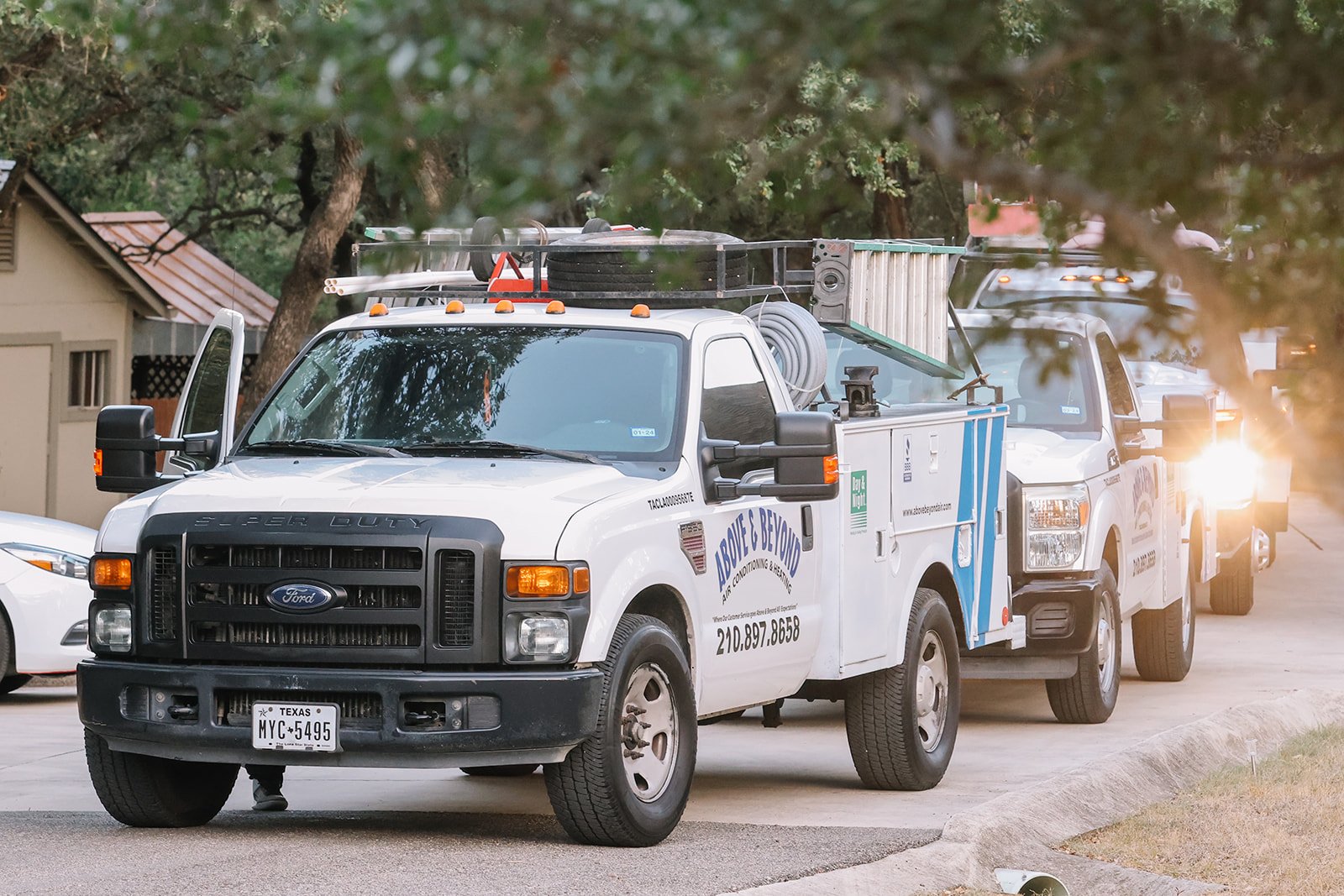
Trane AC Repair in San Antonio
We serve San Antonio, Helotes, Bulverde, Canyon Lake, New Braunfels, Schertz, and Cibolo
San Antonio's scorching summers demand reliable air conditioning, making Trane AC repair a crucial service for homeowners and businesses alike. When your Trane system falters, professional technicians stand ready to diagnose and resolve issues promptly. These experts possess in-depth knowledge of Trane's advanced technology and can efficiently tackle a wide range of problems, from refrigerant leaks to faulty compressors.
Regular maintenance performed by skilled professionals can extend the lifespan of your Trane AC unit and prevent unexpected breakdowns. Scheduling routine check-ups allows technicians to catch potential issues early, saving both time and money in the long run. During these visits, they clean or replace filters, inspect electrical connections, and verify proper refrigerant levels, keeping your system running at peak efficiency.
For those facing sudden AC failures, many San Antonio repair services offer emergency assistance around the clock. Rapid response times help minimize discomfort and protect sensitive equipment from heat damage. Whether dealing with a minor hiccup or a major malfunction, trusting your Trane AC repair to experienced professionals guarantees optimal results. These specialists utilize state-of-the-art tools and genuine Trane parts to restore your system's performance quickly and effectively. By choosing reputable Trane AC repair services in San Antonio, residents can maintain a cool, comfortable environment throughout the sweltering Texas summer months.
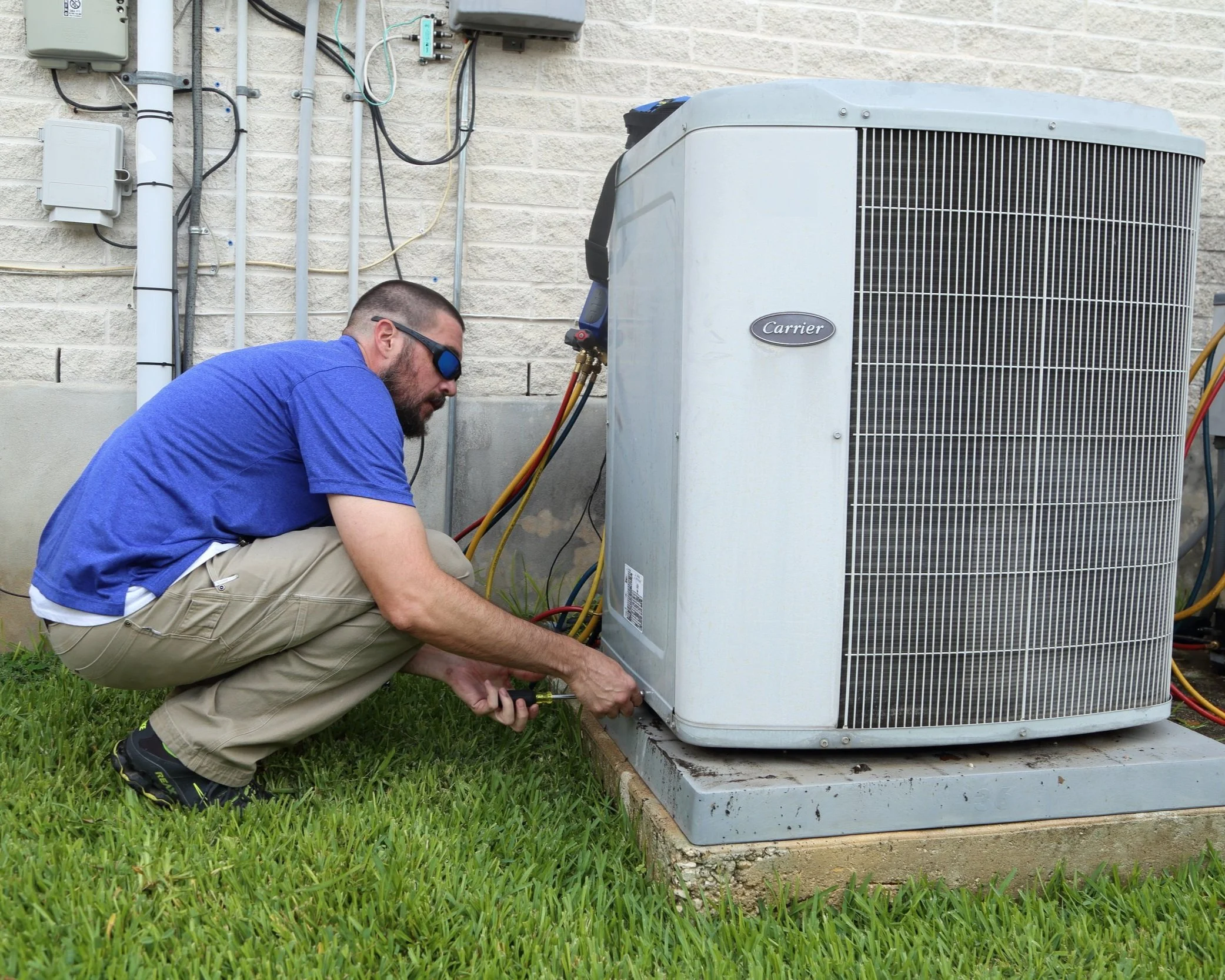
Signs You Need AC Repair
Insufficient Cooling or Heating: When an AC system struggles to maintain desired temperatures, it often signals a need for repair. The unit may run continuously without reaching the set temperature, or rooms might feel unevenly cooled. This problem can stem from various issues, including low refrigerant levels, dirty coils, or a malfunctioning thermostat. Prompt attention from a professional can identify the root cause and restore optimal cooling performance, preventing further strain on the system and potential energy waste.
Strange Noises from the Unit: Unusual sounds emanating from an AC system warrant immediate attention. Grinding, squealing, or banging noises may indicate mechanical problems such as loose components, worn bearings, or a failing compressor. Buzzing sounds could point to electrical issues while hissing might suggest a refrigerant leak. Addressing these auditory warning signs can prevent minor issues from escalating into major, costly repairs and extend the lifespan of the AC unit.
Frequent Cycling or Short Cycling: An AC system that turns on and off rapidly or runs for brief periods is experiencing short cycling. This behavior strains the system, leading to increased wear and tear, higher energy consumption, and inadequate temperature control. Causes may include an oversized unit, faulty thermostat, or refrigerant issues. Professional diagnosis and repair can resolve the underlying problem, improving system efficiency and comfort while reducing the risk of premature equipment failure.
Unusual Smells: Odd odors emanating from an AC system can indicate various problems requiring professional attention. Musty smells often signal mold growth within the unit or ductwork, posing potential health risks. Burning odors may suggest electrical issues or overheating components, which can be fire hazards if left unaddressed. Sweet smells might indicate a refrigerant leak, while rotten egg odors could point to a gas leak in nearby appliances. Swift action can mitigate these concerns.
High Energy Bills: A sudden spike in energy costs without a corresponding increase in usage often points to AC inefficiency. Aging systems, clogged filters, refrigerant leaks, or malfunctioning components can lead the unit to work harder, consuming more electricity. Regular maintenance and timely repairs can restore efficiency, reduce energy consumption, and lower utility bills. An HVAC professional can assess the system's performance and recommend appropriate solutions to optimize energy usage and comfort.
Our Reviews

AC Repair Process
Initial Assessment and Inspection: The AC repair process begins with a thorough examination of the system. A qualified technician visually inspects all components, checking for clear signs of wear, damage, or malfunction. This step includes evaluating the thermostat, air filters, ductwork, and both indoor and outdoor units. The technician also reviews the system's maintenance history and discusses any observed issues with the property owner. This comprehensive assessment forms the foundation for accurate diagnosis and effective repair strategies.
Diagnostic Testing: Following the initial inspection, technicians employ specialized tools and techniques to pinpoint the specific cause of the AC malfunction. This may involve pressure tests to check refrigerant levels, electrical testing to identify faulty wiring or components, and airflow measurements to assess system performance. Advanced diagnostic equipment can detect subtle issues that might be missed during a visual inspection. This thorough approach allows technicians to develop a precise understanding of the system's condition and formulate an effective repair plan.
Repair Recommendations: Based on the results from the assessment and diagnostic testing, the technician presents a detailed explanation of the identified issues and recommended repairs. This includes a breakdown of necessary parts, labor costs, and expected outcomes. The technician discusses various repair options, considering factors such as the system's age, overall condition, and the property owner's budget. Clear communication at this stage helps property owners make educated decisions about their AC repair needs and understand the value of the proposed solutions.
Repair Execution: Once the repair plan is approved, skilled technicians proceed with the necessary work. This may involve replacing worn components, sealing leaks, recharging refrigerant, or addressing electrical issues. Technicians use high-quality parts and follow manufacturer specifications to restore the system to optimal performance. Throughout the repair process, technicians maintain clear communication with the property owner, providing updates on progress and any unexpected findings. This hands-on phase focuses on resolving the identified issues efficiently and effectively.
Post-Repair Testing: After completing the repairs, technicians conduct comprehensive testing to verify the effectiveness of their work. This includes running the system through various operating modes, measuring temperature differentials, and monitoring performance metrics. Technicians may use thermal imaging cameras to check for any remaining hot spots or inefficiencies. This final step confirms that the AC system is functioning correctly, efficiently, and safely. Technicians also provide guidance on maintaining the repaired system to prevent future issues and optimize its longevity.
FAQs - Trane AC Repair San Antonio
-
Local technicians are skilled in Trane systems and can restore cooling quickly, critical during San Antonio’s hot summers.
-
Issues include refrigerant leaks, capacitor failures, fan motor breakdowns, and clogged drain lines.
-
Repairs range from $150 for minor fixes to over $1,000 for major component replacements.
-
Many repairs are completed same-day, with emergency services available during extreme heat.
-
Yes, most parts are covered up to 10 years if registered. Labor depends on warranty coverage.
-
Absolutely. Fixing refrigerant leaks or electrical issues restores cooling performance and efficiency.
-
Yes, most providers carry common Trane parts for faster repair service.
-
No, continued use risks damaging the compressor and other components.
-
Weak cooling, unusual noises, or higher bills are clear indicators of repair needs.
-
At the first sign of poor performance, before minor issues escalate.