
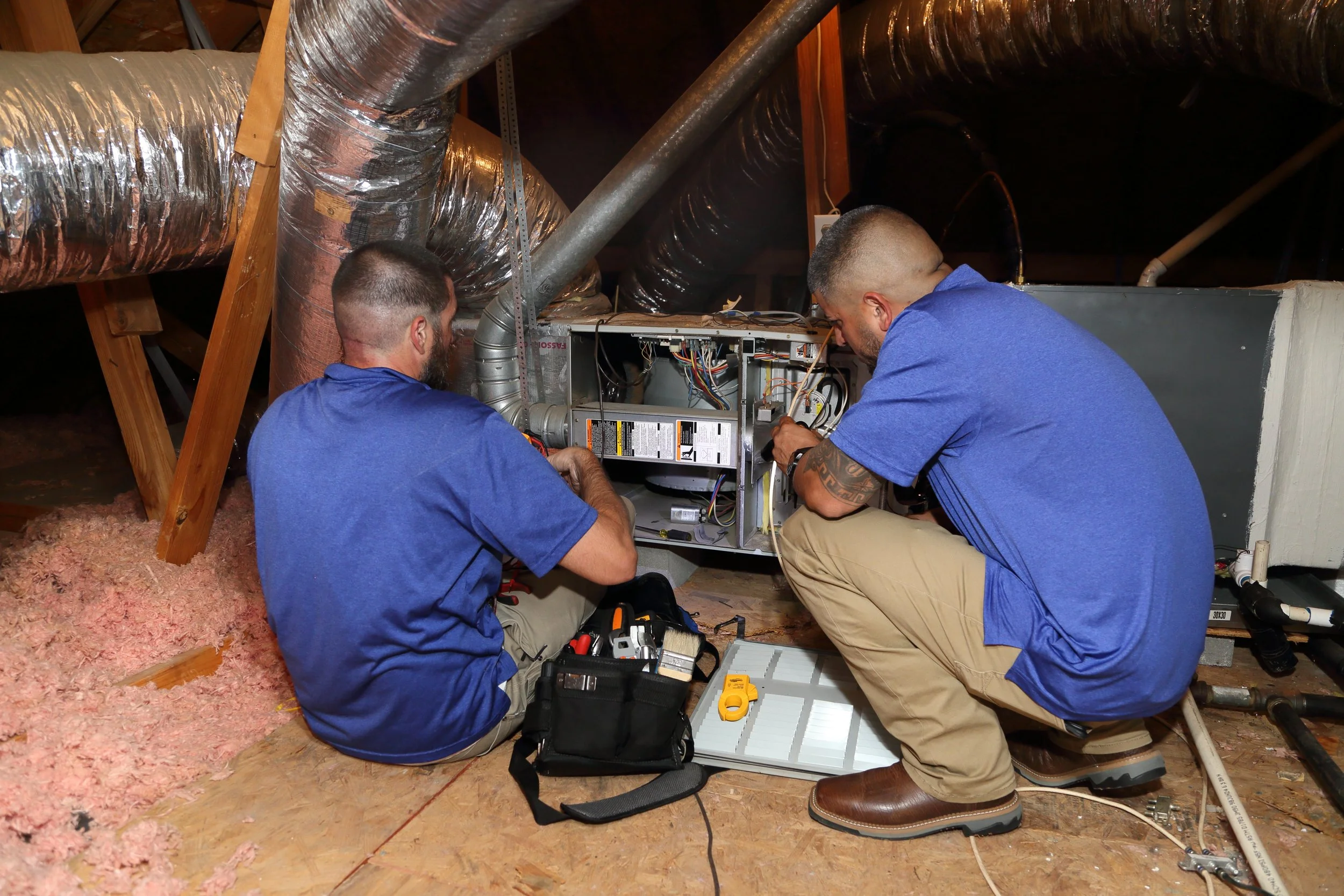
Capacitor Replacement
We serve San Antonio, Helotes, Bulverde, Canyon Lake, New Braunfels, Schertz, and Cibolo
Capacitors play a crucial role in air conditioning and heating systems' functioning by storing and releasing electrical energy to start the motors that power fans and compressors. Over time, capacitors might wear out or fail, causing frequent system shutdowns, humming noises, or a failure to start the system altogether. When a capacitor fails, it often leaves the entire system inoperable until replaced, making timely action necessary for restoring proper function.
Replacing a capacitor involves identifying and safely installing the specific unit's correct part. Technicians carefully disconnect the faulty capacitor and install the new one, ensuring that electrical connections are secure. Once the new capacitor is in place, the system is tested to confirm that the motors are running smoothly and that the system has returned to optimal performance. A new capacitor can restore the system's efficiency and help prevent further complications.
Routine inspections can identify weakening capacitors before they fail, reducing the risk of unexpected breakdowns. A properly functioning capacitor supports the overall performance and reliability of the air conditioning and heating system, contributing to energy efficiency and extending the life of the equipment. Replacing a failing capacitor promptly can prevent further issues and help maintain consistent indoor comfort.
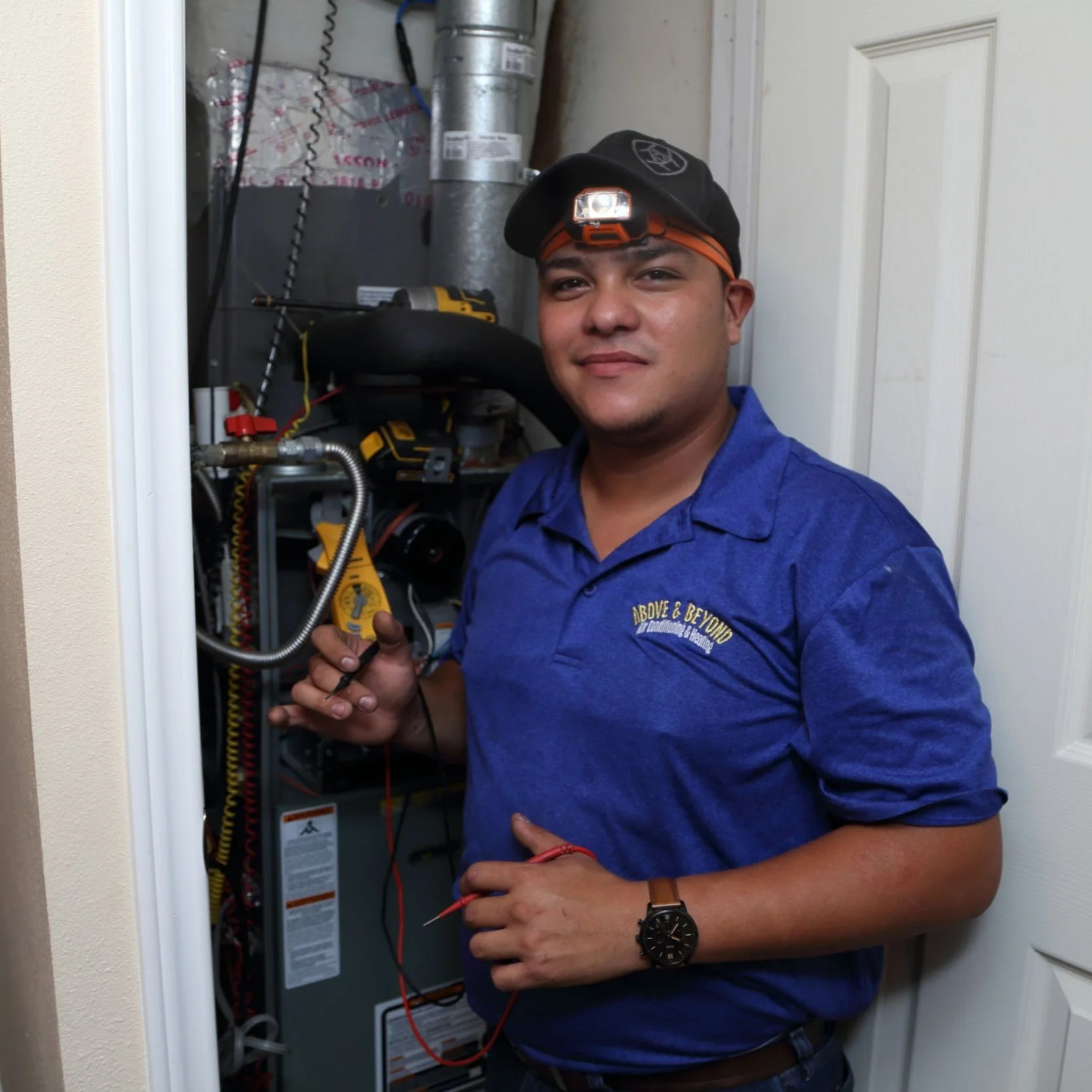
Signs a Capacitor Needs Replacement
-
A failing capacitor often results in the AC or heating system struggling to initiate. When the capacitor malfunctions, it cannot provide the necessary electrical boost to start the compressor or fan motors. This leads to the system remaining inactive despite being turned on. Sometimes, the system might attempt to start but quickly shut off. Homeowners may hear a clicking sound as the system tries to engage but fails to activate fully. This issue is particularly noticeable during peak usage times or after periods of inactivity.
-
A distinctive sound emanating from the outdoor unit is a telltale of a capacitor issue. This noise occurs when the capacitor fails to provide sufficient power to start the compressor or fan motor. The components attempt to run but lack the necessary electrical charge, resulting in a persistent humming. A slight vibration of the unit may accompany this sound. The humming typically continues until the system is manually turned off or the circuit breaker trips. Prompt attention to this symptom can prevent further damage to other components.
-
A failing capacitor can cause erratic system behavior. The AC or heating system may start and run normally for short periods before unexpectedly shutting down. This cycle of starting and stopping can be repeated multiple times throughout the day. In some instances, the system might operate normally during milder weather but struggle during extreme temperatures when more power is required. This inconsistent performance affects comfort and stresses other system components, potentially leading to more extensive damage if addressed.
-
A malfunctioning capacitor forces the air conditioning and heating system to work harder, consuming more energy to maintain desired temperatures. This increased energy usage results in noticeably higher utility bills. The system may run for longer periods or cycle on and off more frequently as it struggles to meet temperature demands. Other components may also draw more power to compensate for the capacitor's inadequacy, increasing energy consumption. This inefficiency impacts costs and reduces the overall lifespan of the system if not promptly addressed.
Our Reviews
Our Capacitor Replacement Process
-
Initial inspection and diagnosis
The process begins with comprehensively examining the air conditioning and heating system. Technicians use specialized tools to test the capacitor's performance and electrical output. They also inspect surrounding components for any signs of damage or wear resulting from the faulty capacitor. This assessment allows technicians to confirm that the capacitor is the problem's source and identify any additional issues that may need addressing.
-
Safely disconnecting power
Before any work begins, technicians follow strict safety protocols to disconnect power to the air conditioning and heating system. This involves turning off the main power supply and the disconnect switch near the outdoor unit. The power is then tested to confirm complete disconnection, eliminating any risk of electrical shock during the replacement process. Technicians may also place safety tags or locks on the power sources to prevent accidental reactivation. This step is critical for both technician safety and the protection of the equipment.
-
Removing the faulty capacitor
Technicians carefully remove the old capacitor once the power is safely off. This process involves disconnecting the wires attached to the capacitor and noting their positions for proper reinstallation. The technician then unscrews or unclips the capacitor from its mounting bracket. Special care is taken to avoid damaging surrounding components during removal. According to local regulations, the old capacitor is properly disposed of as it may contain harmful materials. This step requires precision and attention to detail to prepare for the new installation.
-
Installing a new, high-quality capacitor
The technician selects a new capacitor that matches the specifications of the original, considering factors like microfarad rating and voltage. Wires are carefully reconnected, ensuring proper polarity and tight connections. Technicians double-check all connections and the mounting to prevent any future issues. A high-quality capacitor is emphasized to enhance system reliability and longevity. This step is crucial for restoring optimal air conditioning and heating system performance.
-
Testing the system
After installation, power is safely restored to the HVAC system. Technicians then run a series of tests to verify proper operation. This includes checking for correct voltage output from the capacitor and observing the smooth start-up of the compressor and fan motors. The system can run through a complete cycle to confirm consistent performance. Technicians monitor for any unusual sounds or behaviors. This comprehensive testing phase validates the success of the replacement and confirms that the HVAC system is functioning efficiently and safely.
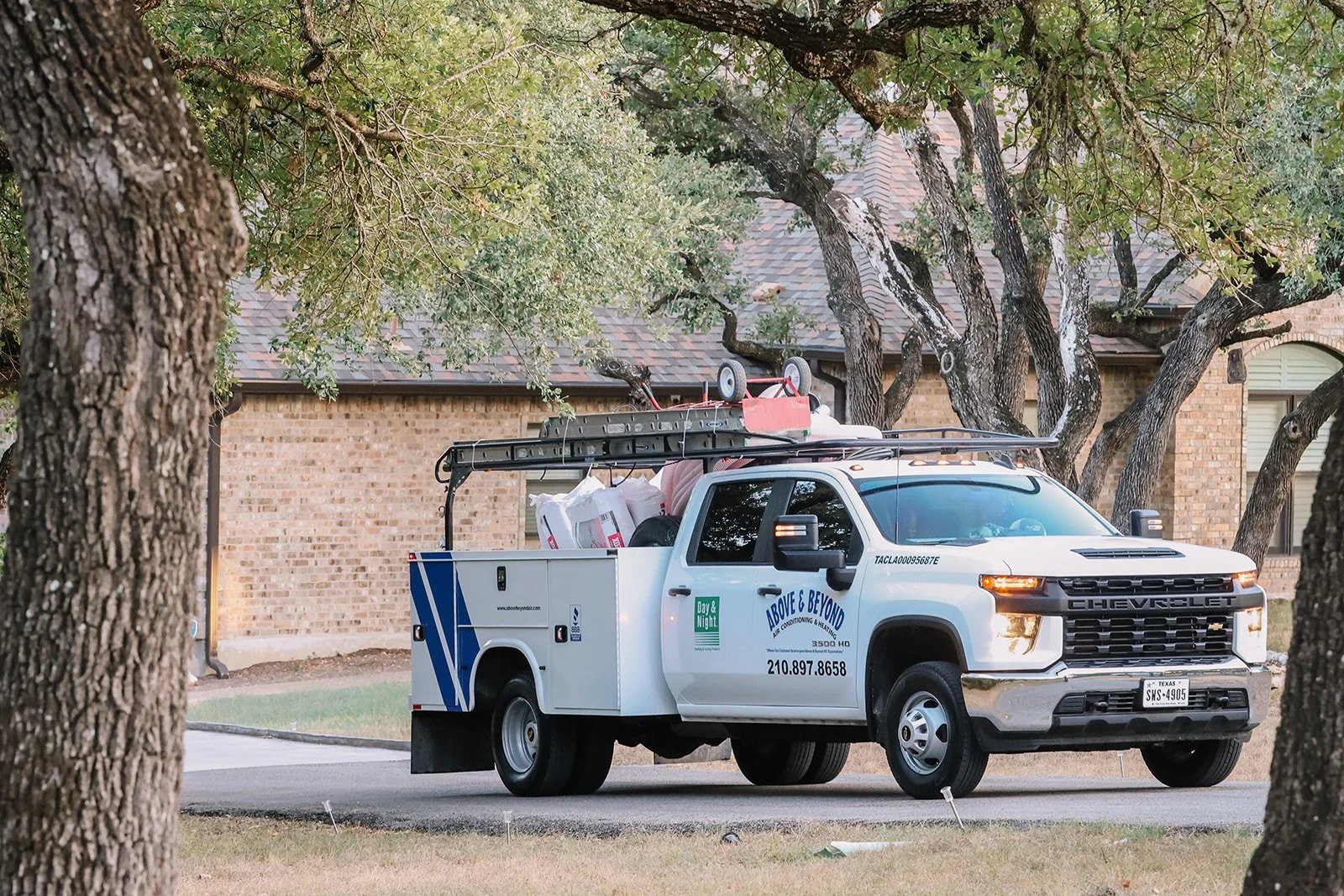
Why Choose Above & Beyond Air Conditioning & Heating for Capacitor Replacement in San Antonio
-
Our team of highly skilled professionals has extensive experience in air conditioning systems, particularly in capacitor diagnostics and replacement. These technicians undergo regular training to stay current with industry standards and technologies. Their expertise allows for quick and accurate identification of capacitor issues, efficient replacement procedures, and comprehensive system checks. With a deep understanding of various models and configurations, our technicians provide tailored solutions that address the immediate problem and enhance overall system performance and longevity.
-
We employ advanced diagnostic tools and techniques to assess air conditioning and heating systems. Our approach goes beyond simple capacitor testing, encompassing an evaluation of the entire system. This comprehensive diagnosis helps identify any underlying issues or potential problems contributing to the capacitor failure. By addressing these related issues, we provide a more complete solution, reducing the likelihood of future breakdowns. Our diagnostic process is designed to be thorough yet efficient, minimizing downtime while maximizing the effectiveness of the repair.
-
As a San Antonio-based company, we possess in-depth knowledge of the unique air conditioning and heating challenges the local climate poses. Our familiarity with the region's weather patterns and common issues allows us to provide more targeted and effective solutions. We understand the importance of reliable cooling systems in San Antonio's hot summers and can quickly respond to urgent capacitor replacement needs. Our local presence also means faster response times and a better understanding of local building codes and regulations relevant to these systems.
-
We are committed to environmentally responsible service practices. This commitment extends to our capacitor replacement process, where we properly dispose of old capacitors following environmental regulations. We prioritize the use of energy-efficient replacement parts that can help reduce overall energy consumption in air conditioning and heating systems. Our technicians are trained in sustainable practices and can provide recommendations for improving system efficiency. By choosing our services, customers contribute to reducing their environmental impact while maintaining optimal performance.
For reliable capacitor replacement services in San Antonio, TX, contact Above & Beyond Air Conditioning & Heating. our expertise guarantees efficient and effective solutions for your air conditioning and heating needs.
FAQs
-
Capacitors help start and run your AC motor. A failing capacitor means your system may not cool properly during San Antonio’s hot months.
-
Clicking sounds, the AC not starting, or frequent system shutdowns are common signs of capacitor issues.
-
Costs typically range from $150–$350, depending on the unit. It is a relatively affordable repair for San Antonio homeowners.
-
Most replacements take under an hour, restoring your system quickly.
-
Yes, many manufacturers cover capacitors under their standard 5–10 year warranties.
-
Heat, electrical surges, and heavy use are common causes of capacitor breakdowns.
-
No, due to electrical risks, capacitor replacement should be handled by licensed technicians.
-
Yes, annual inspections help detect early issues and extend component life.
-
Yes, most providers stock capacitors, allowing for same-day repairs.
-
Typically 5–10 years, depending on system use and exposure to heat.