
What Homeowners Can Expect From an Oversized AC Unit
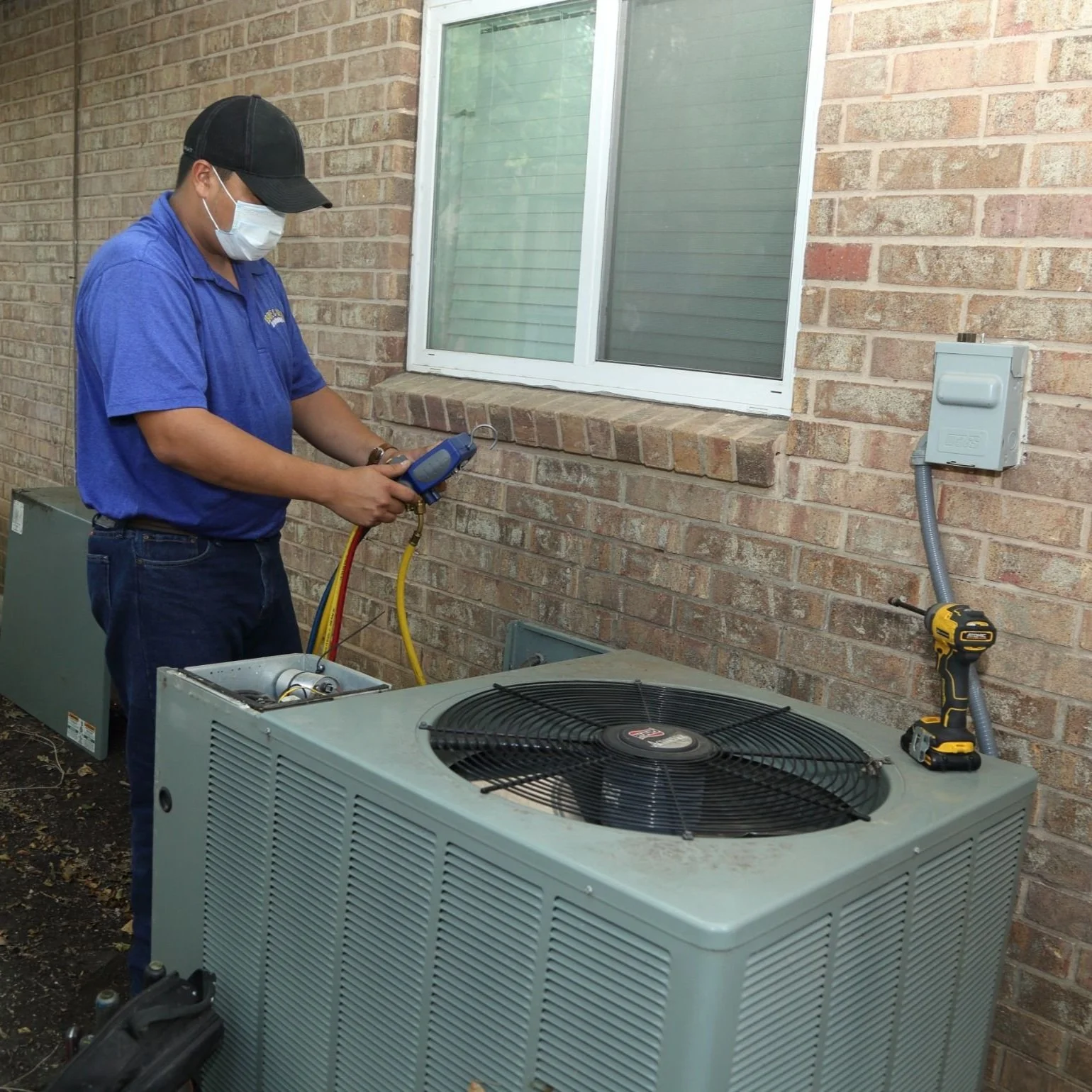
An air conditioner that is too powerful for a home can lead to inconsistent temperatures, with some rooms too hot and others too cold, and a cooling services technician should be consulted to assess the unit.
When it comes to air conditioning, many homeowners assume that bigger is better. The logic seems simple: a larger air conditioner should cool your home faster and keep you more comfortable. However, this is a common misconception that can lead to a host of problems. An oversized air conditioner, or one that is too powerful for your space, can actually reduce comfort, increase costs, and even shorten the lifespan of your HVAC system. Here’s what you need to know about the risks of an oversized AC unit and how to address them.
Frequent short cycling
One of the most noticeable symptoms of an oversized air conditioner is frequent short cycling. In a properly sized system, the AC will run a cooling cycle that typically lasts between seven and ten minutes, allowing it to gradually cool the space and remove humidity. An oversized AC, on the other hand, cools the home so quickly that it shuts off before completing a full cycle. This rapid on-off operation, known as short cycling, happens repeatedly throughout the day.
Short cycling puts extra strain on your air conditioner’s components, leading to accelerated wear and tear. Over time, this can result in more frequent breakdowns, higher repair costs, and a shorter overall lifespan for your AC unit. The compressor and other critical parts are especially vulnerable to damage from constant starting and stopping.
Inconsistent comfort and uneven temperatures
Another common problem with oversized air conditioners is inconsistent comfort. Because the unit cools the air so quickly, it often shuts off before the cool air has a chance to circulate evenly throughout the home. This leads to hot and cold spots, where some rooms are too cold while others remain uncomfortably warm. Rooms located farther from the thermostat may never reach the desired temperature before the AC cycles off. Homeowners often find themselves constantly adjusting the thermostat in an attempt to achieve consistent comfort, but the problem persists until the system is properly sized.
Excess humidity and poor air quality
One of the most important functions of an air conditioner is to remove humidity from the air. When an AC is properly sized, it runs long enough to pull moisture out of the air, leaving your home feeling cool and dry. An oversized unit, however, doesn’t run long enough to dehumidify the air effectively. As a result, your home can feel damp, clammy, or “sticky,” even when the temperature is set low.
High indoor humidity can also lead to other problems, such as mold and mildew growth, musty odors, and increased dust mite activity. These issues can negatively affect indoor air quality and pose health risks, especially for those with allergies or respiratory conditions.
Higher energy bills
While it might seem that a larger AC would use less energy by cooling your home faster, the opposite is often true. Short cycling uses more energy because the system consumes a significant amount of power each time it starts up. The constant cycling on and off throughout the day leads to higher electricity bills compared to a properly sized system that runs longer, more efficient cycles. In addition, the increased wear and tear from short cycling can lead to costly repairs and premature replacement, adding to your overall expenses.
Shortened system lifespan
The frequent on-off cycles of an oversized air conditioner not only increase energy consumption but also take a toll on the system’s components. The compressor, in particular, is designed for a certain number of cycles over its lifetime. When those cycles occur more frequently than intended, the compressor and other parts wear out faster, leading to more frequent repairs and a shorter lifespan for the entire system. In many cases, homeowners with oversized AC units find themselves needing to replace their system much sooner than expected.
Noise and comfort issues
Oversized air conditioners can also be noisier than properly sized units. The powerful compressor and fan may create more noticeable sounds during operation, and the frequent cycling can be disruptive, especially at night. Additionally, the rapid cooling can cause drafts or uncomfortable temperature swings, making it difficult to maintain a pleasant indoor environment.
Environmental impact
An oversized AC system not only affects your comfort and wallet but also has a broader environmental impact. The increased energy consumption contributes to a larger carbon footprint, and the need for more frequent repairs and replacements results in additional waste and resource use. Choosing the right size AC system is not only better for your home but also for the planet.
Common symptoms of an oversized AC unit
Frequent short cycling (turning on and off rapidly)
Uneven temperatures or hot and cold spots in the home
High indoor humidity and a “clammy” feeling
Increased electricity bills
Noisy operation
Frequent AC repairs or premature system failure
Musty odors or visible mold growth
How to correct an oversized air conditioner
If you suspect your air conditioner is too large for your home, it’s important to consult with a professional HVAC contractor. Here are some steps and potential solutions:
Professional assessment: A qualified technician can evaluate your home’s cooling needs by performing a load calculation, which takes into account square footage, insulation, ductwork, and local climate. This ensures any future replacement is properly sized.
Smart thermostat: Installing a programmable or smart thermostat can help manage short cycling by optimizing temperature and humidity settings, but it won’t solve the root problem.
Dehumidification: Adding a ducted or stand-alone dehumidifier can help control excess moisture, improving comfort and air quality when the AC alone isn’t sufficient.
Ductwork modifications: In some cases, adding additional supply ducts to under-served areas (like a garage or bonus room) can help distribute excess cooling capacity and reduce cycling.
Fan speed adjustments: Lowering the fan speed can create longer run cycles and improve dehumidification, but this should only be done by a professional.
System replacement: The most effective long-term solution is to replace the oversized AC with a properly sized unit. While this is an investment, it will pay off in improved comfort, lower energy bills, and a longer-lasting system.
Why professional sizing matters
Proper sizing is crucial for any HVAC system. A reputable contractor will use industry-standard calculations to determine the right size for your home, considering all relevant factors. Avoid the temptation to “go bigger” for peace of mind—bigger is not better when it comes to air conditioning.
An oversized air conditioner can create more problems than it solves, from short cycling and high humidity to increased costs and reduced comfort. If you’re experiencing any of these symptoms, reach out to a trusted HVAC professional for an assessment. With the right guidance and a properly sized system, you’ll enjoy consistent comfort, lower bills, and a healthier home for years to come.
Call Above and Beyond Air Conditioning & Heating at (210) 761-7747 for any AC installation, AC maintenance, AC replacement, AC tuneup, and condenser coil cleaning needs in San Antonio, TX. We are a licensed company ensuring top-quality solutions.
