
Understanding the Normal Heating Cycle of a Furnace
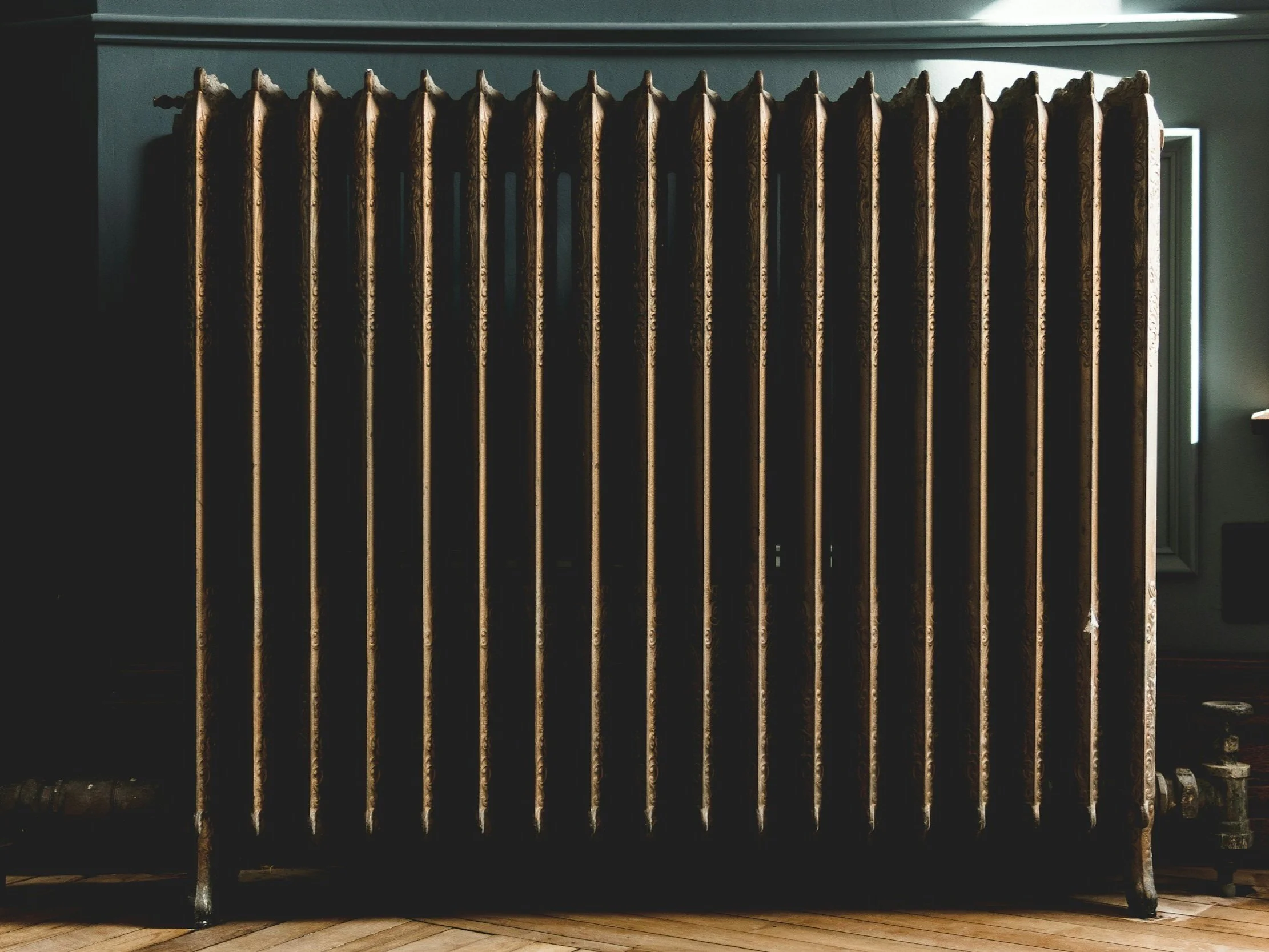
A furnace typically cycles on and off two to three times per hour, with each cycle lasting 10 to 15 minutes, influenced by factors like insulation, outdoor temperature, and furnace age.
A well-functioning furnace is the heart of a comfortable home during the winter months. But many homeowners wonder if their furnace is running too long, not long enough, or cycling on and off too frequently. Understanding a furnace's normal heating cycle can help you determine if your system is operating efficiently or if it might need professional attention.
What is a furnace cycle?
A furnace cycle is when your furnace turns on, heats your home to the desired temperature, and then shuts off. This process repeats throughout the day as the thermostat senses temperature changes and signals the furnace to maintain the set comfort level. Each “on” and “off” sequence is considered one cycle.
Typical furnace run time and cycles per hour
In most homes with average insulation and no extreme outdoor temperatures, a typical furnace will cycle on and off about two to three times per hour. Each cycle usually lasts between 10 and 15 minutes. This means your furnace should be running for about 20 to 45 minutes every hour, depending on factors such as:
The outdoor temperature
The quality of your home’s insulation
The size and efficiency of your furnace
The desired indoor temperature set on the thermostat
If the furnace runs much longer or shorter than this average, it doesn’t necessarily mean a problem. Shorter or longer cycles may occur during particularly cold weather or if your home heats up or loses heat more quickly due to insulation, window quality, or other factors.
How often should my furnace kick on?
Under normal conditions, your furnace should kick on two or three times each hour. If you notice your furnace turns on and off far more frequently (short cycling) or runs for very long periods without shutting off, it may be time to investigate further.
What affects the length of a furnace cycle?
Several factors can influence how long the furnace runs during each cycle:
Outdoor temperature: Colder weather means your furnace must run longer and possibly more frequently to maintain a comfortable indoor temperature.
Insulation: Well-insulated homes retain heat better, leading to shorter and less frequent heating cycles. Poor insulation can cause heat to escape quickly, making the furnace work harder.
Furnace size: An oversized furnace will heat your home too quickly and shut off before completing a full cycle, while an undersized furnace may run almost constantly trying to keep up.
Thermostat setting: The higher you set the thermostat, the more often and longer your furnace will run.
Age and efficiency: Older or less efficient furnaces may have longer cycles as they struggle to reach the set temperature.
Causes of frequent furnace cycling (short cycling)
If your furnace is cycling on and off much more frequently than normal, this is known as short cycling. It’s a common issue that reduces efficiency, increases wear and tear, and results in higher energy bills.
Common causes include:
Dirty furnace filter
A clogged or dirty air filter restricts airflow, causing the heat exchanger to overheat. When this happens, the furnace’s safety controls will shut the system down to prevent damage, resulting in frequent on-off cycles.
Thermostat issues
A malfunctioning thermostat or faulty sensors can cause the furnace to turn on and off erratically. Low batteries or poor placement (such as near a draft or heat source) can also lead to inaccurate temperature readings and irregular cycling.
Improper furnace size
If your furnace is too large for the home, it heats the space quickly and then shut off, only to turn on again soon after as the temperature drops. This rapid cycling puts extra stress on the system. Conversely, a too small furnace may run almost continuously, struggling to reach the desired temperature.
Blocked or closed vents
If supply or return vents are blocked by furniture or closed, airflow can be restricted, causing the furnace to overheat and cycle off prematurely.
Other mechanical issues
Problems such as a malfunctioning flame sensor, blower motor, or control board can also cause abnormal cycling. These issues usually require professional diagnosis and repair.
When to call a professional
While occasional variations in cycle length are normal, consistent short cycling, unusually long cycles, or significant changes in your furnace’s behavior may signal a problem. If you notice any of the following, it’s a good idea to contact a heating professional:
Your furnace is turning on and off more than three times an hour during mild weather
Each cycle lasts only a few minutes or seems excessively long
Your home never feels warm, even though the furnace is running
Your energy bills have increased without a clear explanation
You hear unusual noises or notice the furnace struggling to start
A professional technician can inspect the system, check for airflow issues, test the thermostat, and ensure your furnace is properly sized and operating efficiently.
Tips for maintaining a healthy furnace cycle
Change your air filter regularly (every 1-3 months, depending on use and filter type)
Contact a qualified HVAC technician to schedule annual maintenance
Keep vents and registers open and unobstructed
Ensure that the thermostat is installed in a central location, away from drafts or direct sunlight
Address insulation issues to help your home retain heat more effectively
Understanding the furnace's normal heating cycle helps spot issues early and keep the home comfortable all winter long. Most furnaces run two to three cycles per hour, and each cycle lasts 10 to 15 minutes. If you notice unusual cycling behavior, don’t hesitate to consult a professional for peace of mind and to ensure your system runs efficiently for years.
If you need experienced and trained technicians for furnace installation, furnace maintenance, furnace replacement, and furnace repair, contact Above and Beyond Air Conditioning & Heating at (210) 761-7747. Emergency services are available 24/7.
