
Simple Ways to Check if a Heater is Energy Efficient
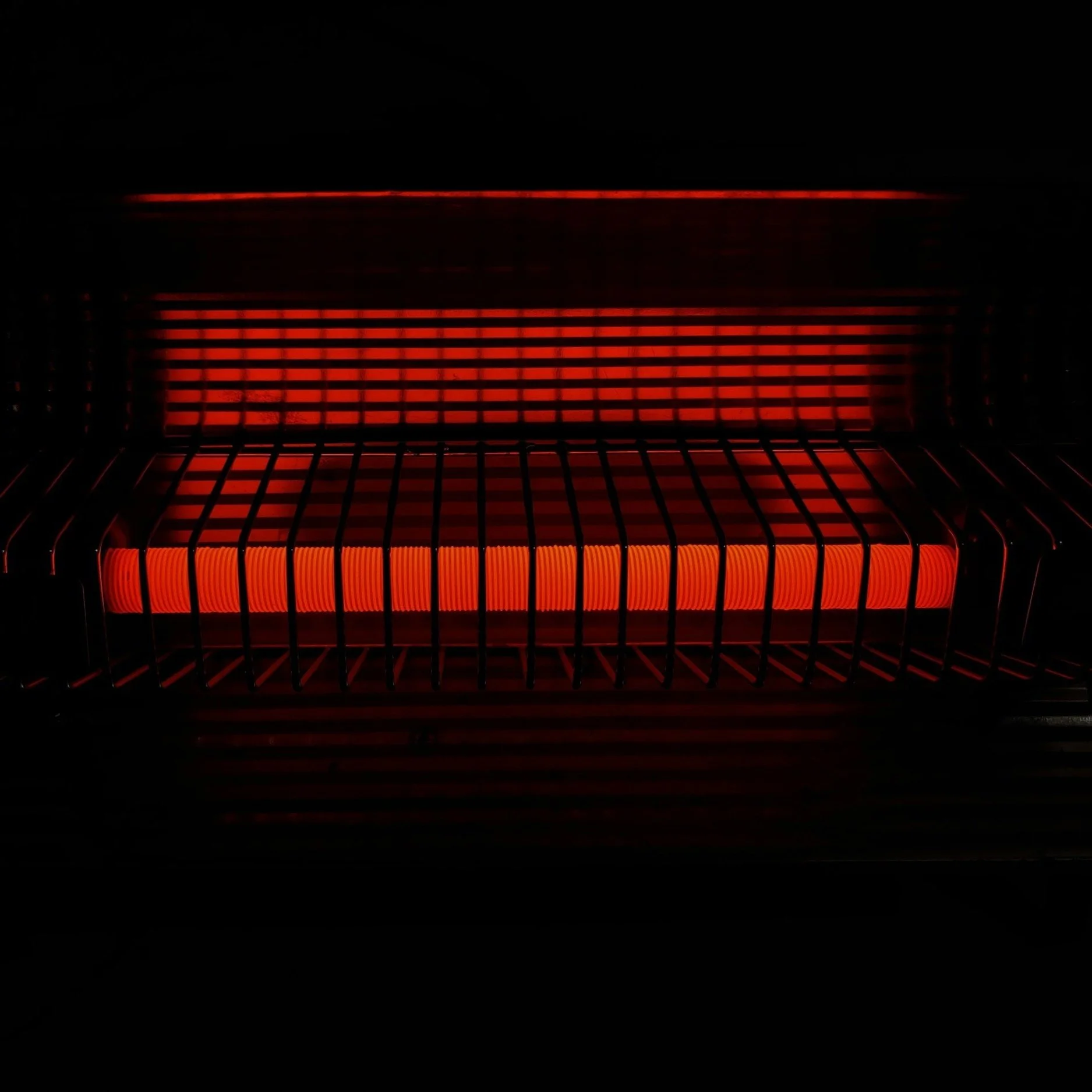
Heaters vary in type and efficiency, so it is important to understand the options to save energy and money.
Heating your home is often one of the largest contributors to your energy bill, so understanding heater energy efficiency is key to saving money and reducing your environmental impact. Whether you’re considering a new heater or evaluating your current system, knowing how to tell if a space heater is energy efficient—and how much electricity it uses—can help you make smarter choices.
Understanding heater efficiency
Heater efficiency refers to how well a heater converts energy (from electricity, natural gas, oil, or other fuels) into usable heat. The higher the efficiency, the more of the input energy is converted to heat, and the less is wasted. For electric heaters, efficiency at the point of use is typically 100%—every watt of electricity is turned into heat. However, the overall cost-effectiveness and environmental impact depend on the type of heater, your local energy rates, and how the heater is used.
Key efficiency ratings
Annual Fuel Utilization Efficiency (AFUE): For furnaces and boilers, the AFUE rating measures how much fuel is converted into heat over the course of a year. A higher AFUE means greater efficiency. Modern high-efficiency furnaces can have AFUE ratings of 90% to 98%, while older models may be as low as 56%.
Heating Seasonal Performance Factor (HSPF): For heat pumps, this rating measures efficiency over a heating season. The higher the HSPF, the more efficient the unit.
Energy Star label: Heaters with the Energy Star label meet strict efficiency guidelines set by the EPA and Department of Energy. These models are often 10-40% more efficient than standard models and may qualify for rebates or tax credits.
How to check if your heater is energy efficient
Examine the label and ratings
Most heaters display an energy efficiency label or sticker, often showing the AFUE rating for furnaces or the HSPF for heat pumps. Electric heaters may show wattage and estimated yearly operating cost. Look for the Energy Star label as a quick indicator of high efficiency.
Compare the Energy Guide
The yellow Energy Guide label, required on many appliances, provides a comparison of energy use and estimated annual operating costs. This makes it easy to compare models side by side and choose the most efficient one for your needs.
Monitor your energy consumption
Track your utility bills or use a smart energy monitor to see how much energy your heater uses over time. An efficient heater will maintain comfort with lower, more consistent energy use.
Assess heating performance
Efficient heaters heat spaces quickly and maintain a steady temperature without frequent cycling. If your heater struggles to reach the desired temperature or causes hot and cold spots, it may not be operating efficiently.
Consider the size
A properly sized heater is crucial for efficiency. Oversized units cycle on and off too often, wasting energy, while undersized units run constantly and still may not keep you warm. A professional can calculate your heating load based on your home’s size, insulation, and climate to recommend the right size.
Types of heaters and their efficiency
Electric heaters
All electric resistance heaters—such as baseboards, fan heaters, and most space heaters—are 100% efficient at converting electricity into heat at the point of use. However, the overall efficiency can be affected by how heat is delivered and whether you’re heating the whole home or just one room. Electric convection heaters, for example, work best in well-insulated spaces and can be enhanced with features like programmable thermostats and smart controls.
Heat pumps
Heat pumps (including ductless mini-splits and air-source heat pumps) are among the most energy-efficient options available. Instead of generating heat, they move heat from outside to inside, often delivering 200% to 450% efficiency—meaning you get two to four times more heat than the electricity you use. Heat pumps are ideal for whole-home heating and can significantly reduce your utility bills.
Fuel-based heaters
Gas, oil, and propane heaters vary in efficiency. Modern condensing furnaces and boilers can reach up to 98% efficiency, but older systems may be much less efficient. When comparing fuel types, remember that fuel cost and energy density affect your total operating cost, not just the efficiency percentage.
Space heaters
Space heaters are popular for heating small areas or supplementing central heating. Most use 1,500 watts (1.5 kW) of electricity at full power. If you run a space heater for 8 hours a day, it can use about 360 kWh per month, costing $50 or more depending on your electricity rate. While space heaters are 100% efficient at converting electricity to heat, they can be costly if used for long periods or to heat large spaces.
Are space heaters energy efficient?
Space heaters can be energy efficient when used strategically—such as heating only one room while lowering the thermostat for the rest of the house. This targeted approach can save energy compared to heating the entire home. However, using multiple space heaters throughout the house is generally less efficient than using a central heating system, especially if your home is well insulated and your central system is modern and efficient.
Convection heater energy efficiency
Convection heaters provide steady, even warmth by circulating air naturally. They are best used in well-insulated rooms to minimize heat loss. Features like built-in thermostats, timers, and smart controls can further improve efficiency by preventing unnecessary operation. For example, a 1,500-watt convection heater can efficiently heat a 150-square-foot room, costing about $0.18 per hour to run at an average electricity rate.
How much electricity does a space heater use per month?
A typical 1,500-watt space heater used for 8 hours per day will consume about 360 kWh per month. At an average rate of $0.15 per kWh, that’s about $54 per month. Usage, local rates, and heater settings will affect your actual cost.
Tips for maximizing heater energy efficiency
Seal and insulate: Reduce heat loss by sealing drafts and insulating your home. This helps any heater work more efficiently and keeps you comfortable for less money.
Use programmable or smart thermostats: These allow you to set schedules and avoid heating empty rooms, saving energy and money.
Maintain your system: Change filters regularly and schedule annual professional maintenance to keep your heater running at peak efficiency.
Choose the right size: Ensure that the heater matches the space's size for optimal performance and efficiency.
Use zone heating: Only heat the rooms you use most, and keep doors closed to retain warmth.
Upgrade to high-efficiency models: If the heater is old, consider upgrading it with a new, high-efficiency model. Look for high AFUE, HSPF, or Energy Star ratings for the best performance and savings.
Benefits of energy-efficient heaters
Lower energy bills: Efficient heaters use less energy to provide the same amount of heat, reducing your monthly costs.
Smaller carbon footprint: Using less energy means fewer greenhouse gas emissions, especially if you choose electric heaters powered by renewable energy.
Improved comfort: Efficient heaters maintain a more consistent temperature and respond faster to changes in demand.
Longer equipment life: Lower energy use and less cycling can extend the life of your heater.
Potential rebates and tax credits: Many high-efficiency heaters qualify for incentives that can offset the initial cost.
Checking if your heater is energy efficient doesn’t have to be complicated. Look for efficiency labels, monitor your energy use, and pay attention to how well your heater maintains comfort. By choosing the right type, size, and features—and maintaining your system properly—you can enjoy a warm home while saving energy and money. If you’re unsure about your heater’s efficiency or need help selecting a new model, consult a heating professional for expert advice tailored to your home.
Above and Beyond Air Conditioning & Heating takes pride in providing top-notch boiler services, heat pump installation, heat pump repair, heat pump maintenance, and blower motor replacement solutions to San Antonio, TX, residents—call (210) 761-7747 to learn more.
