
How to Improve the Air Quality of a Restaurant
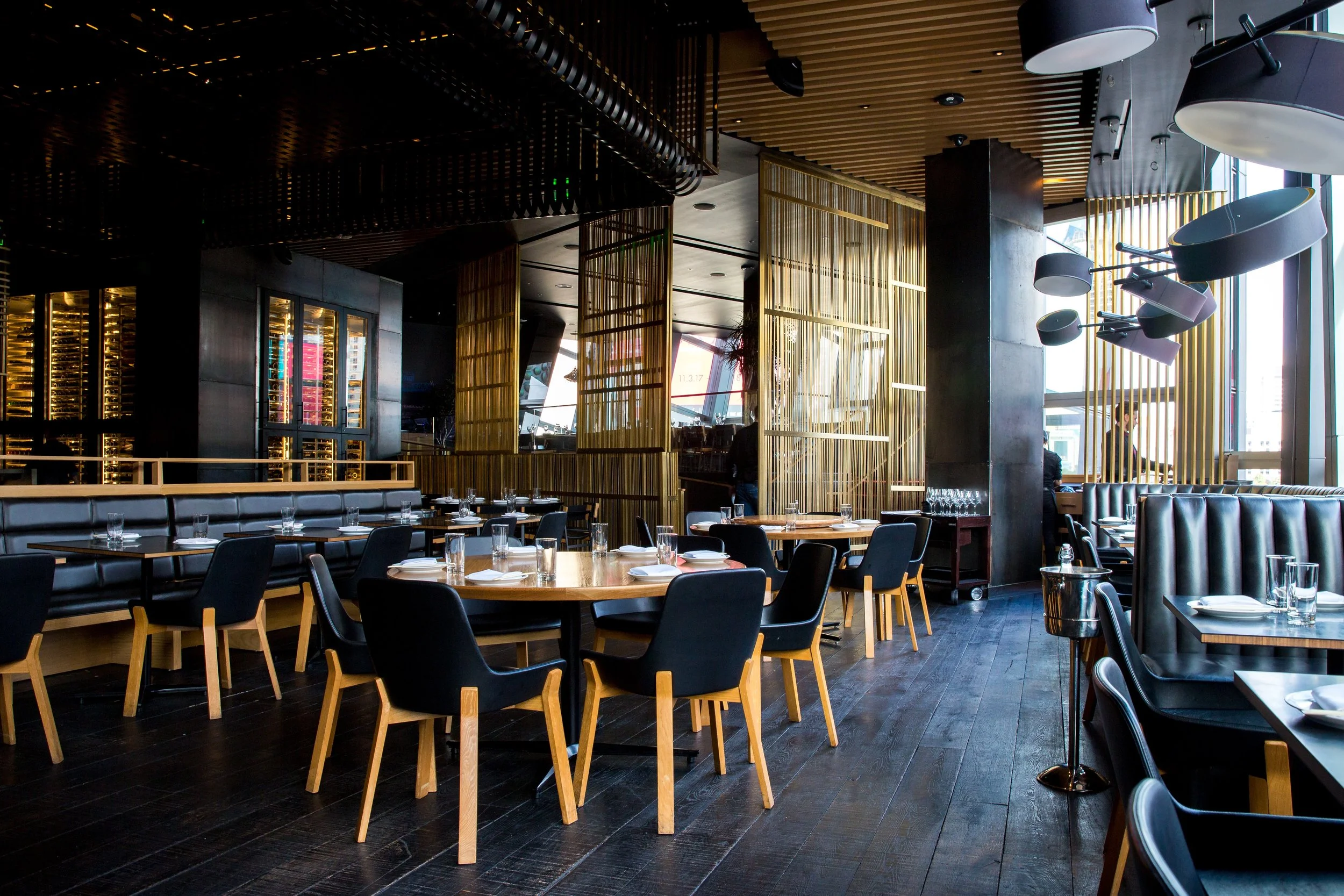
Many restaurant owners don't realize how toxic polluted air can be, especially for employees.
Indoor air quality is a critical, yet sometimes overlooked, aspect of running a successful restaurant. The air inside a restaurant is affected by a unique combination of factors—cooking fumes, cleaning chemicals, high occupancy, and fluctuating humidity—all of which can impact the health and comfort of staff and guests. Poor air quality can lead to health complaints, reduced productivity, and even deter customers from returning. Fortunately, proven strategies and technologies are available to help restaurant owners create a safer, cleaner, and more inviting indoor environment.
Why indoor air quality matters in restaurants
Restaurants face specific air quality challenges. Cooking processes release smoke, grease, and particulate matter into the air. Gas stoves and ovens emit nitrogen dioxide and carbon monoxide. Cleaning products can introduce volatile organic compounds (VOCs). High occupancy levels and poor ventilation can cause carbon dioxide (CO2) to build up, leading to discomfort, headaches, or fatigue among staff and guests. All these factors make it essential for restaurant owners to prioritize indoor air quality (IAQ) as part of their operations.
Key strategies for improving restaurant air quality
Improve ventilation
Effective ventilation is the foundation of good IAQ in any restaurant. A well-designed ventilation system removes airborne pollutants, controls humidity, and brings fresh outdoor air. In the kitchen, high-efficiency range hoods and exhaust fans are essential for capturing smoke, grease, and cooking odors before they spread to dining areas. Make-up air units replace the exhausted air with filtered outdoor air, maintaining a balanced and comfortable indoor environment.
In dining areas, increasing the number of air exchanges per hour helps dilute contaminants and ensures a steady supply of fresh air. When weather permits, opening windows and doors further improves air circulation. Ceiling fans and strategically placed portable fans can also help move air and reduce stagnant zones, but they should be kept clean to prevent the spread of dust and grease.
Prioritize filtration
Filtration is another crucial component of restaurant air quality. The HVAC system should be equipped with high-quality air filters—ideally with a MERV (Minimum Efficiency Reporting Value) rating of 13 or higher, or even HEPA filters where possible. These filters can capture fine particles, allergens, and many airborne pathogens. Regularly replacing filters is essential, as clogged filters restrict airflow and allow pollutants to recirculate.
Specialized filters in kitchen exhaust hoods and ductwork are designed to capture grease and smoke. To maintain their effectiveness, these filters should be cleaned or replaced according to manufacturer guidelines.
Invest in air purification
Air purification technologies can provide extra protection, especially in high-traffic or high-contamination areas. Portable air purifiers with HEPA filters, activated carbon, and UV-C sterilization can remove particulates, neutralize odors, and inactivate bacteria and viruses. Some commercial-grade systems integrate multiple filtration stages and can be installed as standalone units or connected to the existing HVAC system.
When selecting an air purifier, consider space size, the Clean Air Delivery Rate (CADR), and the number of air changes per hour (ACH) the unit can provide. For kitchens, choose models designed to handle grease, smoke, and high temperatures.
Monitor indoor air quality
Continuous monitoring is one of the most effective ways to maintain a healthy IAQ. Modern indoor air quality monitors track key parameters such as particulate matter (PM), CO2, VOCs, temperature, humidity, and even carbon monoxide. These devices provide real-time data and send instant alerts if levels exceed safe thresholds, allowing staff to take immediate action.
Many IAQ monitors are wireless, easy to install, and can be integrated with building management systems or accessed remotely via apps. By monitoring trends over time, restaurant owners can identify problem areas, optimize ventilation, and schedule maintenance before issues become serious.
Control humidity
Maintaining optimal humidity levels (generally between 30% and 50%) is essential for comfort and health. High humidity can promote mold growth and make the restaurant feel stuffy, while low humidity can cause dryness and discomfort. Dehumidifiers or humidifiers can be used as needed, and proper ventilation will also help regulate moisture levels.
Use environment-friendly cleaning supplies
Cleaning is essential in any restaurant, but harsh chemicals can introduce VOCs and other pollutants into the air. Switching to natural, non-toxic, or low-VOC cleaning products helps minimize these emissions and reduces the risk of respiratory issues for staff and guests. Regular cleaning of kitchen hoods, vents, and ductwork is also necessary to prevent the buildup of grease and contaminants.
Schedule regular maintenance
Maintaining all HVAC and ventilation equipment is vital for maintaining good air quality. This includes cleaning and replacing filters, inspecting ductwork, checking for leaks, and ensuring exhaust fans and make-up air units function properly. Depending on usage, grease filters and hood systems in kitchens may require daily, weekly, or monthly cleaning.
Consider advanced air quality solutions
Some restaurants may benefit from additional technologies such as:
Bipolar ionization, which releases ions that neutralize airborne pathogens and VOCs.
UV-C light systems installed in air handlers or upper-room fixtures to inactivate bacteria and viruses.
Carbon filtration for targeted odor and gas removal.
These solutions can be tailored to each restaurant's unique needs and are best selected by a professional HVAC or IAQ specialist.
Educate staff and communicate with guests
Staff should be trained on the importance of air quality and how to operate and maintain IAQ equipment. Posting real-time air quality data in public areas can reassure guests and demonstrate a commitment to their health and safety. Some air quality monitors offer dashboard displays or QR codes that guests can scan to view current IAQ conditions.
Seek professional assistance
Improving restaurant air quality often requires a customized approach. Professional HVAC and IAQ consultants can assess your current systems, recommend upgrades or modifications, and help you select the right combination of ventilation, filtration, and purification technologies. They can also ensure your restaurant meets regulatory requirements and industry standards for air quality and occupational safety.
The benefits of better air quality
Investing in indoor air quality is not just about compliance—it’s about creating a positive experience for everyone who walks through your doors. Clean air leads to:
Healthier, more productive staff with fewer sick days
Greater comfort and satisfaction for guests
Reduced odors and lingering cooking smells
Lower risk of airborne disease transmission
Compliance with health and safety regulations
Enhanced reputation and customer loyalty
Restaurant air quality is vital to your business’s success and reputation. By focusing on ventilation, filtration, purification, monitoring, and regular maintenance, you can provide a safer, healthier, and more enjoyable environment for staff and guests. For the best results, partner with experienced professionals to help you implement solutions for your unique space. Clean air is as essential to your restaurant as great food and service—make it a top priority for your business.
Above and Beyond Air Conditioning & Heating offers commercial air conditioning and heating solutions to San Antonio, TX, business owners to maintain an ideal indoor environment. We also have expertise in providing duct installation and sealing, thermostats, and indoor air quality solutions. Call us at (210) 761-7747.
