
Guide to Evaporator Coil Cleaning
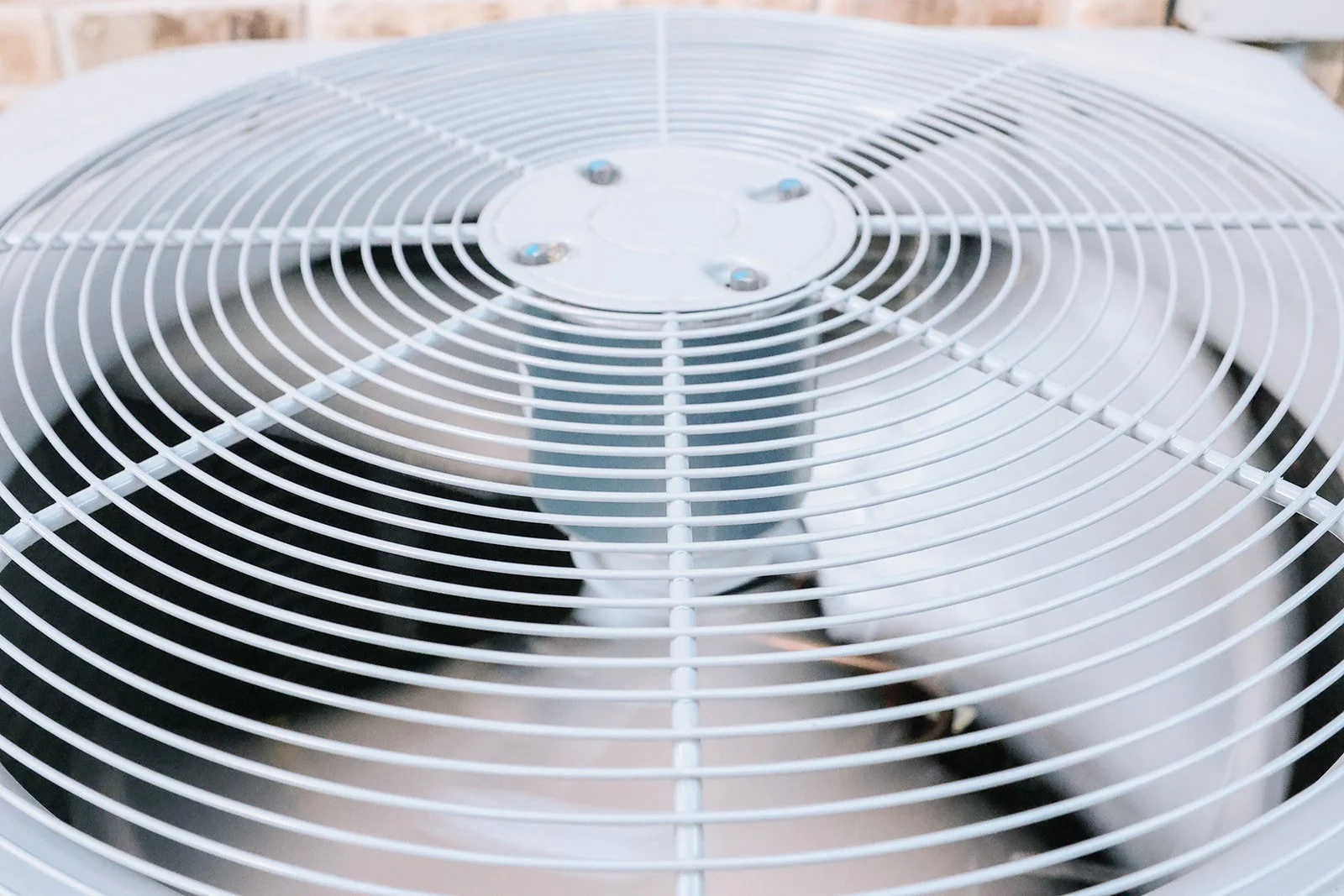
The primary function of a system’s evaporator coils is to remove heat from the air inside the home.
The evaporator coil is critical for the air conditioning system, as it helps remove heat from the indoor air and ensuring your home stays cool and comfortable. Despite its importance, the evaporator coil is often overlooked during routine maintenance, leading to many problems, including decreased efficiency and system breakdowns. Regular cleaning and maintenance of this coil are essential for optimal performance and HVAC system's longevity.
Why evaporator coil maintenance matters
The evaporator coils absorb heat from the indoor air and transfer it outside via the condenser coil. These coils are typically made of copper and encased in aluminum fins, allowing for efficient heat exchange. When the coils are clean, your air conditioner runs efficiently, keeping energy costs down and providing consistent cooling.
However, as the system operates, dust, dirt, pollen, and other debris can accumulate on the moist surface of the evaporator coil. Over time, this buildup acts as an insulating layer, making it harder for the coil to absorb heat. This reduces the efficiency of your air conditioner and can lead to higher energy bills, increased wear on system components, and even ice buildup on the coil. A dirty coil may cause the system to overheat or shut down entirely in severe cases.
How often should you clean the evaporator coil?
The frequency of cleaning depends on usage, indoor air quality, and whether you have pets or live in a dusty environment. Generally, it’s a good idea to have your evaporator coil inspected and cleaned yearly, ideally before the cooling season starts. More frequent cleaning—every three to six months—may be necessary in homes with high dust or pet dander.
Signs of a dirty evaporator coil
Be on the lookout for these common indicators that your evaporator coil may need cleaning:
Reduced cooling efficiency or uneven temperatures
Higher than normal energy bills
Ice buildup on the coil or refrigerant lines
Unusual noises from the air handler
Increased humidity or musty odors
If you notice any of these symptoms, it’s time to schedule a coil inspection and cleaning.
Basic steps for cleaning evaporator coils
Cleaning the evaporator coil can be straightforward if the buildup is minor. Here’s a general guide to what’s involved:
Turn off the power
Safety first—always turn off your HVAC system at the breaker panel before beginning any maintenance. This protects both you and the equipment
Locate the evaporator coil
The evaporator coil is usually housed inside the air handler, which may be in your attic, basement, or utility closet. Remove the access panel by unscrewing the fasteners. Keep screws in a safe place and consider taking a photo for reference when reassembling.
Inspect and remove loose debris
Use a soft nylon brush or a vacuum having a brush attachment to remove loose dirt, dust, and pet hair from the coil’s surface. Ensure not to bend the delicate aluminum fins.
Apply coil cleaner
Spray a commercial foaming coil cleaner evenly over the coil. These cleaners can break down grime and are often no-rinse, meaning the condensation from regular AC operation will help rinse away the residue. Let the cleaner sit for five to ten minutes or as the manufacturer directs.
Rinse if necessary
If the cleaner requires rinsing, gently rinse the coil with a spray bottle filled with water. Avoid using high-pressure water, which can damage the fins and cause leaks. Never use a pressure washer on the indoor coil.
Clean the drain pan and line
While the access panel is open, check the condensate drain pan and line for clogs or mold. Clean out debris and flush the line with water to ensure proper drainage.
Reassemble and restore power
Once the coil and surrounding area are clean and dry, replace the access panel and secure it with screws. Turn the power back on at the breaker panel.
When to call a professional
While homeowners can do light cleaning, there are situations when professional service is necessary:
The coil is heavily soiled or coated with grease or microbial growth
Accessing the coil requires partial disassembly of the air handler or refrigerant lines
The coil is located in a tight or difficult-to-reach space, such as an attic
You notice persistent issues after cleaning, such as ice buildup or reduced cooling
Professional HVAC technicians have the tools, training, and cleaning agents to safely and thoroughly clean evaporator coils, even in challenging situations. They can also inspect for other issues, such as refrigerant leaks, damaged fins, or problems with the air handler.
Best practices for evaporator coil maintenance:
Replace or clean air filters regularly to prevent dust from reaching the coil
Schedule annual HVAC maintenance with a professional technician
Keep the area around the air handler clean and free of debris
Ensure proper airflow by keeping vents and registers open and unobstructed
Heat evaporator disinfection
In addition to cleaning, some situations call for disinfection of the evaporator coil, especially if there is evidence of mold or bacteria. Professional HVAC companies may use specialized disinfectant sprays or UV lights to kill microbial growth and improve indoor air quality.
Benefits of regular evaporator coil cleaning
Improved cooling efficiency and comfort
Lower energy bills
Reduced risk of system breakdowns and expensive repairs
Longer lifespan for your HVAC system
Better indoor air quality and reduced allergens
Evaporator coil cleaning is a vital part of air conditioner maintenance that should not be overlooked. While homeowners can handle basic cleaning in some cases, professional cleaning ensures thorough removal of dirt and debris, protects your system, and keeps your home comfortable all season long. Regular maintenance is the key to efficient, reliable cooling and a healthier indoor environment. If you’re unsure about the condition of your coils or need help with cleaning, contact a trusted HVAC professional for expert service.
The technicians at Above and Beyond Air Conditioning & Heating specializes in fan blade repair or replacement, evaporator coil service, AC drain line cleaning and unclogging, and AC circuit board repair or replacement to restore proper air conditioner functioning. Schedule a service by calling us at (210) 761-7747.
