
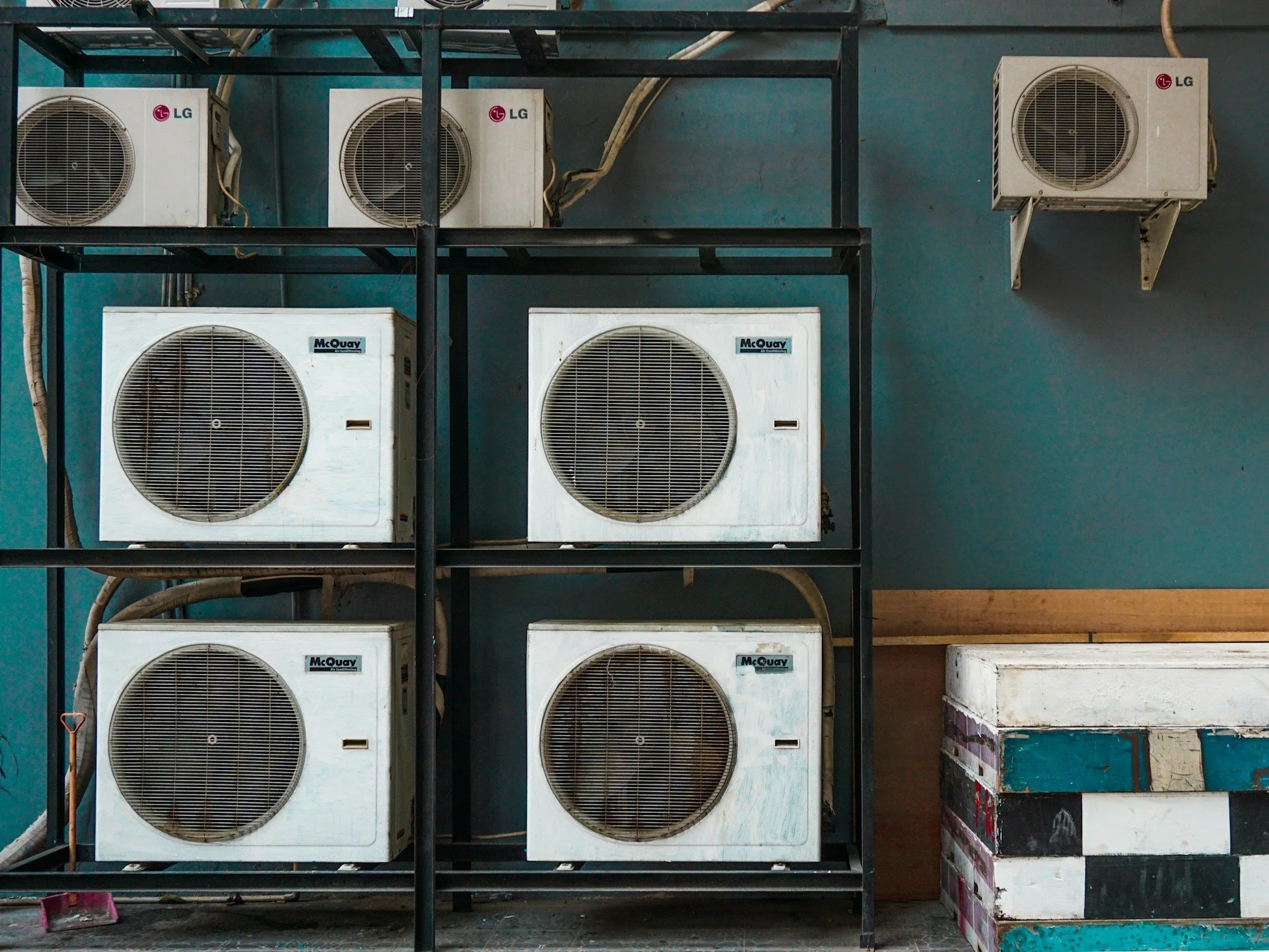
Regularly cleaning and changing air filters extend HVAC system life, reduce costs, and maintain healthy air quality by filtering allergens.
A comfortable and healthy home environment requires something as simple as your air filter. While it may seem like a small component, the air filter plays a critical role in both the performance of your HVAC system and the quality of the air you breathe. Choosing the right filter and keeping it in good condition can extend the life of your system, lower energy costs, and help protect your family from allergens and pollutants. Here’s a comprehensive guide to selecting the best air filter for your needs and keeping it working at its best.
Why clean air filters are essential
Air filters trap dust, pollen, pet dander, mold spores, and other airborne particles to prevent them from circulating through the home. Along with improving indoor air quality, filters protect your HVAC system from larger debris that could cause mechanical damage or even create a fire hazard. A clogged or dirty filter blocks airflow, making your heating and air conditioning system work harder. This increases energy consumption and utility bills and can lead to premature system failures.
Benefits of maintaining your air filter include:
Extending the lifespan of your HVAC system by preventing breakdowns caused by dust and debris.
Lowering energy costs, since a clean filter allows the system to operate efficiently.
Improving air quality by removing allergens and pollutants from the air.
Key factors when choosing the right air filter
With so many options available, it’s important to understand what makes one air filter better suited to your needs than another. Here are the most important factors to consider:
MERV rating
Key factors when choosing the right air filter
With so many options available, it’s essential to understand what makes one air filter better suited to your needs than another. Here are the most important factors to consider:
MERV rating
The Minimum Efficiency Reporting Value (MERV) rates filters based on how well they capture particles of different sizes. Higher MERV rating indicates better efficiency in trapping smaller particles. However, higher MERV filters can also restrict airflow, so it's important to balance filtration needs with your HVAC system’s capabilities.
MERV 1-4: Offers basic filtration, mainly protecting equipment rather than improving air quality.
MERV 5-8: Suitable for most homes, capturing common allergens without significantly restricting airflow.
MERV 9-12: Highly efficient, ideal for homes with allergy sufferers or multiple pets.
MERV 13-16: Used in commercial or medical settings, these filters offer the highest residential filtration but may require system modifications.
Resistance (pressure drop)
Resistance, or pressure drop, refers to how much the filter impedes airflow. Lower resistance is generally preferred, as it ensures better airflow and helps the system run efficiently. If resistance is too high, your system must work harder, increasing wear and energy use.
Dust-holding capacity
This measures how much dust the filter can hold before it needs to be replaced. A higher dust-holding capacity means the filter will last longer between changes, maintaining performance and reducing maintenance frequency. When comparing filters, look for products with similar pressure drop ratings and higher dust-holding capacities.
Dust-spot efficiency
Dust-spot efficiency indicates how well a filter removes large dust particles in controlled test conditions. A higher dust-spot efficiency means better air quality and more effective removal of visible dust.
Filter efficiency
Consider the initial efficiency (how well the filter works when new) and sustained efficiency (how well it performs over its lifespan). Some filters may lose effectiveness as they become loaded with dust, so it’s important to choose a filter that maintains its performance over time.
Compatibility and fit
Ensure the filter is compatible with your HVAC system and fits properly in the filter slot. An ill-fitting filter allows air to bypass the filter media, reducing its effectiveness and potentially allowing debris into your system.
Indoor air quality needs
Think about your household’s specific needs. You may benefit from a higher MERV filter if you have pets, allergies, asthma, or live in an area with high pollution or construction. For general use, a mid-range MERV filter is often sufficient.
Cost
Balance the filter's cost with its expected lifespan and the frequency of replacement. While high-efficiency filters may cost more upfront, they can provide better protection and last longer between changes.
Size and fit
Proper sizing is crucial for effective filtration. Always check your system’s specifications and measure the filter slot to ensure a snug fit. A filter that is too small or too large can compromise air quality and system performance.
Portable air filters: Tips for choosing, using, and maintaining them
Portable air filters, or air purifiers, are a great supplement to your HVAC system, especially in rooms requiring extra filtration. When choosing a portable air filter, consider the following:
Filter type: HEPA filters are the gold standard for removing small particles. Some units also include activated carbon for odor and gas removal.
Room size: Match the purifier’s capacity to the size of the room for optimal performance.
Maintenance: Check how often the filter needs to be replaced and factor in the cost.
Noise level: Choose a unit that operates quietly if it will be used in bedrooms or living areas.
To get the most out of your portable air filter, place it in a central location, keep doors and windows closed, and follow the manufacturer’s maintenance guidelines.
Maintenance tips to extend the life of your filter
Regular maintenance is critical to getting the best performance from the air filter. Here are some tips to help you remember and extend its life:
Write the last replacement or cleaning date directly on the filter.
Use a calendar or set phone reminders for regular checks.
Check the filter monthly, especially during peak heating or cooling seasons.
Replace or clean the filter when it appears dirty, even if it hasn’t reached the recommended interval.
How often to change your air filter
The filter changing frequency depends on the MERV rating, your home’s environment, and personal needs:
Every 3 to 6 months for vacation homes or homes with no pets or allergies.
Every 90 days in an average home without pets.
Every 60 days if you have one pet.
Every 30 to 45 days, if you have multiple pets or allergy sufferers in the home.
Other factors, such as nearby construction or high outdoor pollution, may require more frequent changes. When in doubt, check your filter monthly and replace it when it looks dirty.
Choosing and maintaining the right air filter is one of the simplest and most effective ways to protect your HVAC system, save energy costs, and ensure healthy indoor air quality. You can find a filter that offers the best balance of performance and value by considering factors like MERV rating, resistance, dust-holding capacity, and your household’s unique needs. Regular maintenance, including timely replacement and cleaning, will keep your system running efficiently and your home’s air fresh and clean. If you’re unsure which filter is best for your home or have questions about maintenance, consult a professional HVAC technician for expert guidance.
Call Above and Beyond Air Conditioning & Heating at (210) 761-7747 for any AC installation, AC maintenance, AC replacement, AC tuneup, and condenser coil cleaning needs in San Antonio, TX. We are a licensed company ensuring top-quality solutions.
