
A Simple Guide to Choosing the Proper Air Conditioning Unit
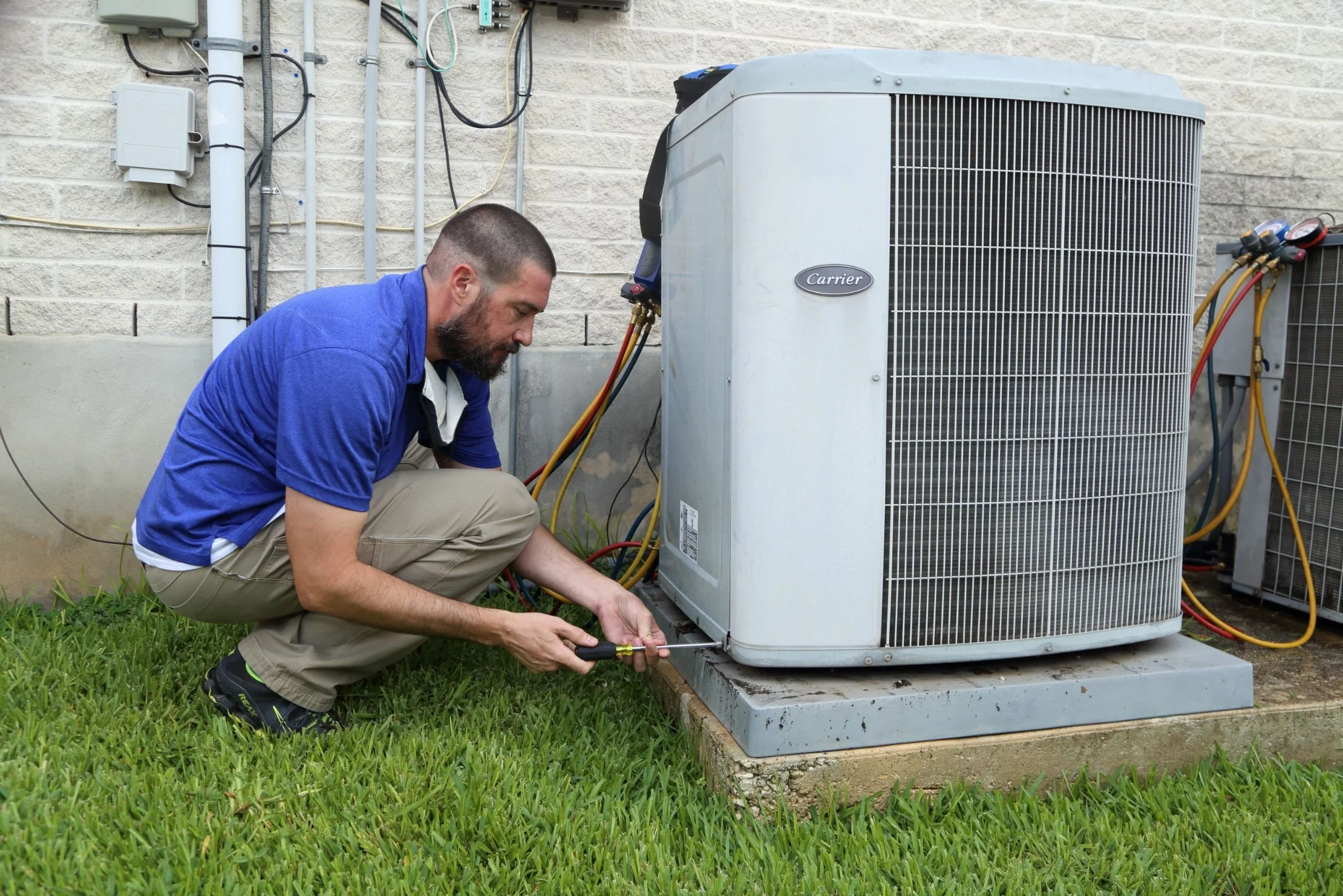
With temperatures rising slowly, now is the best time to consider replacing the old, outdated, and inefficient air conditioning unit.
With temperatures rising, there’s no better time to consider replacing your old, inefficient air conditioning unit. Selecting the right air conditioner for your home is not just about comfort during the hottest days; it’s also about maximizing energy efficiency, improving indoor air quality, and ensuring your investment pays off for years. As professional HVAC service providers, we know the process can feel overwhelming, with many options and technical details to consider. This guide will walk you through the most critical factors to help you choose the best air conditioning unit for your needs and budget.
Understanding your budget
Before buying an air conditioner, it’s essential to establish a budget. Air conditioning systems come in various prices, from affordable window units to high-end central air systems and ductless mini-splits. Your budget will help narrow the choices and determine which type of system makes the most sense for your home. Remember, while a more efficient or feature-rich unit may cost more upfront, it can save money in the long run through lower energy bills and fewer repairs.
Types of air conditioning systems
There are several types of air conditioning units available, each with its own advantages and ideal applications:
Window and wall-mounted ACs: These are compact units designed to cool a single room. They are affordable, easy to install, and suitable for apartments or smaller spaces. Window ACs are mounted on a window sill, while wall-mounted units are installed directly into an exterior wall. While convenient, they can be noisier than other options and may not be suitable for rooms with thin walls.
Portable ACs: Portable air conditioners can be moved from room to room, making them a good choice for renters or spaces where permanent installation isn’t possible. However, they tend to be less efficient than window units, take up floor space, and can be more expensive for the cooling power they provide.
Ductless mini-split ACs: These systems comprise an indoor unit and an outdoor compressor. They are perfect for cooling rooms without windows or where ductwork installation is impractical. Mini-splits are quieter, more energy-efficient, and can cool multiple rooms with additional indoor units. They do require professional installation and are typically more expensive upfront.
Central air conditioning: Central AC systems are designed to cool an entire home. They use ductwork to distribute cooled air throughout the house and are controlled by a central thermostat. Central air is the best choice for larger homes or those looking for even, whole-home comfort. Installation is more complex and should always be handled by licensed professionals.
Choosing the right size
One of the most critical aspects of selecting an air conditioner is choosing the right size or capacity for your space. An undersized unit struggles to cool the home, leading to discomfort and higher energy bills. While, an oversized unit cycles on and off too quickly, failing to dehumidify the air and potentially causing uneven temperatures.
The cooling capacity of an air conditioner is measured in British Thermal Units (BTUs) per hour or in tons (one ton equals 12,000 BTU/hr). To determine the right size, measure the room's square footage or area you want to cool. A professional HVAC contractor will perform a Manual J load calculation for central systems, which considers square footage and factors like insulation, window size and orientation, ceiling height, occupancy, and even the local climate.
You can use general guidelines to match BTU capacity to room size for window and portable units. For example, a 150-350 square foot room typically requires a 5,000-8,000 BTU unit, while a 550-1,050 square foot space may need a 12,000-18,500 BTU unit. Adjustments should be made for rooms with high sun exposure, kitchens, or spaces that regularly host more people.
Energy efficiency matters
Energy efficiency is critical for any air conditioning purchase. Efficient units consume less electricity, which translates to reduction in utility bills and a lower environmental impact. Consider models with the Energy Star label, indicating that they meet or exceed federal efficiency standards.
The Seasonal Energy Efficiency Ratio (SEER) is the most common measure for central air conditioners. The higher the SEER rating, the more efficient the unit. Current regulations require new units to have a SEER rating of at least 14, but many high-efficiency models exceed this. Check the Energy Efficiency Ratio (EER) or Combined Energy Efficiency Ratio (CEER) for window and portable units. Investing in a higher-efficiency unit may cost more upfront but will pay off over time in energy savings.
Additional features to consider
Modern air conditioners come with a variety of features that enhance comfort and convenience:
Programmable thermostats and smart controls allow you to set schedules or adjust settings remotely via smartphone.
Variable-speed compressors and fans provide more precise temperature control and quieter operation.
Air purifying filters help improve indoor air quality by capturing dust, pollen, and other allergens.
Sleep and eco modes optimize energy use during nighttime or periods of low activity.
Dehumidification settings are helpful in humid climates.
Consider which features matter most to you and your family, and factor them into your decision.
Noise levels
Noise can be significant, especially in bedrooms, offices, or other quiet spaces. Window and portable units tend to be louder than ductless mini-splits or central systems. Look for units with lower decibel (dB) ratings if noise is a concern. Many high-quality models are designed for quiet operation, making them suitable for any room in the house.
Installation and professional guidance
Proper installation ensures optimal performance and efficiency. Even the best air conditioning unit underperforms or develops problems if improperly installed. Professional HVAC installers will ensure your new system is sized accurately, installed to manufacturer specifications, and thoroughly tested before use. They can also advise on the best placement for wall-mounted units, ensure your ductwork is in good condition, and help you understand how to operate and maintain your new system.
Local air conditioning contractors can also provide valuable insight into which brands and models perform best in your area’s climate. They can recommend options that fit the budget and offer ongoing maintenance plans to keep the system running smoothly.
Maintenance and long-term care
Air conditioning systems require regular maintenance for efficient and reliable operation. This includes changing or cleaning filters, checking refrigerant levels, cleaning coils, and inspecting electrical components. Many HVAC companies offer maintenance plans, including annual tune-ups and priority service. Investing in routine maintenance can extend the unit's life, prevent costly repairs, and ensure consistent comfort.
Choosing a wall-mounted air conditioner
Wall-mounted AC units, including ductless mini-splits, have become increasingly popular for their sleek design, quiet operation, and targeted climate control. When selecting a wall-mounted unit, consider the following:
Cooling capacity: Match the unit’s BTU rating to the size and layout of the room.
Energy efficiency: Look for high SEER or EER ratings and inverter-driven compressors for optimal performance.
Room layout: Consider ceiling height, sun exposure, and use of the room.
Noise level: Choose a model with a low dB rating for bedrooms or quiet spaces.
Professional installation: Ensure a qualified technician installs your unit to guarantee performance and warranty coverage.
The importance of professional installation
A professional installation goes beyond just setting up your new air conditioner. Experienced technicians will:
Remove any old equipment and dispose of it properly.
Perform a detailed load calculation to determine the correct size.
Select the best equipment for your needs and budget.
Install all components, including thermostats and accessories.
Charge and test the system to ensure proper operation.
Explain how to use and maintain your new AC for maximum efficiency.
Professional installers offer work and the equipment warranties, giving you peace of mind and protection against unexpected issues.
Making your final decision
Choosing the right air conditioner involves balancing your comfort, budget, and efficiency goals. Compare different types of units, consider the specific needs of your home, and don’t hesitate to consult with a local air conditioning contractor for expert advice. A professional assessment can help you avoid costly mistakes and ensure your new system delivers years of reliable, efficient cooling.
Selecting the proper air conditioning unit is an essential investment in your home’s comfort and value. By considering factors like budget, type, size, efficiency, features, and professional installation, you can make an informed choice that meets your needs today and into the future. Contact a trusted local HVAC professional for guidance and support if you’re ready to upgrade your cooling system or need help navigating your options. With the right air conditioner and expert installation, you’ll enjoy a cooler, more comfortable home all summer.
Call Above and Beyond Air Conditioning & Heating at (210) 761-7747 for any AC installation, AC maintenance, AC replacement, AC tuneup, and condenser coil cleaning needs in San Antonio, TX. We are a licensed company ensuring top-quality solutions.
